




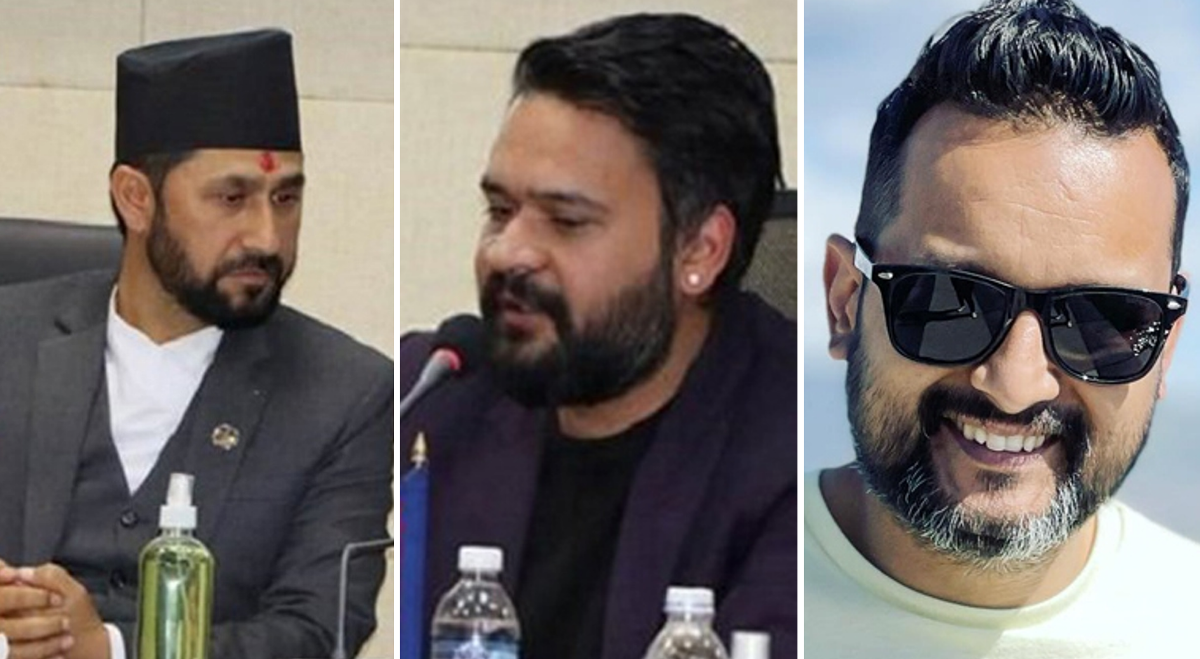
KATHMANDU: A meeting between Rastriya Swatantra Party (RSP) Chair Rabi Lamichhane and Kathmandu Metropolitan City Mayor Balen Shah has generated wide discussion in Nepal’s political circles, with growing speculation that the two figures may be exploring future political cooperation.
The meeting took place at the Kamalpokhari residence of former lawmaker and RSP central committee member Asim Shah. It came at a time when Lamichhane has been increasingly visible in politics following his release from custody, fueling curiosity about his next political moves and possible alliances ahead of upcoming elections.
Following the meeting, Asim Shah took to social media, describing the interaction as a pleasant beginning of a story. He characterized the meeting as a reunion of two brothers and claimed it represented not merely a personal interaction but a convergence of hope the country has been searching for. He also congratulated the Nepali people, further intensifying political interpretations of the encounter.
While Shah declined to disclose the details of the discussions, he maintained that the meeting held broader significance. “Ultimately, the story has had a positive beginning. This is not about individuals alone; it is about the hope the country needs,” he said.
According to those familiar with the meeting, Lamichhane and Mayor Shah spent nearly five hours together. The meeting began around 8 pm on Monday and concluded at approximately 1 am. RSP Vice-Chair DP Aryal was also present during the discussions, while Kumar Ben represented Mayor Shah’s side.
Despite the length of the meeting, neither RSP nor Mayor Shah’s team has officially disclosed the agenda or outcomes. However, images and videos circulating on social media showing Lamichhane and Shah leaving the venue in the same vehicle have further fueled public and political interest.
Asim Shah, the host of the meeting, is a proportional representation lawmaker from the dissolved House of Representatives and a prominent RSP leader. A former film director, Shah is also known as a notable political figure from the Muslim community.
The meeting has been widely interpreted as politically significant, particularly amid growing public interest in alternative political forces and leadership outside traditional party structures. While both Lamichhane and Shah have remained silent on the substance of their discussions, the timing and symbolism of the meeting have ensured it remains a subject of intense debate in Nepal’s evolving political landscape.



Comment