





BELEM: Negotiations at the COP30 climate summit in Belem, Brazil, have run into overtime as delegates remain deadlocked over the inclusion of fossil fuels in the final agreement. The summit, originally scheduled to conclude Friday evening, is now set to spill over into the weekend with no deal reached.
Delegates from nearly 200 countries engaged in closed-door discussions Saturday evening, focusing on adjustments to three key contentious issues: reducing fossil fuel consumption, financial aid from developed nations to developing countries, and tensions over carbon border taxes. Observers say these disputes have slowed efforts to secure a unified agreement to accelerate global emissions reductions.
A new draft agreement, unveiled earlier this week by host Brazil, omitted references to both “fossil fuels” and the “roadmap” for transitioning away from them, despite President Luiz Inacio Lula da Silva’s earlier public support for such a plan. European Union climate commissioner Wopke Hoekstra criticized the draft as “unacceptable,” warning that the summit could end without a deal.
“Clearly, what is now on the table is no deal,” Hoekstra told reporters. Some EU member states are reportedly considering walking out, fearing blame if talks collapse.
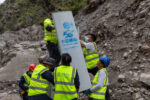
The conference has faced additional disruptions, including a fire that damaged the venue’s roof and two Indigenous-led protests earlier in the week.
Calls for consensus
Thirty-six countries, including developed nations, emerging economies, and small island states, have demanded a plan to phase out oil, coal, and gas, threatening to reject any agreement that does not address fossil fuels. France’s ecological transition minister Monique Barbut pointed to opposition from oil-rich Russia and Saudi Arabia, as well as coal producer India and several emerging countries.
Some observers argue that developing nations need a careful approach to maintain energy security and ensure a just transition for workers dependent on fossil fuel industries. “To assume that one side cares about the planet and the other does not does grievous harm to negotiations,” said Arunabha Ghosh, a special envoy for South Asia at the talks.
Brazilian diplomat Andre Correa do Lago, head of COP30, said the impasse highlights the challenges of international cooperation on climate change.
Financial aid and trade disputes
The draft agreement also emphasizes the need to “manyfold” increase financial support for developing nations and triple adaptation finance by 2030 compared to 2025 levels. Disagreements over funding levels and trade measures, such as Europe’s Carbon Border Adjustment Mechanism, have added further complications to the negotiations.
“The EU faces an earlier tripling of adaptation finance than they are comfortable with, and in exchange, they got nothing,” said Jake Schmidt, senior strategic director at the Natural Resources Defense Council.
The inclusion of trade measures in the draft text reflects concerns that carbon taxes could impact developing nations’ export revenues, creating additional friction among delegates.
As talks continue, COP30 faces the urgent task of reconciling these differences to produce a deal capable of advancing global climate action in a fragmented international landscape.




Comment