




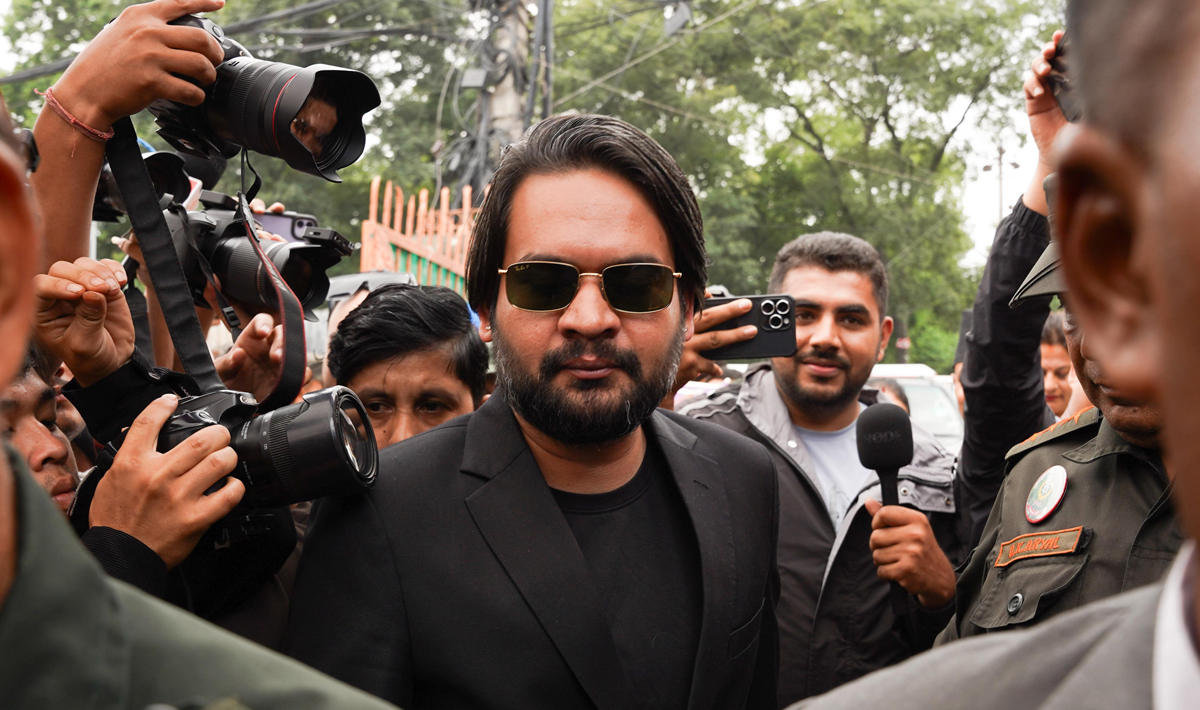
KATHMANDU: After three years in office, Kathmandu Mayor Balen Shah’s leadership can finally be assessed in numbers.
Elected in 2022 as an independent candidate with promises of clean governance, ambitious development, and a break from party politics, Shah has now introduced and attempted to implement three successive budgets.
The combined cost of development under his tenure so far exceeds Rs 34.5 billion, but the bigger question remains: how much of that has actually translated into meaningful change?
In the fiscal years 2022/23, 2023/24 and 2024/25, Kathmandu Metropolitan City allocated a total of Rs 72.87 billion combined. However, only around 47 percent of that amount, roughly NPR 34.56 billion, was actually spent.
Budget absorption improved each year, from just 40.22 percent in the first year to over 52 percent in the most recent fiscal year, marking a steady administrative learning curve but also exposing ongoing implementation hurdles.
The largest share of Kathmandu’s annual budgets during Shah’s term has consistently gone to infrastructure development. Each year, over Rs 11 billion was earmarked for roads, housing, urban development, heritage reconstruction, and digital infrastructure.
Yet, in the first year of his tenure, less than 30 percent of the infrastructure budget was used. That figure rose to 46 percent in the second year and crossed 52 percent in the third year. These figures show progress but also highlight that even the most vital development works continue to face chronic delays and institutional bottlenecks.
Other sectors such as social development, including health, education, sanitation, and culture, have fared slightly better in terms of spending efficiency. The city spent around 60 percent of its social development budget in the second year and nearly 48 percent in the third.
Meanwhile, office operations and administrative costs remained consistently high in both allocation and utilization. In fact, the administrative budget was the most efficiently used in all three years, with over 70 percent of it spent annually, a point critics raise when questioning whether Kathmandu’s funds are flowing more toward bureaucracy than to transformative urban change.
Governance-related sectors, such as transparency, disaster preparedness, monitoring, and rule of law, consistently recorded some of the lowest spending rates. In the third year, for instance, less than 30 percent of the allocated governance budget was spent. This suggests a gap between the mayor’s rhetoric of systemic reform and the ground reality of bureaucratic inertia.
Despite Shah popular appeal and media presence, his tenure has not been free of institutional challenges. The Kathmandu Tower controversy and the months-long vacancy in the Chief Administrative Officer position significantly disrupted municipal functioning in the last fiscal year.
Yet paradoxically, that year still recorded the highest spending under his rule, over Rs 13 billion, a figure that represents the best budget execution rate Kathmandu has seen in the past seven years.
While Shah’s supporters hail the improvement in financial execution and long-term planning under his administration, critics argue that the pace of visible transformation remains sluggish, particularly in waste management, public transport, and heritage restoration.
Three years and more than Rs 34 billion later, the city’s core problems, from flooding to unmanaged urban growth, remain far from resolved.
With the fourth budget now finally passed after political tussles and delays, the mayor’s next challenge is not just to allocate but to deliver.
How Shah spends in this final stretch of his term may ultimately define whether his brand of independent leadership was a promising experiment or just an expensive one.





Comment