




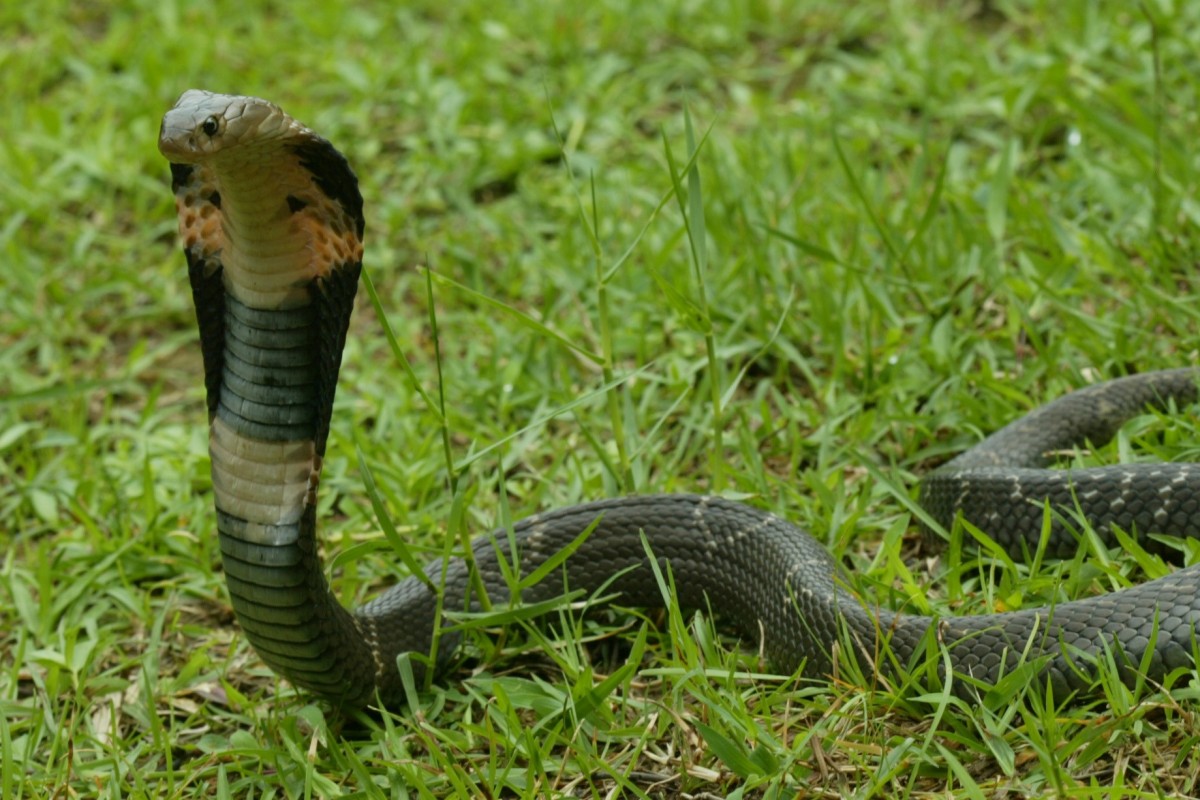
MAHOTTARI: Mahottari has seen a sharp rise in snakebite incidents since the onset of the monsoon season.
According to the Snakebite Treatment Center in Bardibas, 25 snakebite cases were reported within the first week of Ashar alone.
Bhola Chaudhary, a technical chief affiliated with the Nepali Army’s medical team at the center, noted that snakebite cases typically surge in the Terai during the summer and rainy seasons.
“Snakes emerge from their burrows when temperatures rise and rainfall begins. During summer, they come out seeking fresh air, and during the monsoon, their dens often flood—both situations increase the risk of encounters with humans,” Chaudhary explained.
The Center expects an even higher number of snakebite cases in Shrawan, when rainfall is typically at its peak. Chaudhary urged the public to begin taking precautions as early as Baisakh, given the combined effects of heat and rainfall forcing snakes out of hiding.
Since its establishment in 2071 BS, the Bardibas center has treated over 31,000 patients. This year alone, 160 individuals have received treatment for snakebites—52 in Baisakh and 85 in Jestha, with 65 of those involving venomous snakes.
Founded as a community initiative, the center is staffed by six trained technicians from the Nepal Army. It operates under the management of its board of directors, who oversee the procurement of anti-venom vials and daily operations.
Krishna Devkota, Chairperson of the center’s board, noted a decline in snake populations in Wards 1, 2, 3, and 14 of Bardibas Municipality—areas once notorious for snake infestations.
He attributed the decline to the development of previously abandoned lands and widespread housing construction, which have reduced snake habitats over the past decade.




Comment