




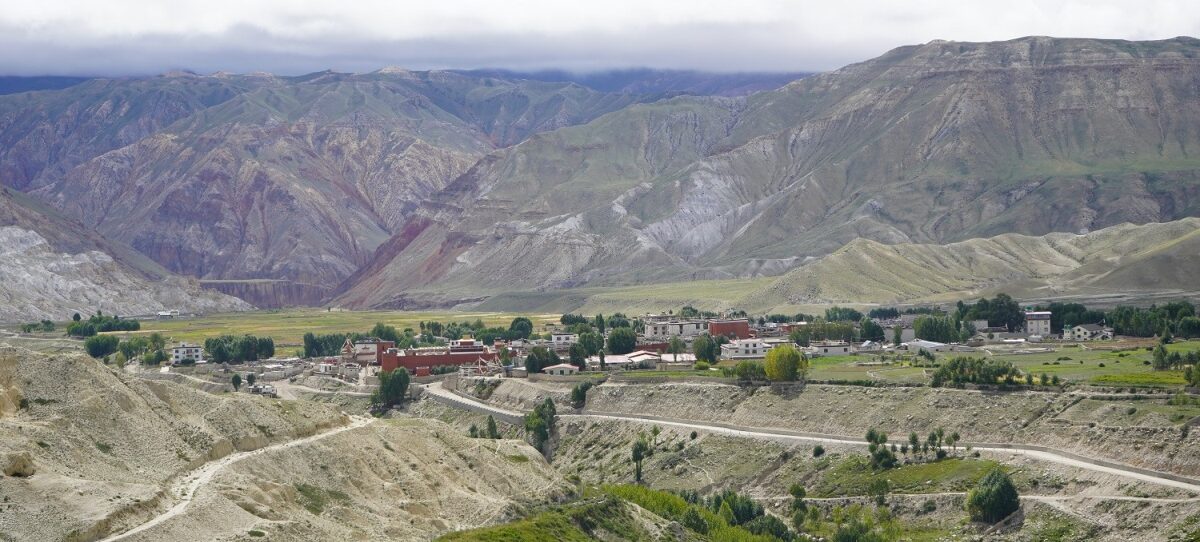
MUSTANG: The Annapurna Conservation Area Project (ACAP), under the National Trust for Nature Conservation (NTNC), has provided compensation to livestock farmers affected by snow leopard attacks in Upper Mustang.
According to Umesh Paudel, chief of the ACAP Lomanthang field office, a total of Rs 1.135 million has been distributed as relief for 125 livestock killed by snow leopards during the current fiscal year 2024/25.
However, only 43 percent of the total estimated damage has been paid so far. Another Rs 2.694 million, or 57 percent, remains to be disbursed.
In the previous fiscal year (2023/24), 22 livestock were reported lost due to snow leopard attacks, and relief worth Rs 418,000 was distributed. For the current fiscal year, compensation for an additional 103 livestock is pending, amounting to Rs 2.276 million.
Despite repeated requests from the ACAP office, the remaining funds are yet to be handed over to the affected community. Paudel said the process to deliver the outstanding payments is ongoing and that compensation for other wildlife-related losses will also be disbursed in the coming months.
To streamline and expedite support, ACAP plans to set up a Human-Wildlife Conflict Relief Fund starting this fiscal year.
“Even if the government is unable to immediately provide relief, this fund will help ensure that affected farmers receive timely assistance,” Paudel added.
According to the Wildlife Damage Compensation Guidelines, 2080, compensation is provided based on a fixed scale: up to Rs 10,000 per sheep or goat, and Rs 60,000 per horse. The relief process is implemented via ACAP with funds channeled through the Department of National Parks and Wildlife Conservation.
Snow leopard attacks in the higher regions and black bear incidents in the lower Mustang region have increasingly affected local farmers. The growing conflict is attributed to wildlife moving closer to human settlements due to a lack of natural prey in alpine pastures.
ACAP has continued to provide relief following due procedures and is actively working to address the growing human-wildlife conflict in the region.




Comment