




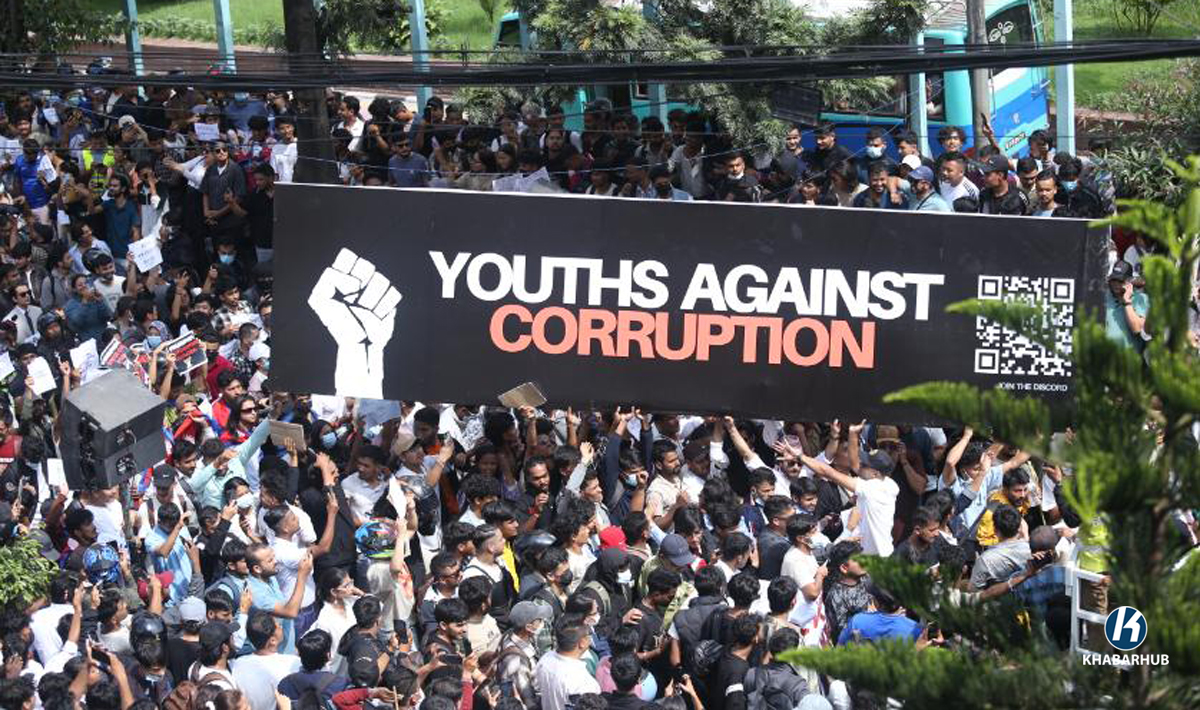
KATHMANDU: As Nepal’s youth-led Gen-Z protest captured national attention earlier this month, fundraising efforts quickly moved online. Platforms such as GoFundMe and other digital channels began receiving donations from both inside Nepal and the Nepali diaspora abroad, with the stated goal of supporting medical treatment for the injured, providing relief to bereaved families, and repairing damaged infrastructure.
The financial response was swift, but the management of these funds has raised pressing concerns. Donations have flowed through a patchwork of initiatives, some organized by institutions, others by individuals or loosely formed groups. While a handful of organizers have shared updates through social media, the majority of campaigns have not disclosed how funds will be distributed.
This lack of clarity has left victims and their families in limbo. Despite widespread appeals for support, it remains uncertain how and when financial assistance will reach those directly affected by the protests and the deadly state crackdown that claimed 74 lives nationwide.
Observers say the transparency gap poses a serious risk to the credibility of the movement. “The intent may be genuine, but without a clear system of accountability, there is always the possibility of confusion, duplication, or even misuse of donations,” one civic activist told Khabarhub.
While some groups have indicated plans to coordinate with established non-profits to channel aid, others have operated independently, making tracking nearly impossible. For the diaspora community, which has played a major role in fundraising, the absence of structured reporting has fueled growing questions about whether their contributions are reaching the intended beneficiaries.






Comment