




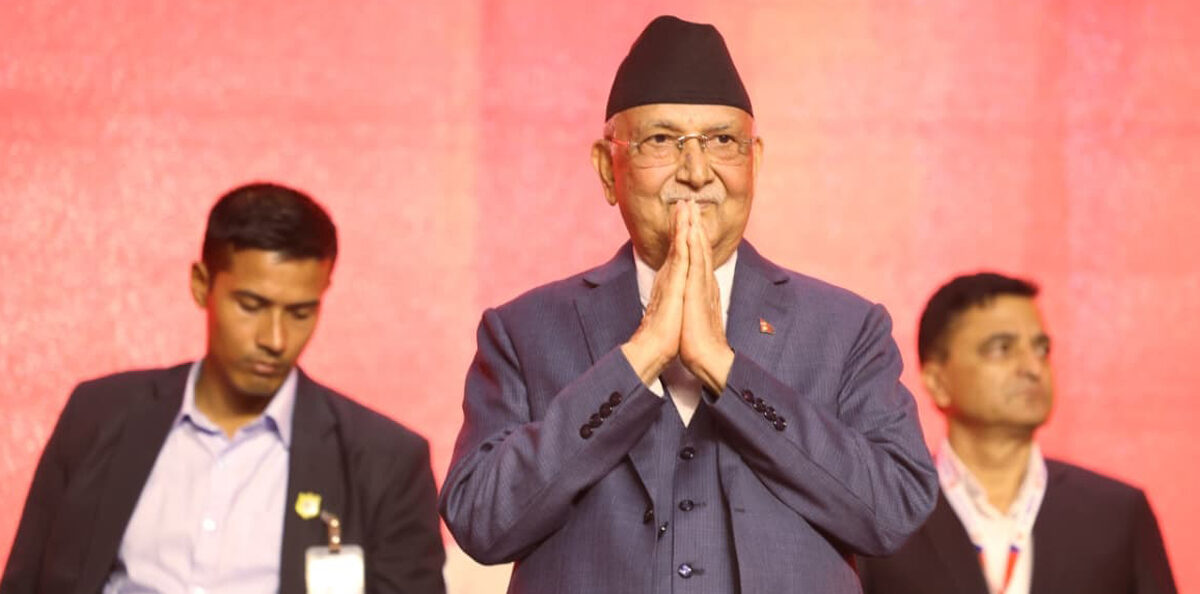
KATHMANDU: The CPN-UML has been thrown into its gravest crisis yet after Chair KP Sharma Oli was forced to resign as prime minister amid a wave of violent Gen-Z protests. Yet despite Oli’s dramatic exit and days of silence in hiding, the party has decided not to immediately seek his replacement.
Oli’s downfall unfolded with startling speed. On September 8, after 19 demonstrators were killed during clashes with security forces, he stubbornly resisted calls to step down, even as Home Minister Ramesh Lekhak offered his resignation. By late that evening, then-Communication Minister Prithvi Subba Gurung told reporters that Oli would not quit.
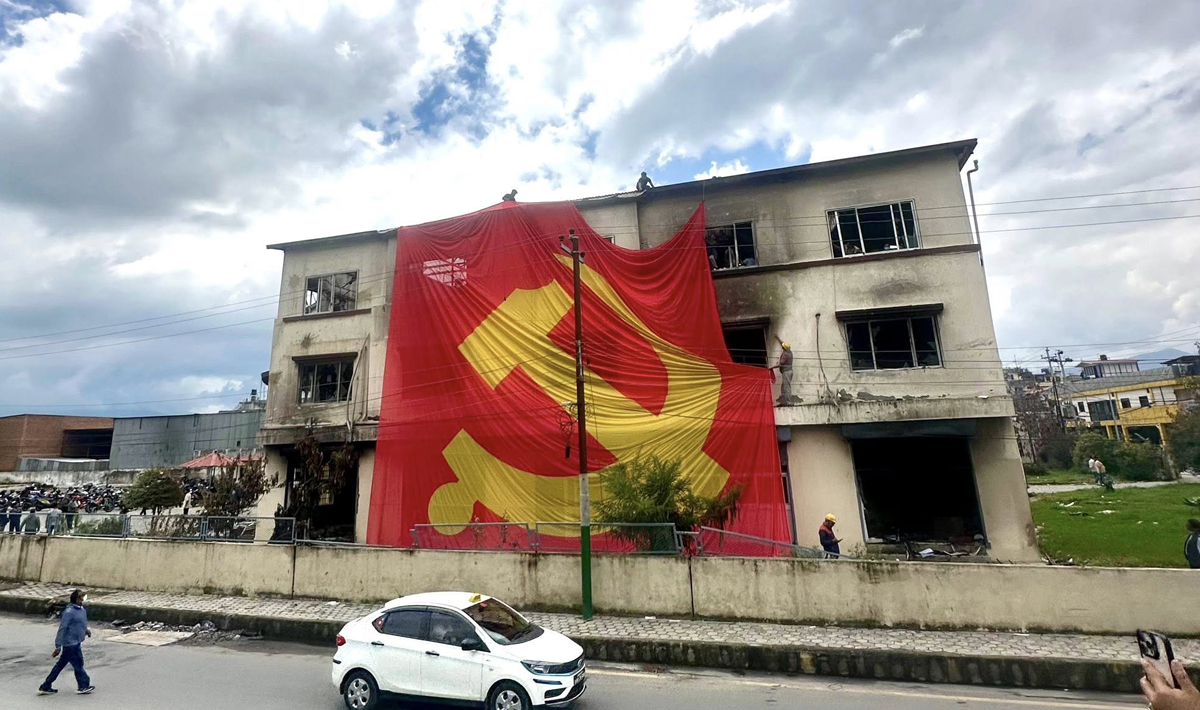
But by the following day, the situation had spiraled out of control. Protesters attacked and destroyed parliament, Singha Durbar, Sheetal Niwas, and scores of government buildings. Dozens of leaders’ homes, including those of Nepali Congress, Maoist and UML figures, were specifically targeted. Oli’s own residences in Bhaktapur, Tehrathum and Jhapa were set ablaze, along with UML’s central office in Chyasal.
By Tuesday afternoon, facing no way forward, Oli resigned and was whisked away from Baluwatar in an army helicopter to an undisclosed secure location, possibly Shivapuri Barracks. He has not been seen or heard publicly in six days.
The silence has fueled speculation, but UML insiders admit only a handful of top leaders, including General Secretary Shankar Pokharel, know his whereabouts. Oli and Home Minister Lekhak had been prime targets of the Gen-Z movement, which the government had initially dismissed as unruly. Just a day before resigning, Oli had warned in a speech in Godavari that infiltrators under the banner of Gen-Z could create unrest, remarks widely criticized as condescending.
In Oli’s absence, UML has been struggling to regroup. On Sunday, General Secretary Pokharel convened a Zoom meeting with nearly 200 central members, provincial leaders and standing committee representatives. On Monday, he appeared at the party’s damaged Chyasal headquarters with Deputy General Secretary Pradeep Gyawali and others. Both argued that debating leadership change now would only deepen the crisis.
“Some comrades have begun raising the leadership issue. But this is not the time. If we rush, committees from the top down will collapse. Leadership must be addressed procedurally, through an early general convention if needed, not hastily,” one participant quoted Pokharel as saying.
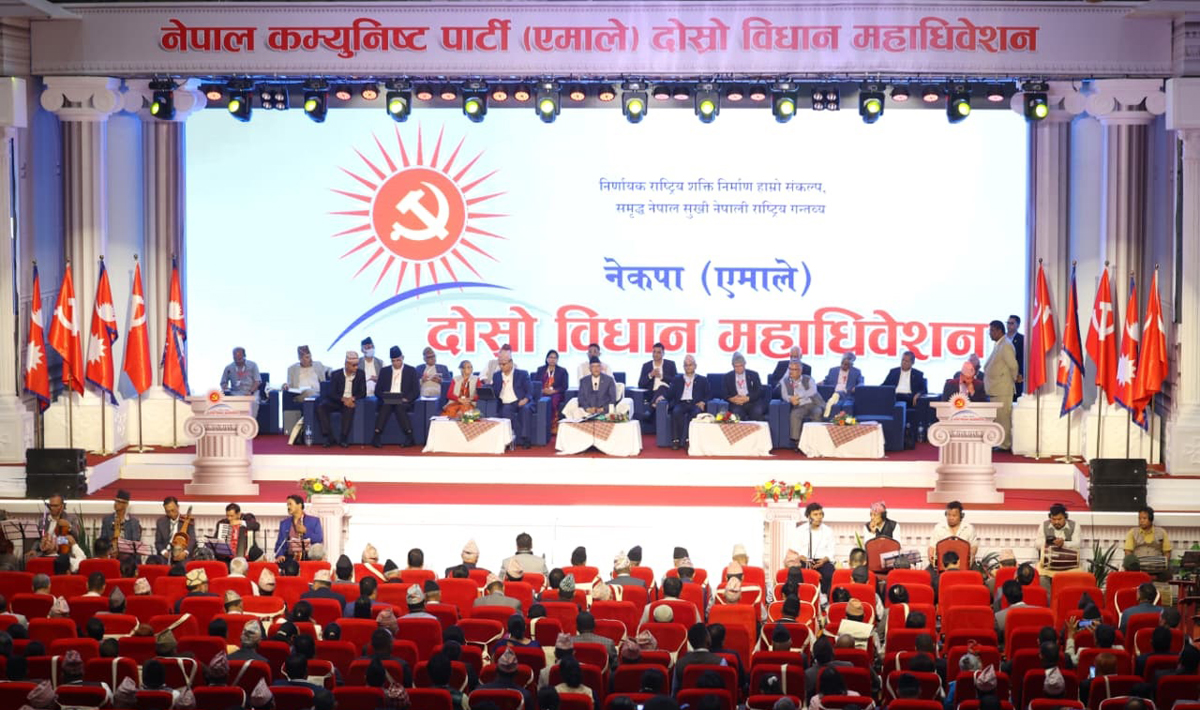
Party leaders have acknowledged that there is no consensus successor to Oli. Ishwar Pokharel does not accept Surendra Pandey, Surendra Pandey does not accept Ashta Laxmi Shakya, and Bishnu Poudel is unwilling to back Shankar Pokharel. Rising figures like Yogesh Bhattarai and Gokarna Bista lack seniority to command authority across factions. “Without Oli, we have no unifying figure,” one central member admitted.
Gyawali, addressing cadres at Chyasal, urged patience and resilience, even drawing a parallel to the phoenix, a mythical bird that rises from its own ashes. “In 2008, after we collapsed to just 33 seats in the Constituent Assembly, many said UML was finished. Yet we revived. The same will happen again. The people have given UML the blessing to stand up from the ashes,” he said.
Leaders now see elections, expected within six months, as the only way forward. Despite earlier denouncing parliament’s dissolution, UML has decided not to boycott polls. “If we don’t go to elections, there’s the risk of the army taking power and foreign meddling increasing. We must participate,” one leader told Khabarhub.
For now, the party’s focus is on rebuilding shattered structures. Sixty-two UML offices in Kathmandu alone were destroyed, along with dozens more nationwide. Leaders like Pokharel and Gyawali have urged cadres to assist security forces and engage in relief, even if it means offering food, clothes or shelter to frontline personnel.
The interim government, led by Prime Minister Sushila Karki, has pledged to ensure security and conduct elections on time. UML leaders say they will cooperate in that process, even as they grapple with the loss of their chairman’s public presence.
Still, the shadow of Oli looms large. Six days into his disappearance, questions remain: can UML truly revive without him? Or will the party cling to his leadership, however weakened, until a general convention provides a legitimate alternative?





Comment