




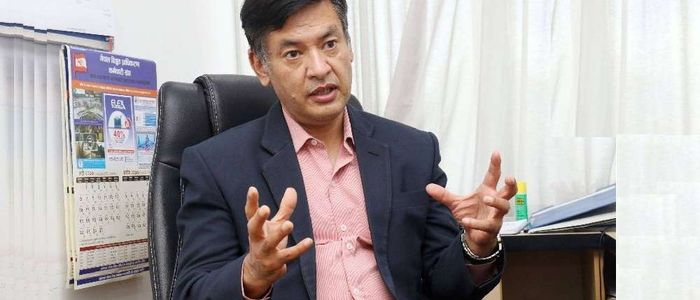
KATHMANDU: Nepal Electricity Authority (NEA) Managing Director Hitendra Dev Shakya has expressed concern over the growing mismatch between increasing electricity production and the limited expansion of the transmission line network.
Speaking at a press conference held at the NEA’s Syuchatar substation on Friday, Shakya highlighted that the existing transmission infrastructure has reached its capacity limit, causing frequent electricity supply disruptions, such as the tripping incident that occurred on Thursday night.
“If the transmission line network is not expanded rapidly, small incidents will continue to trigger supply interruptions, potentially leading to serious crises and accidents,” he said. “Last night, I spent two and a half hours monitoring the control room operations. Although improvements have been made since then, the underlying problem remains.”
Shakya pointed out that key areas including the BK link, Syuchatar and Balaju substations, and the transmission line from Dhalkebar to Pathlaiya via Chandranigahpur are currently overloaded. Despite sufficient electricity availability during the rainy season, these bottlenecks result in load shedding in some regions.
“The supply problems stem from weaknesses in NEA’s infrastructure, equipment, and network, which have been stretched beyond their limits due to increased demand,” he said. “To prevent line trips caused by overloads, supply cuts have had to be enforced.”
Shakya said expanding the transmission line infrastructure is crucial to balancing electricity demand and supply and avoiding further disruptions.
“We must urgently address the system’s inadequacy to ensure a stable electricity supply,” Shakya said.




Comment