




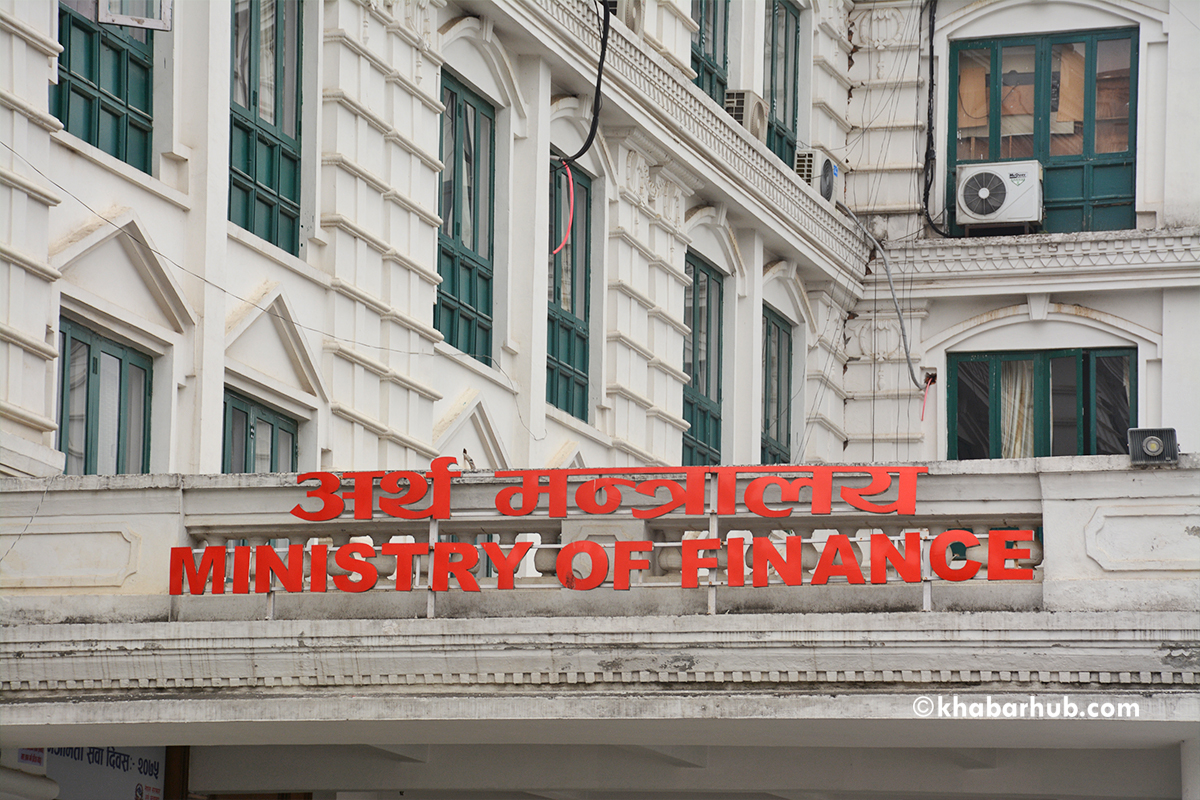
KATHMANDU: The government’s capital expenditure has slumped to just 29.2 percent by the third quarter of the current fiscal year 2024/25, according to the Office of the Comptroller and Auditor General (OCAG).
As of March 31, only Rs 102.9 billion has been spent under the capital heading, out of the allocated Rs 352.35 billion for the entire year.
The overall budget expenditure has also remained weak. The government had announced a total budget of Rs 1.86 trillion for the fiscal year. However, by April 11, only Rs 998.50 billion—or 53.67 percent—has been spent.
Under the recurrent expenditure heading, Rs 678.6 billion (59.45 percent) of the allocated Rs 1.14 trillion has been utilized. Similarly, spending under the financial management heading reached Rs 217.6 billion, or 59.23 percent of the Rs 367.28 billion allocated.
Revenue collection has also fallen short of expectations. By April 11, only Rs. 821.67 billion—57.89 percent of the targeted Rs 1.41 trillion—had been collected.
Likewise, foreign grant inflow has been sluggish. Of the targeted Rs 52.33 billion in foreign grants, only Rs 14.27 billion (27.27 percent) has been received so far.
The low capital expenditure and revenue shortfall raise concerns about the government’s ability to meet its development and fiscal goals for the year.





Comment