




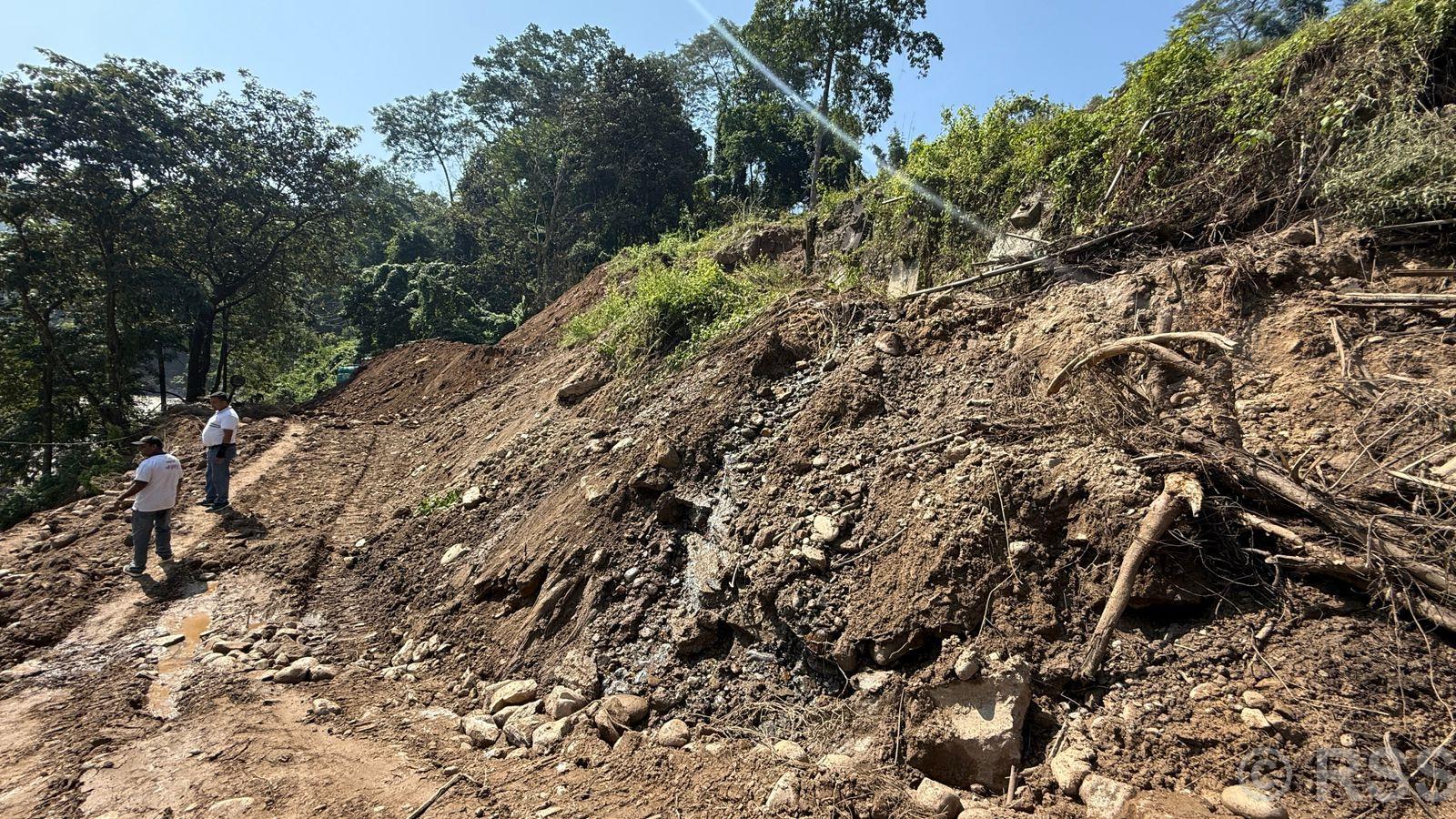
For a long time, human-made and natural disasters have distressed mankind—disrupting lives, destroying infrastructure, and threatening societal stability. The frequency and severity of natural disasters have risen sharply, as climate change worsens floods, cyclones, droughts, and wildfires, making them more frequent.
Disasters are also the leading cause of displacement worldwide. In 2024, almost 46 million people were uprooted from their homes—the highest number ever recorded.
These crises are not inevitable. Their impact depends on how we build, how we prepare, and how we support people affected by disasters. For proactive action, the International Day for Disaster Risk Reduction offers a worldwide wake-up call.
Held every 13 October, the day celebrates how people and communities around the world are reducing their exposure to disasters and raising awareness about the importance of managing the risks they face.
History
The International Day for Disaster Risk Reduction was started in 1989, following a call by the United Nations General Assembly for a day to promote a global culture of risk awareness and disaster reduction. Adopted in Sendai, Japan, the Sendai Framework for Disaster Risk Reduction (2015–2030) replaced the Hyogo Framework for Action and became an essential part of the day.
Preparing, adapting, and protecting are our shared responsibilities as climate-related disasters become more frequent.
Emphasizing community engagement, global partnership, and sustainable development, this framework outlined a worldwide approach to reducing losses in terms of lives, livelihoods, and health.
Theme
Each year, the International Day for Disaster Risk Reduction (IDDRR) adopts a specific theme that aligns with the Sendai Framework, which aims to prevent and reduce disaster losses in lives, livelihoods, and infrastructure. For 2025, the theme is “Fund Resilience, Not Disasters,” emphasizing the need for increased investment in disaster risk reduction to mitigate the impacts of disasters before they occur.
This theme highlights the urgent need to address the escalating costs of disasters by shifting focus from reactive response to proactive investments in disaster risk reduction. Increasing funding for disaster risk reduction within public budgets and foreign assistance is necessary. All public development and private sector investments must be risk-informed and resilient.
The theme of this year also reminds us of the imperative to fund resilience. Governments and development partners must scale up investments in disaster risk reduction.
The public and private sectors must integrate risk into every decision to reduce exposure and vulnerability to hazards, and resilience must be embedded into the foundations of development.
Importance
The importance of this day has grown significantly in an age of environmental deterioration, unplanned urbanization, and climate change. It reminds the world that the protection of life and livelihoods depends on preparation, prevention, and resilience—not on chance.
Rather than just reacting, the day is intended to promote a culture of disaster prevention. It motivates governments, communities, and individuals to understand, reduce, and prepare for potential hazards before they become full-blown calamities.
This day also educates people on risk analysis, disaster readiness, and the importance of community participation. It enhances international collaboration and promotes knowledge sharing, best practices, technology, and experience across countries, nonprofits, and organizations.
It contributes to sustainable development, particularly in connection with climate action, poverty alleviation, and the development of sustainable cities. Reducing disaster risks directly supports the achievement of the UN Sustainable Development Goals (SDGs). It empowers vulnerable communities and acknowledges the challenges faced by marginalized groups, aiming to include them in building disaster-resilient communities.
The day celebrates the global effort to reduce disaster risks and inspires collective responsibility in building a safer future. Numerous activities are organized worldwide to mark this occasion.
These events aim to empower, engage, and educate people at all levels and include conferences, educational seminars, public awareness campaigns, community mock drills, simulation exercises, tree plantations for environmental sustainability, exhibitions, and documentaries highlighting remarkable disaster recovery stories. Volunteers and rescue teams are also recognized for their contributions to disaster risk reduction.
The International Day for Disaster Risk Reduction is a vital reminder of the ongoing need for proactive measures to manage disaster risks and strengthen community resilience.
Individuals can also contribute meaningfully to the day by preparing an emergency kit, creating a family emergency preparedness plan, acquiring basic survival and first aid skills, volunteering, attending community awareness events, spreading knowledge about disaster risk reduction on social media, and supporting eco-friendly activities like tree planting and waste management.
Message
The UN International Day for Disaster Risk Reduction is not just a symbolic gesture; it is a call to action. It reminds us that resilience is built—not born. Preparing, adapting, and protecting are our shared responsibilities as climate-related disasters become more frequent.
Governments, non-governmental organizations, community-based groups, and individuals must collaborate to improve early warning systems, enhance risk education, and build resilient communities. Every act of awareness, readiness, and unity can turn potential disasters into opportunities for cooperation and progress.
Ultimately, disaster risk reduction is a path to sustainable development, ensuring safety, dignity, and security for all. The International Day for Disaster Risk Reduction is a vital reminder of the ongoing need for proactive measures to manage disaster risks and strengthen community resilience. By raising awareness and encouraging action, this day plays a crucial role in global efforts to reduce the impact of disasters on vulnerable populations.
On this day, let us commit to meeting surging risks with increased funding—and to building a safer and more equitable future for all.
(The author, Malashi, is actively involved in writing on Disaster Risk Management and Natural Resource Management)





Comment