




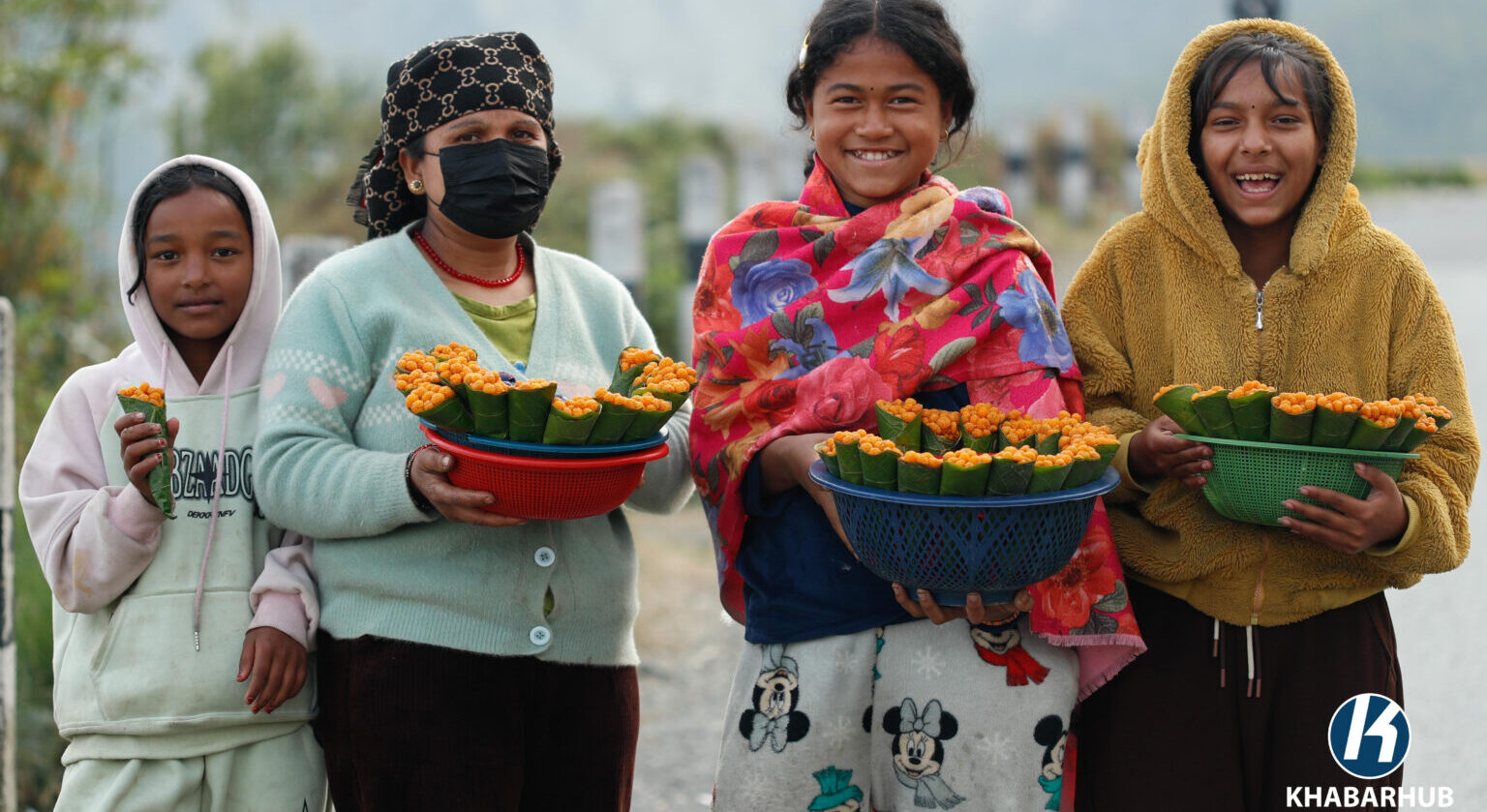
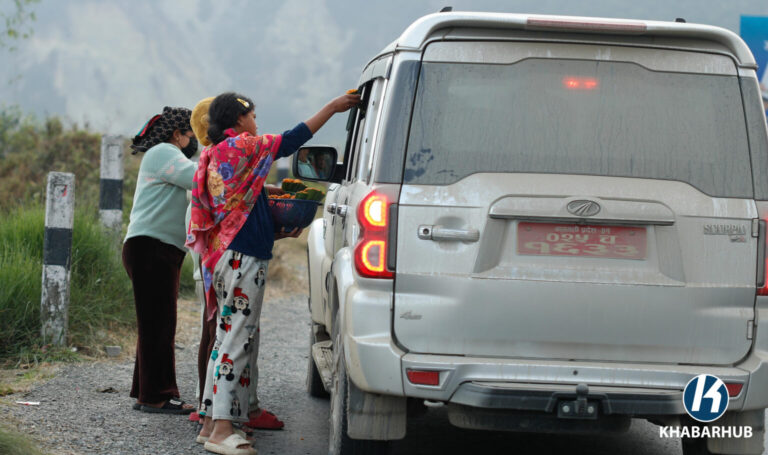
KASKI: A large number of locals have gathered to sell aiselu—a Himalayan raspberry—in the Paundur Ghumti area of Annapurna Rural Municipality, Kaski district.
The vibrant market continues this season, as aiselu (raspberry) season reaches its peak.
Raspberry, which grows naturally on slopes, hillsides, and pastures, has become a valuable seasonal source of income for local communities.
Almost every traveler along the Pokhara–Baglung road stops to purchase aiselu at this spot.
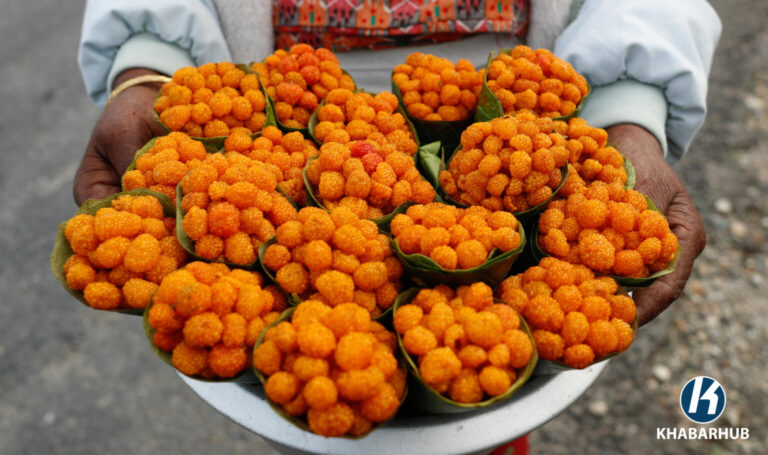
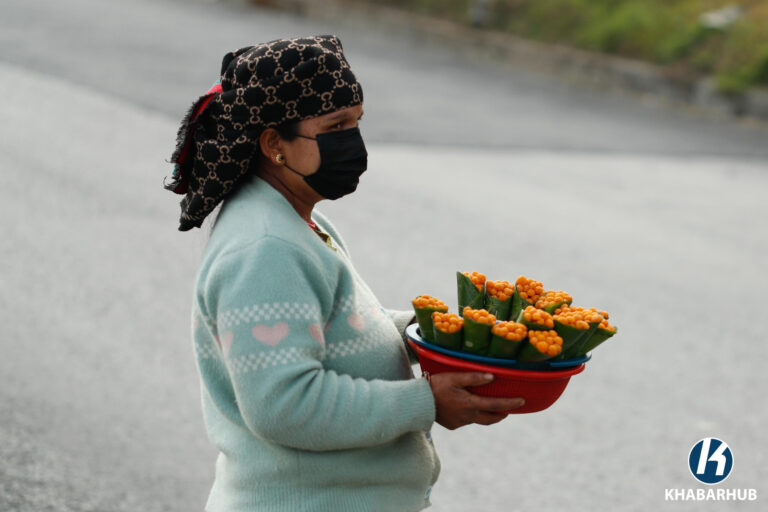
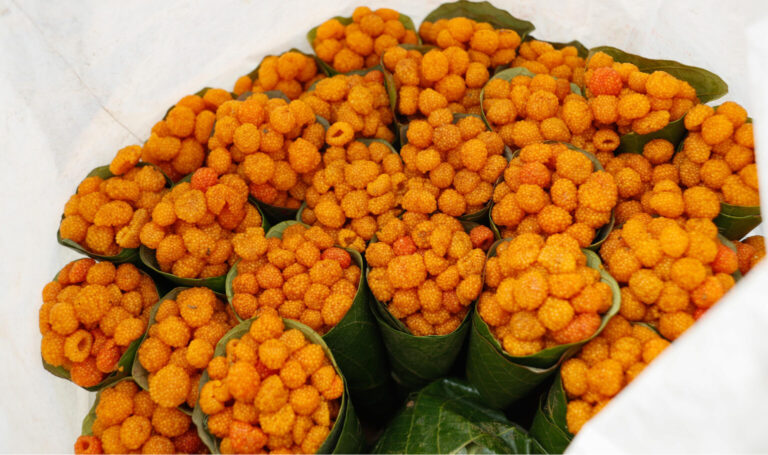
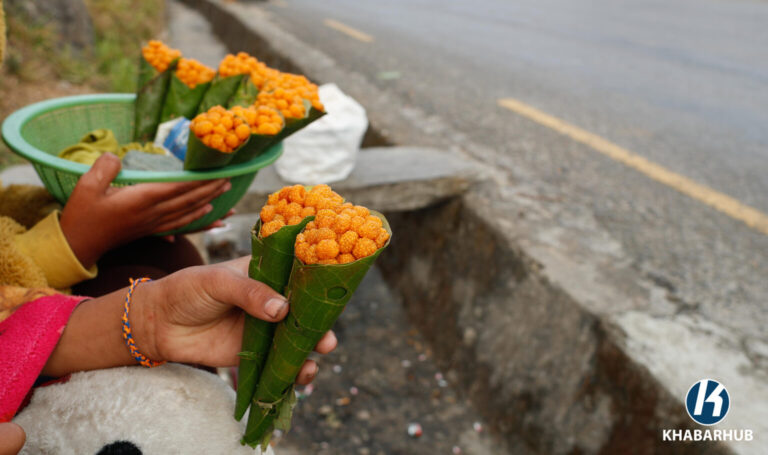
Sold for Rs 100 per soli (a traditional container made from leaves), the fruit is typically collected early in the morning.
Local seller Rashika Bishwakarma shared, “We have to go to Adherikhola at dawn to pick the fruit. It’s not easy—it’s covered in thorns and hard to harvest.”
Another vendor, Asmi Bishwakarma, earns up to Rs 2,000 daily during the peak season.
“Aiselu only grows during April, May and June,” she said, adding that she does regular farming the rest of the year.
Despite the abundance of aiselu in the region, locals say the fruit is not being fully utilized.
While some eastern districts have begun producing wine and juice from wild raspberries and generating good income, locals in this area feel such opportunities have yet to reach them.
Native to mountainous regions across Nepal, India, Pakistan, and China, aiselu is also known as the “Golden Himalayan Raspberry.” In some places, it is simply referred to as “raspberry.”
Beyond its delicious taste, aiselu is rich in nutrients such as vitamin C, phenols, and flavonoids. It also has medicinal properties—its roots are traditionally used to treat fever, diarrhea, and gastritis.
Photos: Nepal Photo Library






Comment