




KATHMANDU: The Government of India has introduced new immigration regulations under the Immigration and Foreigners Act 2025, effective from September 1, according to the Times of India.
The Act grants expanded powers to the Bureau of Immigration (BOI), with the aim of curbing fraud, assisting state authorities in deporting illegal immigrants, and establishing a centralized immigration database.
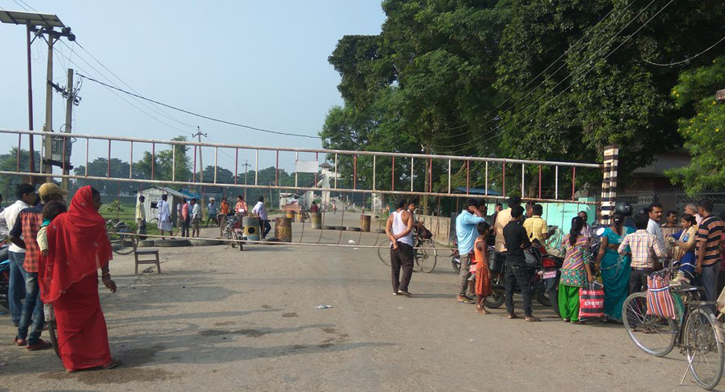
Officials say the new rules are also intended to manage rising cross-border migration in Uttar Pradesh districts bordering Nepal where increasing numbers of Nepali citizens travel for employment, education, healthcare, and business.
Authorities have expressed concern that the open border between Nepal and India has created vulnerabilities, including risks from criminal networks, illegal immigrants, and foreign intelligence agents.
Under the new provisions, all foreign nationals, including Nepali citizens and Non-Resident Indians (NRIs), will be required to fill out immigration forms. Hotels, hospitals, nursing homes, universities, and other institutions will also be mandated to maintain detailed records of foreign guests and students.
At the same time, the central government has clarified that Nepali and Bhutanese citizens do not need a passport or visa to enter India when traveling directly from their home countries, either by air or land. However, they must present valid identification such as a citizenship certificate, voter ID card, a photo ID issued by their embassy in India, or—for children aged 10–18—a school identity card signed by their headmaster.
The directive further specifies that Nepali and Bhutanese citizens entering India from a third country must carry a valid passport. The same provision applies to Tibetan residents living in India.






Comment