





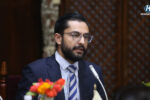
KATHMANDU: Ramhari Khatiwada, Chairperson of the State Affairs and Good Governance Committee, is facing mounting political backlash and calls for his resignation after being accused of unauthorized alterations to the Civil Service Bill, particularly the removal of a “cooling-off period” clause that had previously been agreed upon by the committee.
The controversy erupted after it was revealed that the version of the bill tabled and passed in the House differed from the one finalized by the parliamentary committee.
A key clause—intended to impose a mandatory gap or “cooling-off period” before civil servants could take up political appointments—was reportedly removed without committee consensus, prompting accusations of bad faith and manipulation.
Several lawmakers, including those from the opposition and ruling parties, have demanded an investigation and action against those responsible. Critics say the bill was deliberately altered, with the insertion of the word “except” changing the intent and enforcement of the law.
Suryabahadur Thapa Chhetri, an MP from the CPN-UML, strongly objected to the changes, calling them “irresponsible and unacceptable.”
“If proven true, this act reflects utter disregard for legislative integrity and cannot be pardoned,” said Chhetri. “It appears as though governance is being overridden by misgovernance in the very process of law-making.”
Rastriya Swatantra Party (RSP) spokesperson and MP Manish Jha was even more direct, urging Khatiwada to resign immediately.
Jha also mocked fellow lawmakers for approving the bill without reading it thoroughly.
The RSP, already calling for the resignation of Home Minister Ramesh Lekhak over a separate visa scandal, now plans to formally demand Khatiwada’s resignation as well.
Senior Nepali Congress leader Dr. Shekhar Koirala also weighed in—without directly naming Khatiwada—labeling the unauthorized modification of the bill as a “serious crime against the people and an insult to sovereign Parliament.”
“This is not a mere mistake but a deliberate violation of trust and procedure,” Koirala said, urging immediate reversal of the altered provisions and maximum action against those involved.
He said that no further work should proceed on the bill unless the cooling-off clause is reinstated.
In response to the allegations, Chairperson Khatiwada admitted that there had been irregularities but claimed the matter could still be corrected by the National Assembly. He expressed willingness to face investigation and said that anyone responsible for tampering should be held accountable.
“This is a disgrace to the legislature by the executive branch,” he stated. “Let there be a full investigation, including into my own role. I also believe the bill should be corrected and reintroduced.”
As calls for accountability grow louder, the controversy is shaping up to be a major test for Nepal’s legislative transparency and parliamentary ethics.




Comment