




KATHMANDU: Two women — Jennifer Doudna and Emmanuelle Charpentier – have been awarded the 2020 Nobel Prize for chemistry by the Nobel Committee.
Reason: They developed a method of genome editing, or gene editing, likened to “molecular scissors” which is said to offer the promise of one day curing inherited diseases or even a disease like cancer.
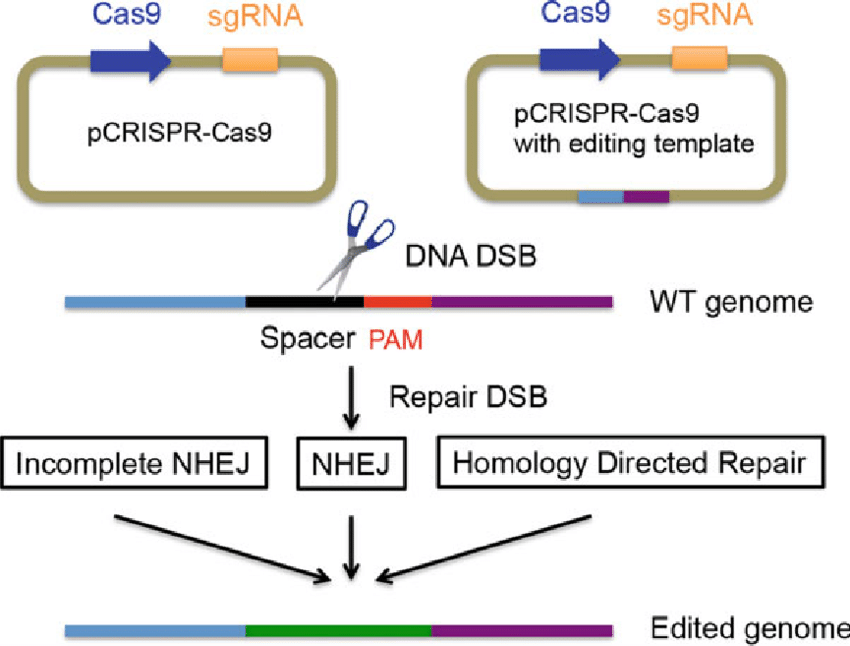
American Jennifer A. Doudna and Frenchwoman Emmanuelle Charpentier developed the method called Crispr/Cas9 which can be used to change the DNA of plants, animals, and even microorganisms with extremely high precision.
Genome editing
Genome editing is a group of technologies that provides scientists with the ability to change an organism’s DNA.
Many approaches to genome editing have also been developed – the latest one being the Crispe-Cas9, which has generated a lot of excitement. It is cheaper, faster, accurate, and efficient than other existing genome editing methods.
The technology also allow genetic material to be added, removed, or even altered at a particular location in the genome.
It has come as a great interest in the prevention and treatment of diseases in humans.
The most research on gene editing is carried out to understand diseases using cells and animal models.
This editing is also being explored in research on a several diseases, including single-gene disorders like cystic fibrosis, sickle cell disease, and haemophilia.
The Crispr/Cas9 cannot only snip DNA at the right spot but can also repair the joins so that errors do not creep in again.
This also holds promise for treating and preventing complex diseases, such as cancer, mental illness, heart disease, and also the human immunodeficiency virus (HIV) infection.
Many approaches to genome editing have also been developed – the latest one being the Crispe-Cas9, which has generated a lot of excitement. It is cheaper, faster, accurate, and efficient than other existing genome editing methods.
The Crispr/Cas9 cannot only snip DNA at the right spot but can also repair the joins so that errors do not creep in again.
It is also a repeating sequences of genetic code that serves as part of the bacterial immune system. It helps in defending against invading viruses.
Ethical concerns
The path to this stage took less than a decade.
Crispr has, however, raised ethical questions in the scientific community.






Comment