




“Coronavirus” is a large family of viruses’ that are behind a number of illnesses, ranging from the common cold to more severe diseases, like the Severe Acute Respiratory Syndrome, or SARS as it is more commonly known. The Novel Coronavirus (nCoV) is a new strain that had not previously been identified in humans.
The nCoV started in Wuhan, China. The first case of this disease was recorded in mid-December 2019. As of the early hours of the 31st of January 2020, the death toll had reached 213, according to the New York Times.
In the 24 hours leading up to that same day, 2,000 new cases were recorded in China increasing to a number of worldwide cases to almost 9,800, according to the Chinese and World Health Organization (WHO) data. Almost 99 percent of these cases are inside China with close to a hundred cases confirmed in more than a dozen other countries.
Symptoms
According to the Centres for Disease Control and Prevention (CDC), the symptoms noticed have ranged from people being mildly sick to severely ill and dying.
In most cases, the symptoms are typical flu symptoms such as coughing, fever, and even shortness of breath making it hard to ascertain whether it is the deadly Coronavirus or common flu. In more serious cases, infection by the virus can cause pneumonia, SARS, kidney failure and even death. Symptoms usually appear 2-14 days after exposure.
Preventive measures
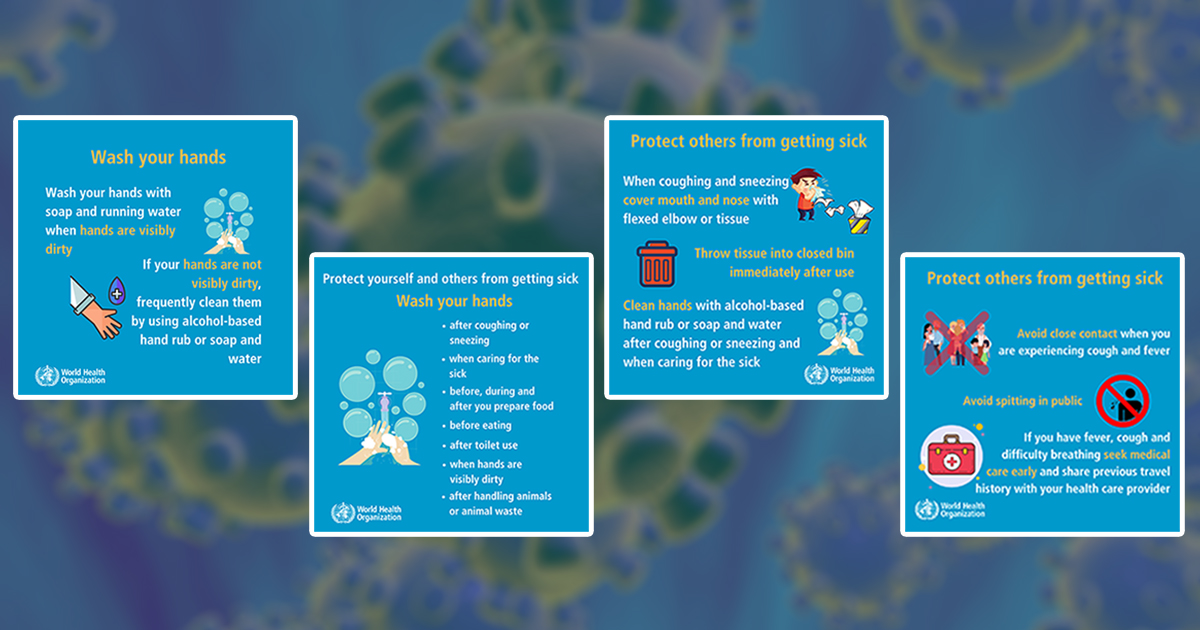
WHO recommendations to reduce exposure to the Novel Coronavirus include maintaining basic hand and respiratory hygiene and safe food practices. Avoiding close contact with anyone displaying symptoms of the disease is recommended when possible.
The consumption of raw or undercooked animal products should be avoided. Raw meat, milk and even eggs should be handled with care in order to avoid cross-contamination with other food.
Treatment
As it is a new strain of the virus, there are no specific treatments for the disease. However, the symptoms can be treated. Treatments can be based on the symptoms being displayed by each patient. There are also no vaccinations for the nCoV yet. Developing a new vaccine could take years.
Conclusion
On 30th of January 2020, WHO declared a Public Health Emergency of International Concern over the outbreak of the nCoV. WHO Director-general, Tedros Adhanom Ghebreyesus expressed concerns about the idea of the virus spreading in countries with weaker health systems.
There is still a need for more studies to be done regarding the behavior of the nCoV, as it is a new strain. Meanwhile, it is important to use the information that we have in order to stay safe.





Comment