




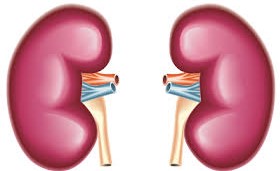
Kidney is a vital organ. One among three Americans is at risk for kidney disease.
More than 26 million Americans already have a kidney disease. Most people are not aware of the kidney ailment since there are no signs of kidney disease until it has progressed. There is no “one-size-fits-all” solution for preventing kidney problems, such as kidney stones.
The good news is there are some actions you can take to improve the chances of keeping those kidneys healthy. Here are five ways to consider:
Drink plenty of fluids (48 to 64 ounces of water daily) to help the kidneys work well. This is also the best way to prevent kidney stones.
Don’t smoke. Smoking slows the flow of blood to the kidneys, which may reduce their function. Smoking also raises the risk of kidney cancer by about 50 percent.
Eat healthy, low fat foods to cut your risk of high blood sugar and high blood pressure. Exercise can also help keep your blood pressure and sugar levels under control.
If you take over the counter painkillers, like ibuprofen and naproxen, daily for everyday pain or joint swelling, then talk to your doctor about checking your kidney function. These drugs can cause harm to the kidneys if taken too often over a long period.
If you have high blood pressure or high blood sugar, then have your kidney function monitored on a regular basis.
(Agencies)






Comment