




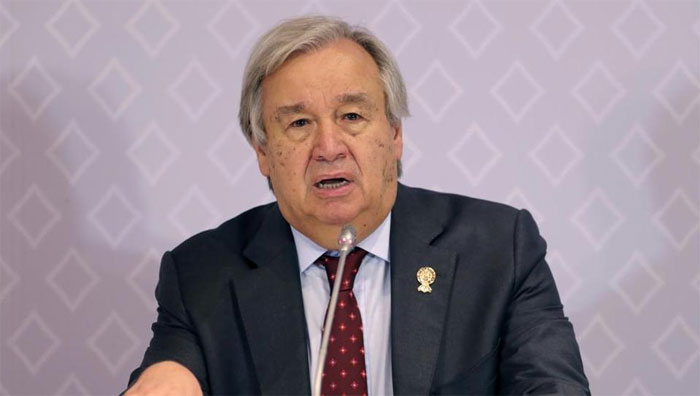
ABU DHABI: Although many impressive results have been achieved in controlling Neglected Tropical Diseases (NTDs), affecting more than one billion people in 149 countries, the world is still going to miss some further targets in this regard, according to World Health Organisation (WHO) Director-General Dr. Tedros Ghebreyesus.
“NTDs (a diverse group of communicable diseases such as dengue, rabies, and leprosy, etc.) mostly affect the poorest and most marginalized communities of the world, causing immense suffering, but we are making progress towards the sustainable elimination of many of these diseases,” Dr Tedros Ghebreyesus said in an interview with the Emirates News Agency (WAM).
“Today, 500 million fewer people than in 2010 need interventions against NTDs and more than 40 countries, territories and areas have eliminated at least one disease. Despite all these impressive results, we are still going to miss some of the ambitious targets in our current NTDs Roadmap,” he said in the interview ahead of his participation in the Reaching the Last Mile (RLM) Forum in Abu Dhabi, which would take place on Tuesday at the Louvre Abu Dhabi.
The biennial invitation-only Forum convenes global health leaders to share insights and best practices on how to map out, eliminate and eradicate infectious diseases.
The event is held under the patronage of Sheikh Mohamed bin Zayed Al Nahyan, Crown Prince of Abu Dhabi and Deputy Supreme Commander of the UAE Armed Forces, and in partnership with the Bill and Melinda Gates Foundation.
There will be several major announcements regarding Neglected Tropical Diseases, NTDs, in the Forum.
“We have now developed a new NTD Roadmap for 2021-2030, which encourages a fundamental shift from a disease-specific approach to integrated approaches in the context of universal health coverage,” the WHO chief revealed.
According to the WHO, some tropical diseases are called ‘neglected,’ because the people who are most affected by these diseases are often the poorest populations, living in remote, rural areas, urban slums or conflict zones.
(Agencies)


Comment