




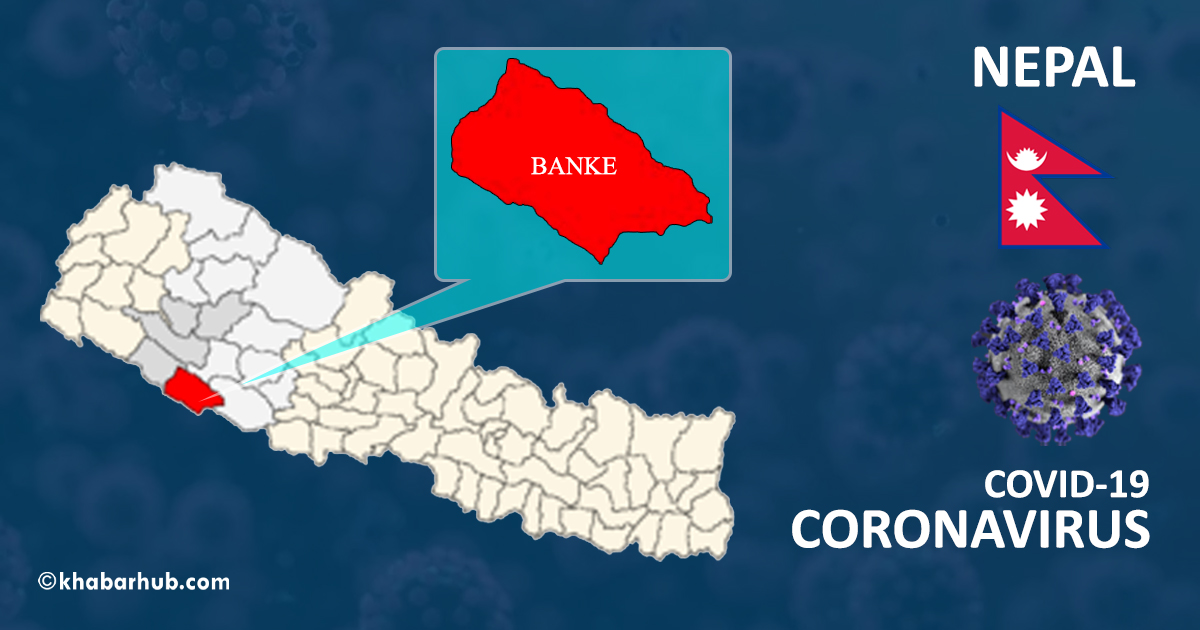
NEPALGUNJ: Preparations are going on to test throat swab samples en masse for the coronavirus in Nepalgunj which has appeared as a ‘hotspot’ of the virus.
According to District Public Health Office, Banke officer and focal person for COVID-19, Naresh Shrestha, a sufficient amount of kits to conduct the mass swab collection has arrived in the district for testing through the RTPCR method.
With the continual rise in the COVID-19 cases in Nepalgunj, the government has sent 2,000 testing kits and 1,000 VTM here to expand the testing coverage. So far, 24 positive cases (23 in a single ward and one in the neighboring ward) have been detected in Nepalgunj recently, indicating the high need to increase the testing rates.
It has been decided to include those in isolation and confirmed to have come into contact with temples, mosques, and the infected.
The Bheri Hospital in Nepalgunj has the capacity of testing 100 samples in a day. If the swab collections complete in a day, the remaining samples will be taken to Kathmandu for the test.
Hospital chief Dr Prakash Thapa said the government gave top priority by sending the testing kits and required medical equipment to collect swab samples and they are sure that there would be no obstructions in the collection on a large scale. The collection was likely to take place today itself.




Comment