




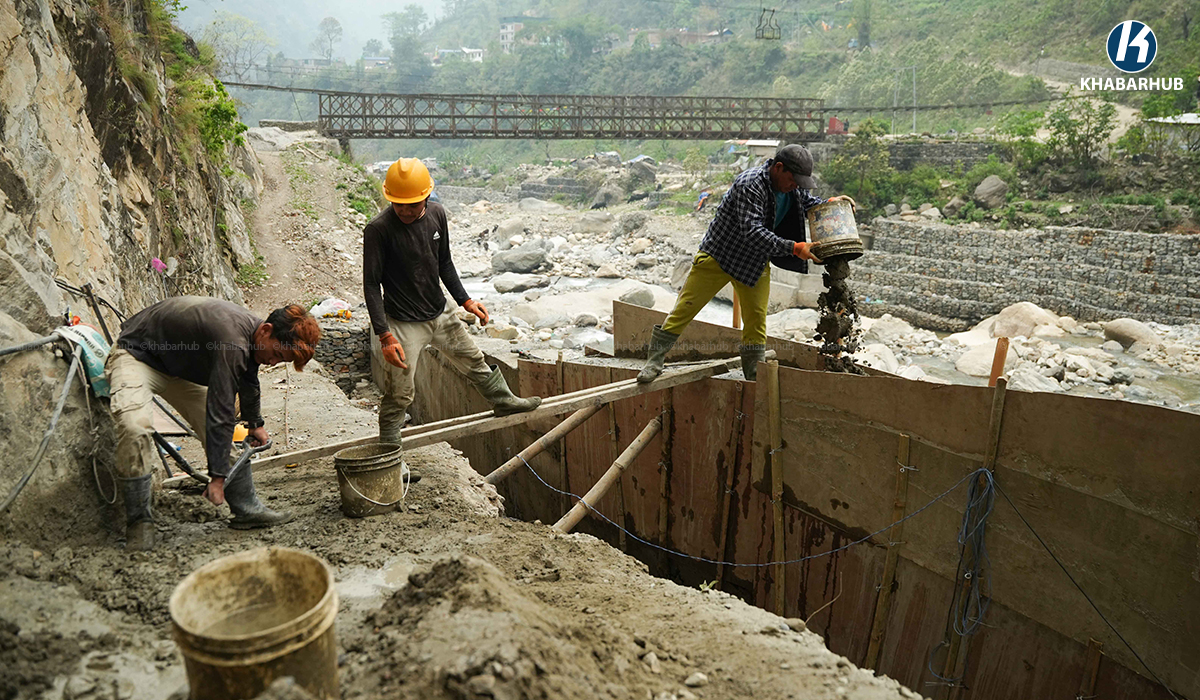
KATHMANDU: As the world marks International Workers’ Day on May 1, the condition of a majority of workers in Nepal remains far from secure, with many still deprived of basic labour rights.
More than 80 percent of Nepal’s workforce is engaged in the informal sector, including construction, agriculture, transport, and domestic work. These workers often operate without formal contracts, social security, or insurance coverage.
For many, even basic standards such as fixed working hours, minimum wages, and safe workplaces remain out of reach. Daily wage earners, in particular, face uncertainty, as income depends entirely on the availability of work.
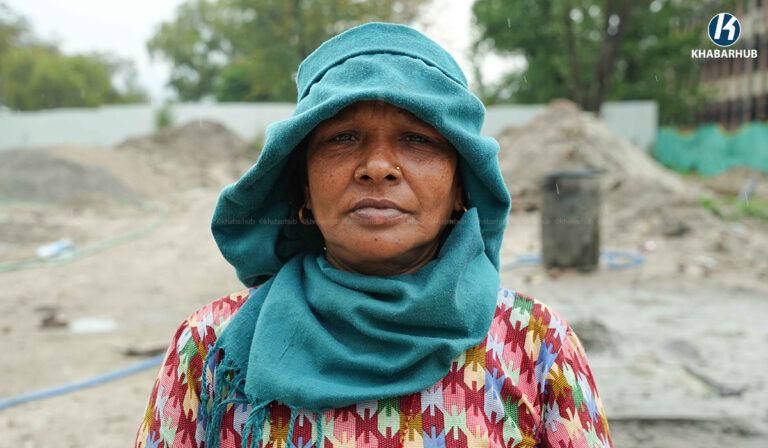
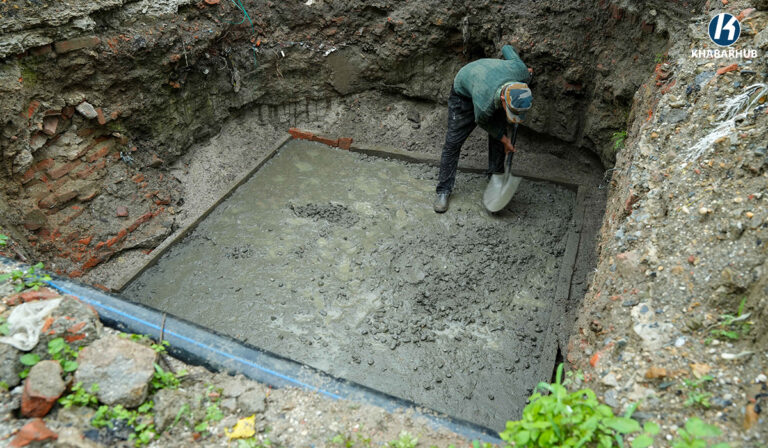
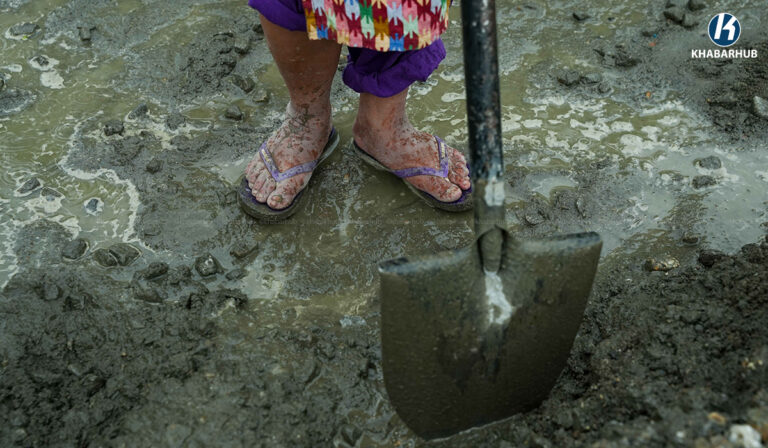
Among them is 55-year-old Geeta Lama, currently staying in a temporary holding centre in Kirtipur after being displaced from Thapathali. She now survives on daily wage labour.
“Earlier, even in a squatter settlement, we had a home. Now we have nothing. It is hard to find work, and even when we do, the labour is physically demanding. Earning Rs 1,000 a day is not enough to survive amid rising prices,” she said.
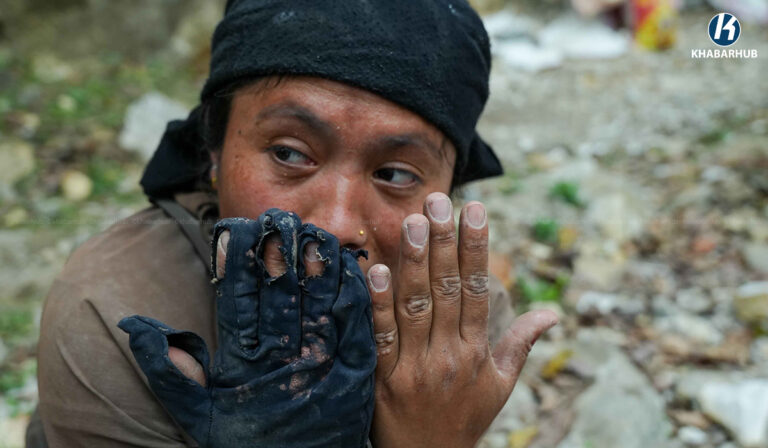
Similarly, Bijay Magar, also displaced, says irregular work and increasing living costs have made survival difficult. “Some days there is work, some days there isn’t. Transport fares are high, and nothing in the market is cheap,” he said.
Their struggles reflect the broader reality faced by thousands of workers who rely on daily wages. A missed day of work often means going without food.
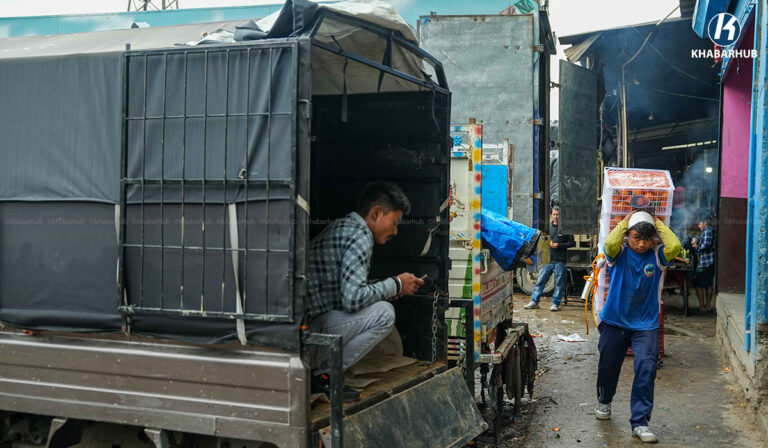
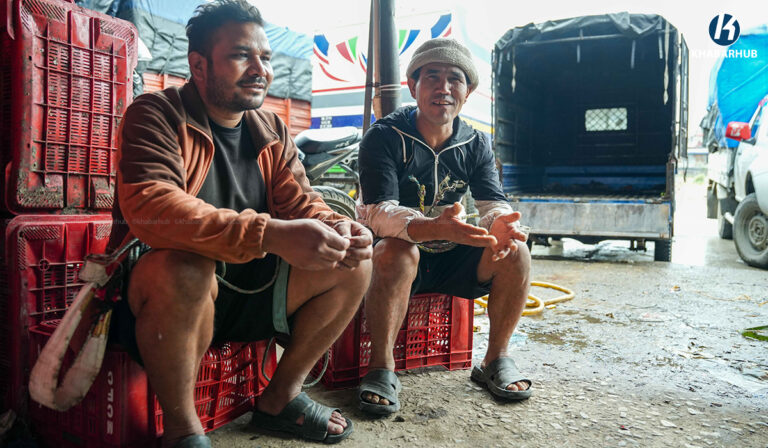
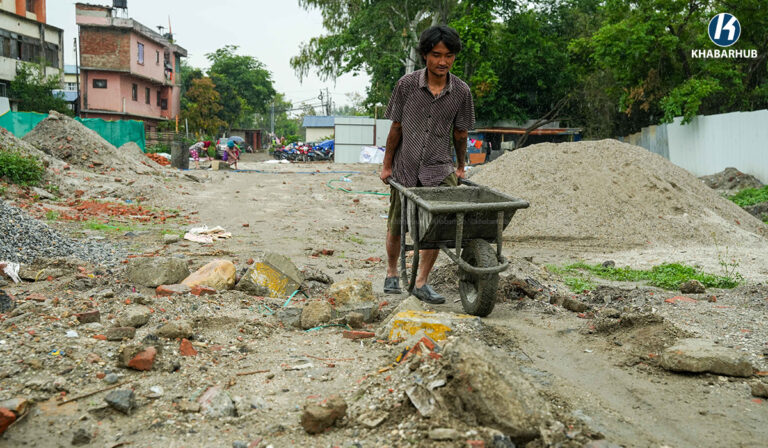
In Kalimati’s fruit market area, labourers like Tek Bahadur Sunar and Bir Bahadur Basnet carry heavy loads to make a living. With inconsistent work and low earnings, they shoulder the burden of supporting their families, including education and daily expenses.
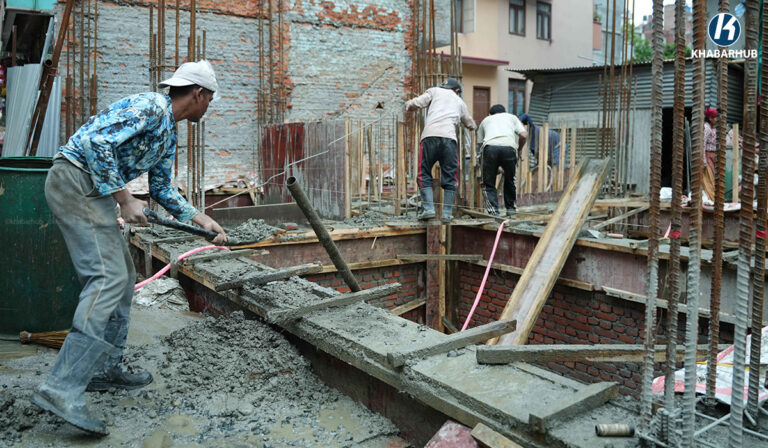
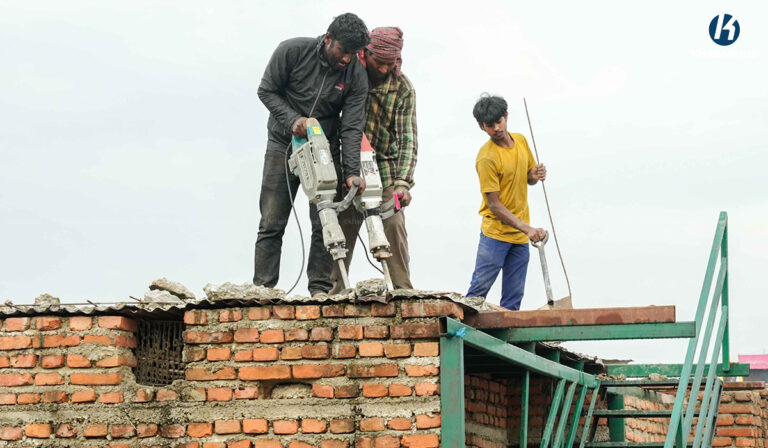
Despite legal provisions, the implementation of minimum wage policies remains weak, particularly in construction and small industries where workers are often underpaid.
Access to the Social Security Fund is also limited for informal workers due to temporary employment, lack of awareness, and employer negligence. As a result, workers remain vulnerable during illness, accidents, or unemployment.
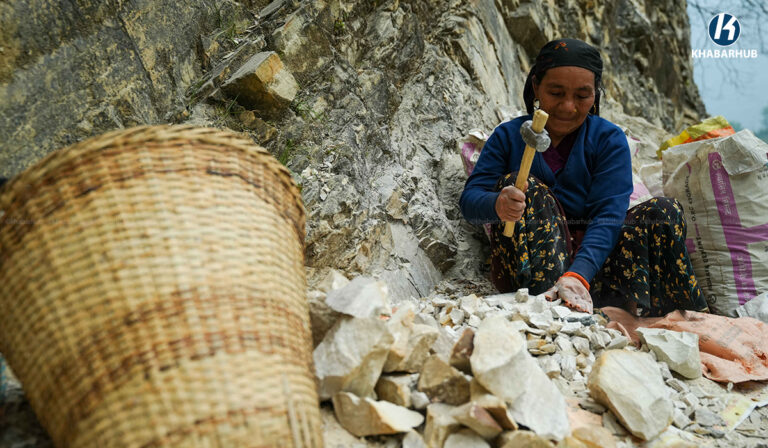
Women workers face additional challenges, often receiving lower wages while bearing dual responsibilities in both household and workplace roles. Likewise, returnee migrant workers and internally displaced labourers continue to struggle with unstable employment.
Experts say labour rights in Nepal largely remain confined to paper, with weak enforcement and limited worker organization further compounding the issue.
On the occasion of Labour Day, observers stress the need to move beyond formal ceremonies and slogans, calling for concrete measures to ensure fair wages, social security, and safe working conditions.
They warn that achieving economic prosperity will remain difficult without guaranteeing dignity and protection for the country’s workforce.





Comment