




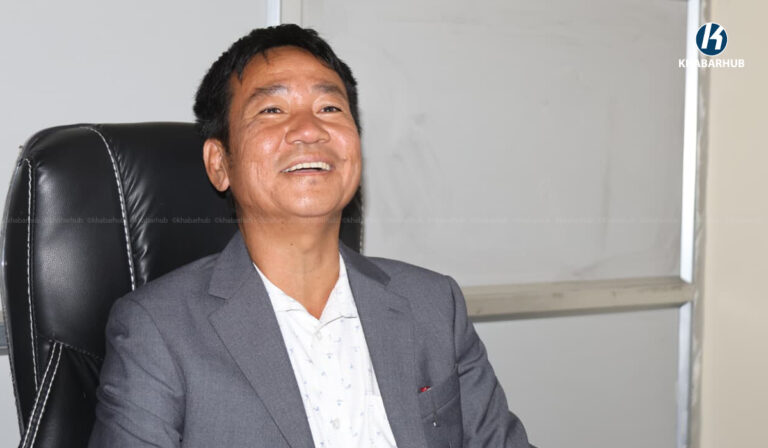
KATHMANDU: Chairperson of the Shram Sanskriti Party, Harka Raj Rai, has presented a 33-point suggestion to the government, calling for sweeping reforms across governance, economy, and education.
Speaking at a press conference in the capital on Tuesday, Rai urged the government to ensure stable and reasonable pricing of essential goods such as salt, oil, energy, and petroleum products.
He stressed the need for a fundamental shift in the education system, advocating for a model centered on labor, production, construction, and innovation. Rai argued that an education system disconnected from practical skills cannot bring meaningful change, and called for reducing rote-based learning to no more than three days a week while promoting practical education.
Rai also called on the government to expedite the completion of stalled infrastructure projects, take strict action against corruption, and reform the public procurement system.
Among his key proposals, Rai suggested forming a ‘Gen-Z Commission’ to introduce youth-focused policies, ending judicial delays, and ensuring inclusive representation. He also emphasized the importance of tourism development, heritage conservation, and safeguarding citizens’ lives and property.
Highlighting economic concerns, Rai urged the government to reduce dependency on foreign loans and grants, and instead develop a self-reliant economy based on domestic resources and production. He stressed the need to create employment opportunities within the country and minimize foreign interference.
Rai further called for ending Kathmandu-centric development practices and prioritizing border and rural regions. He underscored the need for effective implementation of federalism, with balanced budget allocation based on geography, population, and needs.
The proposal also includes building a transparent and accountable government, managing squatters and businesses with proper rehabilitation and compensation, and implementing effective programs for natural resource conservation, climate action, and disaster management.
He emphasized strengthening law and order nationwide, controlling criminal activities through education and social awareness, and expanding access to basic services such as healthcare, education, roads, and electricity, particularly for farmers, laborers, and marginalized communities.
Rai also called for addressing broader social justice issues, including resolving the Bhutanese refugee crisis, ensuring equality and non-discrimination, and protecting the rights of Nepalis working abroad.
His recommendations further include honoring ex-Gurkha soldiers, delivering justice to victims of cooperative fraud, supporting orphans and vulnerable groups, and providing special benefits to families of martyrs. He also stressed the need to uphold independent journalism and ensure a fair and impartial judicial system.




Comment