




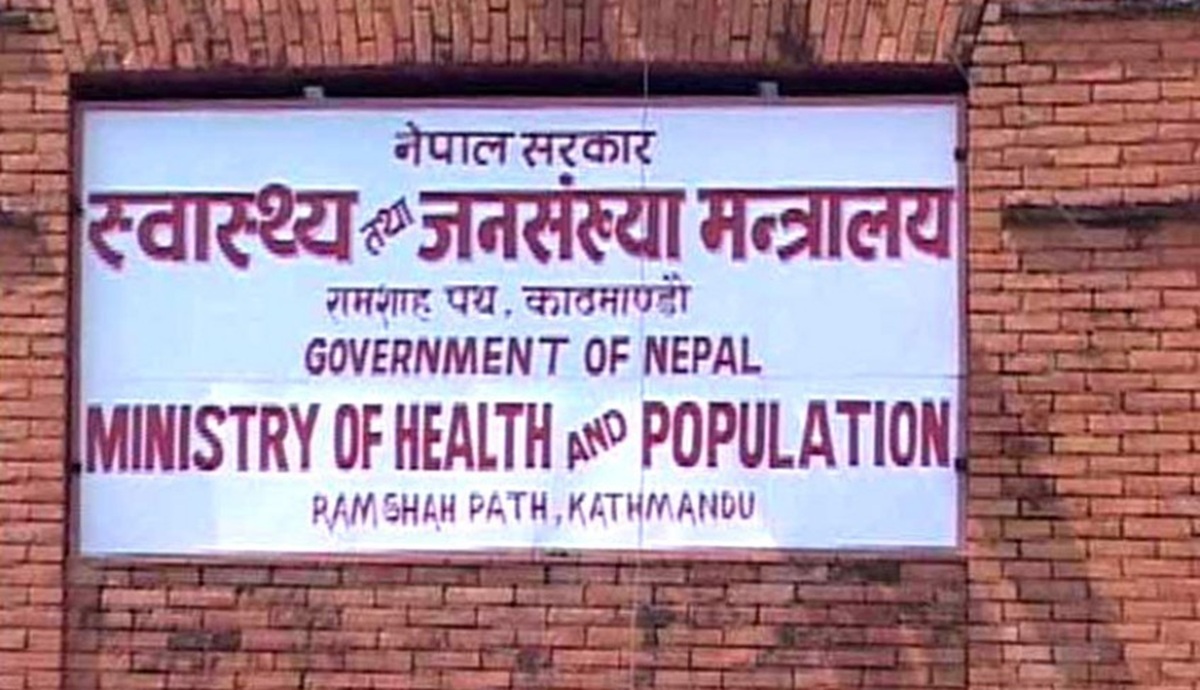
KATHMANDU: The Ministry of Health and Population Nepal has introduced a gender-responsive budgeting guideline aimed at promoting gender equality in the health sector and ensuring inclusive health services.
The guideline requires gender perspectives to be integrated at every stage of health service planning, budgeting, implementation, and monitoring.
According to the ministry, the initiative seeks to reduce inequalities among women, men, children, and other vulnerable groups while ensuring equal access to health services for all.
Officials said the system is not solely focused on women but is designed to address the diverse needs of all citizens through fair and equitable allocation of resources. It is expected to help assess the gender impact of decisions from budget allocation to expenditure.
The guideline also includes provisions for gender analysis of health policies and programs, systematic collection and classification of data, and evaluation of budget impacts. Various indicators and tools will also be used to ensure effective implementation.
The ministry said the guideline has been prepared in line with the gender equality provisions of the Constitution of Nepal and the goals of the United Nations’ Sustainable Development Goals.
It is expected to strengthen transparency, accountability, and inclusiveness in health services.
According to the ministry, the guideline will be implemented effectively through coordination among stakeholders at the federal, provincial, and local levels. Government and non-government organizations working in the health sector will also be involved in the process.
Officials believe that the gender-responsive budgeting system will play a significant role in reducing gender disparities in the health sector and expanding access to healthcare services.




Comment