




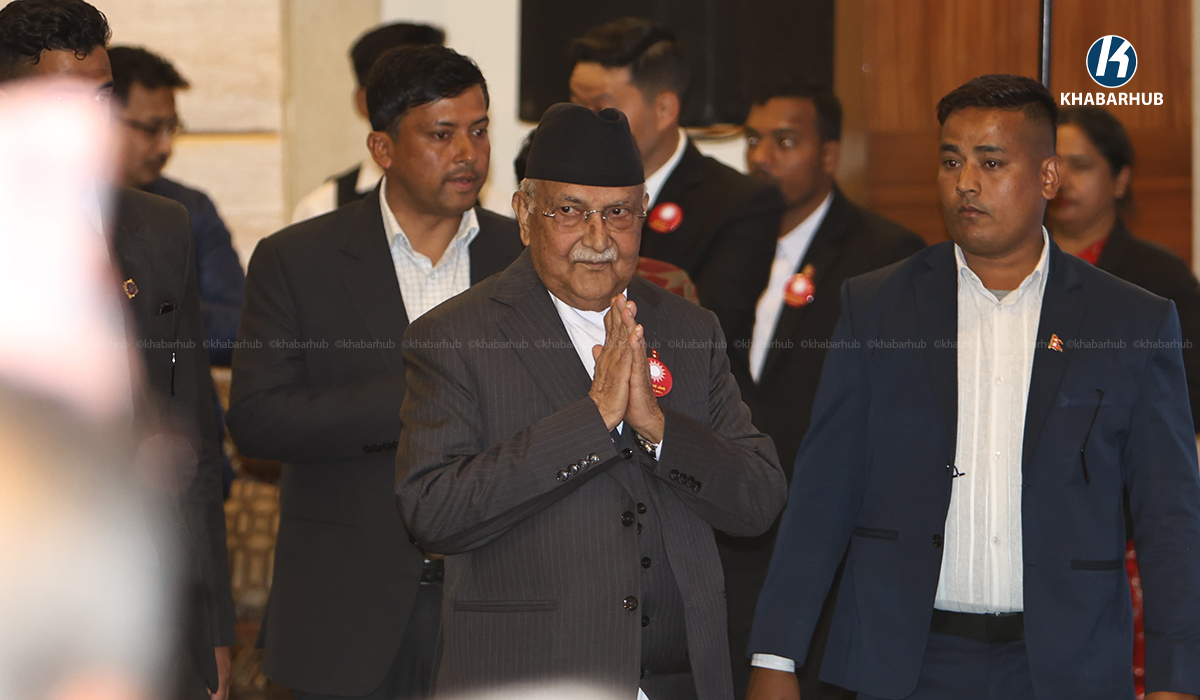
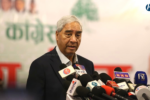
JHAPA: CPN-UML Chair KP Sharma Oli, once known for confidently touring the country during elections, has this time centered his entire campaign in Jhapa-5, facing what party insiders describe as the most challenging electoral battle of his career.
Unlike previous elections when Oli would address mass gatherings across districts after filing his nomination, he has remained largely confined to Jhapa-5. Leaders say he is determined to consolidate his base amid a shifting political landscape triggered by the entry of senior Rastriya Swatantra Party leader Balen Shah into the race.
After the Gen-Z movement on September 8 and 9, which led to political upheaval, Oli has encountered growing scrutiny from younger voters. Shah’s candidacy has added intensity to the contest, with observers saying the constituency has turned into a high-stakes battleground.
According to Oli’s election commander Devendra Dahal, the UML chair arrived in Jhapa on Saturday and has no immediate plan to return to Kathmandu before the election. Although Oli’s voter registration remains in Bhaktapur, Dahal said a schedule for his return has not been finalized.
“Some confusion had been created in the community. The chair has clarified those issues through direct interaction,” Dahal told Khabarhub. “We are now focused on door-to-door outreach to consolidate support.”
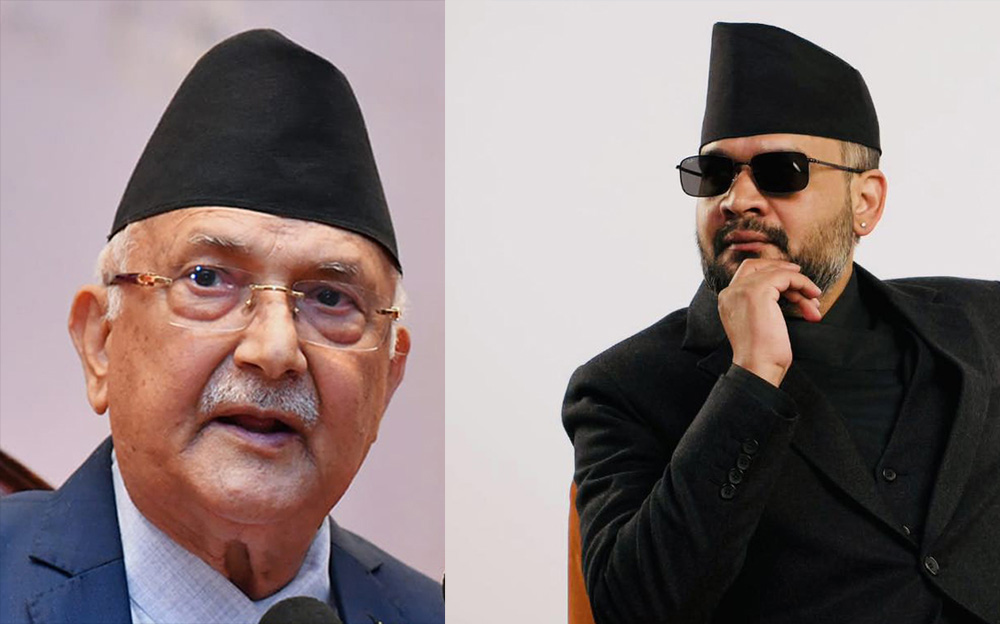
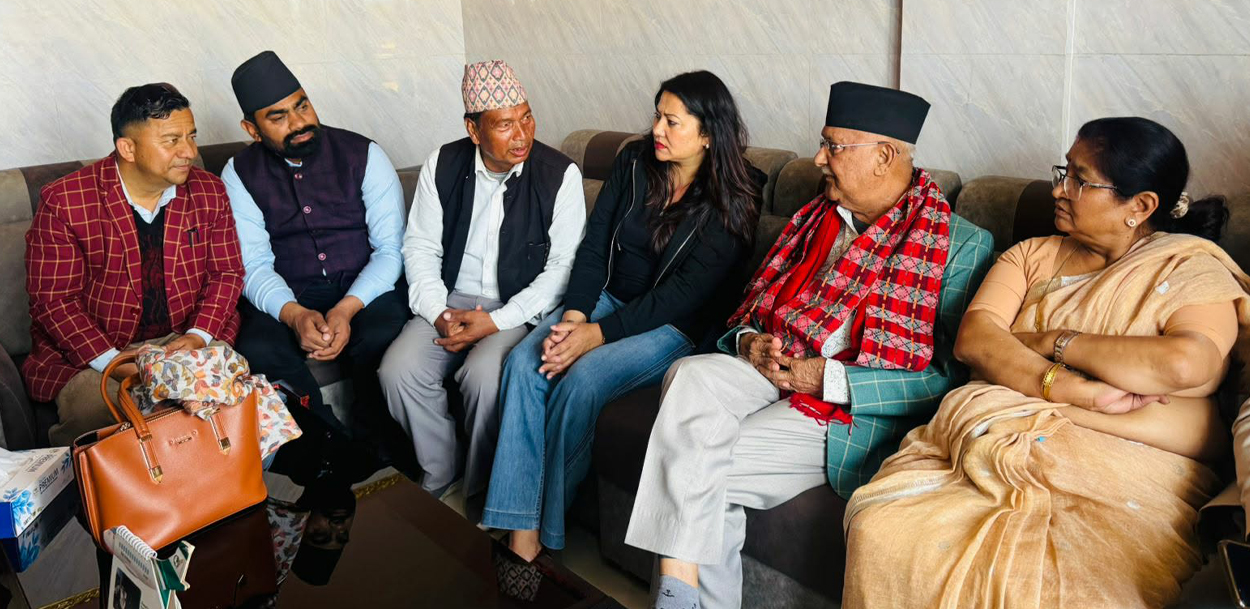
Party leaders claim that dissatisfaction within certain UML ranks had surfaced earlier, but they insist the situation is now improving. Oli has been meeting intellectuals, youths, students, transport workers and long-time supporters, while also mobilizing party cadres to visit households across the constituency.
Meanwhile, Shah’s supporters have been actively campaigning, particularly on social media, seeking to influence undecided voters. UML leaders acknowledge the digital presence of Shah’s campaign but say they have mobilized their own networks in response.
Political observers describe the contest as competitive. A local Nepali Congress leader in Damak said that if elections were held immediately, Shah might hold a slight advantage, though Oli’s continued presence in the constituency could narrow the margin. “It appears to be a 60-40 situation at present,” the Congress leader said, adding that sustained grassroots outreach could significantly affect the final result.
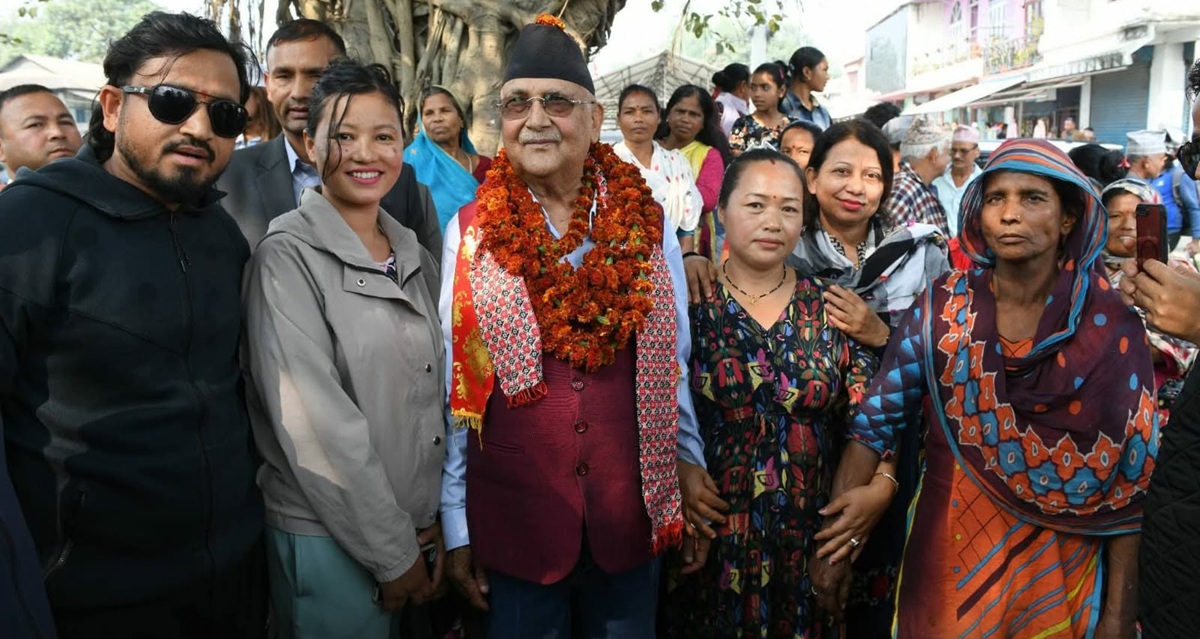
Oli has visited Jhapa four times since filing his nomination on January 19. Party sources say he has spent more than 18 days in the constituency during this period. On February 6, he intensified his door-to-door campaign, accompanied by central leaders. Later, on February 15, he returned again and unveiled a 42-point commitment paper, pledging continuity in development works and reiterating UML’s ambition to emerge as the largest party.
In public remarks, Oli has criticized what he termed “stunt politics” and populist narratives, asserting that such approaches lack clear ideology or policy direction. He has also claimed that misinformation and unverified content circulated through electronic media and digital platforms contributed to confusion among voters.
Despite official statements citing health considerations as a factor limiting his nationwide travel, some party insiders suggest the decision to remain in Jhapa-5 reflects strategic urgency. Internal assessments reportedly indicated a tighter race than in previous elections.
Local voters say the visible intensity of Oli’s campaign marks a departure from the past. Some residents in Gauriganj and Gauradaha noted that they had not seen him as frequently in earlier contests, even during challenging periods such as the 2008 election, when he faced defeat from Maoist candidate Bishwadeep Lingden.
For many, the current election represents a generational and political turning point. While Oli rose to prominence from the historic Jhapa rebellion of 1970 and has since dominated national politics, the present contest has brought renewed uncertainty.
As campaigning intensifies, UML leaders maintain that momentum is gradually building in their favor. Opposition figures, however, argue that Shah’s appeal among younger voters and dissatisfied cadres cannot be underestimated.
With Oli focusing exclusively on Jhapa-5 and prioritizing direct engagement over broader national travel, the constituency has emerged as a symbolic and strategic focal point. The final outcome, observers say, is likely to hinge on undecided voters and the effectiveness of last-mile mobilization.




Comment