




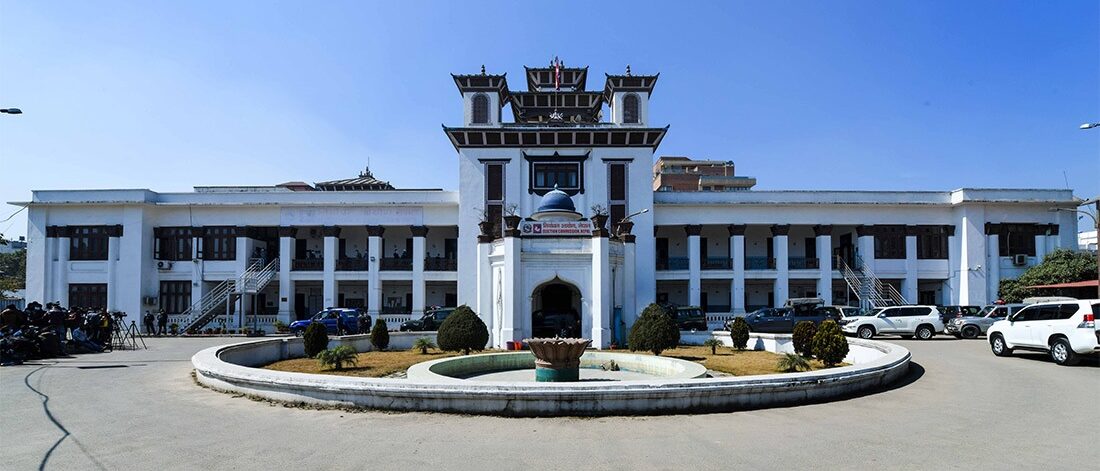
KATHMANDU: While the House of Representatives (HoR) elections are still scheduled for March 5, and the government and Election Commission (EC) insist they will go ahead as planned, there are several reasons why some observers and political actors think the polls could be difficult to hold on that date, or even be at risk of postponement or loss of credibility:
Constitutional and political tension
The elections were called after the House of Representatives was dissolved following the Gen‑Z protests on September 8-9, 2025. Some major parties, including a section of the Nepali Congress and CPN‑UML, are pushing for the reinstatement of the dissolved parliament rather than going to polls immediately.
A Nepali Congress leader, who wished to remain anonymous, said, “Many in our party believe the dissolved parliament should be reinstated. Going ahead with elections without resolving these political tensions could undermine the process.”
This deep political disagreement raises doubts about whether all parties have truly accepted the timetable, which in turn could affect execution.
Certain Gen‑Z groups themselves are contradictory in their stance, some support elections while others oppose the current process, arguing it doesn’t reflect the movement’s demands (e.g., direct executive election), adding to political uncertainty.
Security and environment concerns
Some political leaders and parties have expressed concerns that the security environment remains fragile, particularly after the unrest in September 2025. There are ongoing fears about escaped prisoners and looted weapons still in circulation, which some leaders say could make a safe and fear‑free election environment difficult to ensure. If voters feel unsafe or intimidated, turnout could be low or the election could be argued as not credible.
Logistical challenges and geography
Nepal’s geography and seasonal conditions also feed into doubts. Some leaders, including CPN‑UML chair KP Sharma Oli, have argued that March 5 is not suitable for high Himalayan and hill regions because of harsh weather, poor transport access, and seasonal migration, which may reduce meaningful participation in those areas.
Weather conditions during mid‑February to mid‑March are considered challenging for elections, especially in mountainous regions, and some electoral experts argue the date might have been set hastily without thorough weather forecasting.
Timing and preparations
Though authorities say preparations are well underway, critics point out that the pace of campaign organization, manifesto development, and security coordination still leaves uncertainties about whether all necessary structures will be in place in time. The Election Commission itself has noted there is still work left to do in the remaining weeks.
Political disbelief or skepticism
Former senior election officials and some political analysts have openly questioned whether elections can occur as scheduled without broader reforms or stronger consensus, especially because the original Gen‑Z uprising demanded deeper structural change, not just an early election.
However, despite all these concerns, the government and Election Commission remain publicly committed to holding the elections on March 5, asserting that security arrangements, logistical planning, and dialogue with parties are progressing. They emphasize that failure to hold elections on time would create constitutional problems given the interim government’s six‑month mandate to hold polls.






Comment