




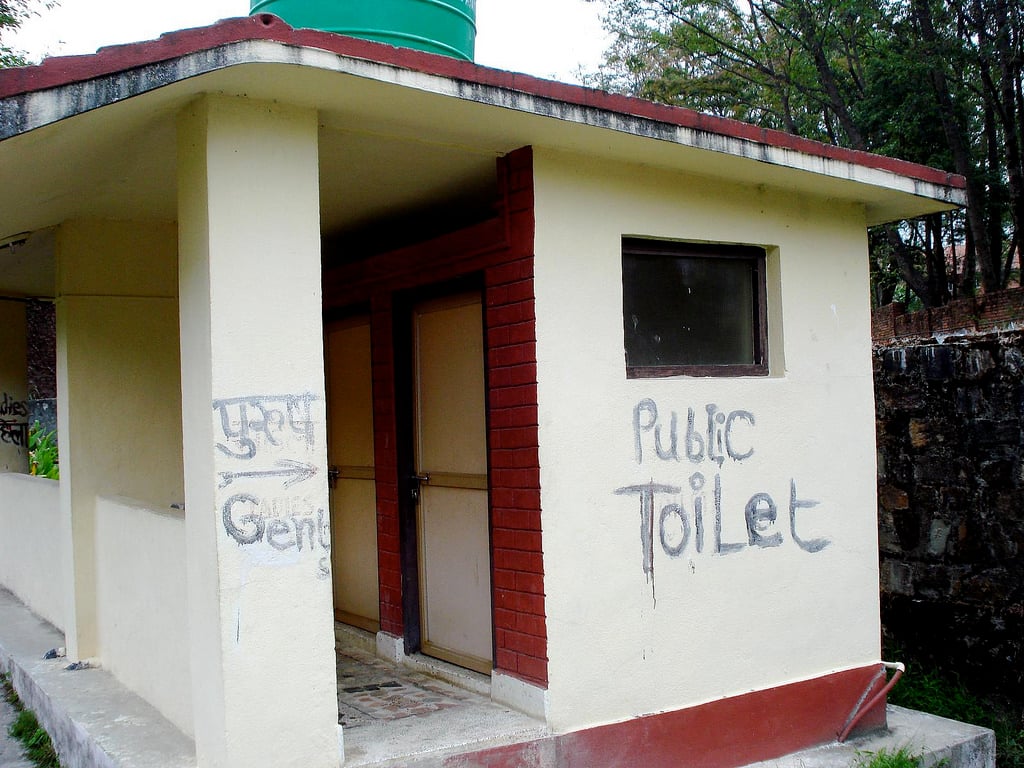
SIRAHA: Despite numerous government and NGO initiatives on health, sanitation, and public awareness in Madhes Province, a recent survey has revealed that over 4,000 households in Lahan municipality still lack toilet facilities.
The survey conducted by the municipality found that out of 24,700 households in Lahan, 4,200 — or 17 percent — remain without access to toilets, posing a serious threat to health and sanitation.
Mayor Mahesh Prasad Chaudhary shared the findings at a press conference on Tuesday, expressing concern over the situation. Lahan municipality was declared an open defecation-free zone in 2017, yet a significant number of households continue to practice open defecation. “It is worrying that so many households are still without this basic necessity. The time has come to reach every household and change the situation,” he said.
The mayor noted that Dalit, landless, poor, and disaster-prone settlements are particularly affected. Preliminary analysis by the municipality points to the lack of a fecal sludge management center and clean water as key factors perpetuating the problem. Many previously built toilets have been left unused or unrepaired.
To address the issue, the municipality plans to identify proper sites for toilets, including for landless squatters, and may even relocate some settlements to ensure access to sanitation facilities. Additionally, a three-month campaign will be launched, mobilizing people’s representatives, social activists, community associations, schools, and youth groups to visit households and raise awareness about the importance of toilets.
“Toilets are not only for defecation but also a symbol of health and dignity,” Mayor Chaudhary emphasized, adding that the success of sanitation drives depends on community participation.
World Toilet Day is observed annually on November 19. Globally, 3.4 billion people still live without safely managed sanitation.





Comment