




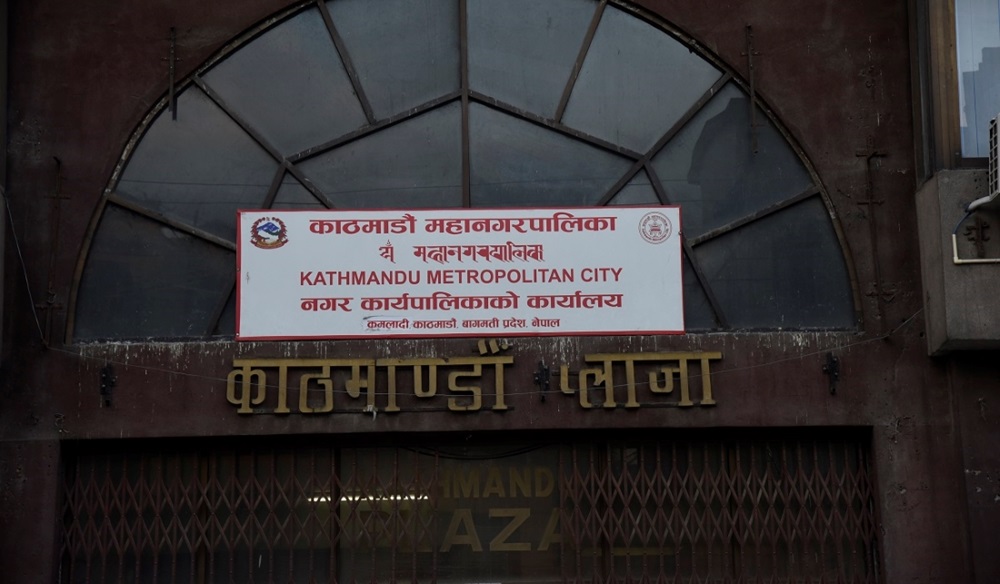
KATHMANDU: Kathmandu Metropolitan City’s (KMC) plan to expand its waste management system by setting up additional transfer stations has hit a roadblock, as the city has been unable to secure suitable land.
The Environment Department of KMC said the new transfer stations were intended to improve efficiency in waste handling and extend the lifespan of the overburdened Bancharedanda landfill site. Waste segregation at the source was also supposed to begin, but the initiative has yet to take off.
Department head Sarita Rai explained that KMC had divided the city into six zones based on population and geography, with one transfer station planned for each zone. These stations would collect waste before sending it to the landfill. “The plan is ready, but without land, implementation has not been possible,” Rai said.
Assistant spokesperson Dhruba Kumar Kafle added that legal procedures related to land acquisition remain incomplete, delaying the start of construction.
Currently, all waste from the 18 municipalities in the Kathmandu Valley is being transported directly to Bancharedanda, which has led to rising transportation costs and increasing pollution around the site. Authorities argue that decentralizing waste management through regional transfer stations would significantly reduce the burden.
Nepal’s Solid Waste Management Act (2011) and KMC’s Environment and Natural Resources Conservation Act (2020) both require segregation of biodegradable and non-biodegradable waste at the household level. Under KMC’s plan, only 20 percent of properly sorted waste would be sent to Bancharedanda, while the rest would be processed by private service providers. At present, private firms handle waste in all but nine of KMC’s wards.
The Kathmandu Valley produces around 1,600 metric tons of waste every day. After the former Sisdol landfill reached capacity, Bancharedanda has been the city’s sole disposal site for the past two years.
Biodegradable waste includes items such as vegetables, leftover food, fish, meat, eggshells, fruit peels, tea leaves, and dry leaves, while plastics, glass, paper, clothes, shoes, wood, rubber, cement bags, bottles, and scrap metals fall under non-biodegradable waste.
Until land acquisition hurdles are cleared, however, KMC’s ambitious plan to modernize waste management remains on hold.






Comment