




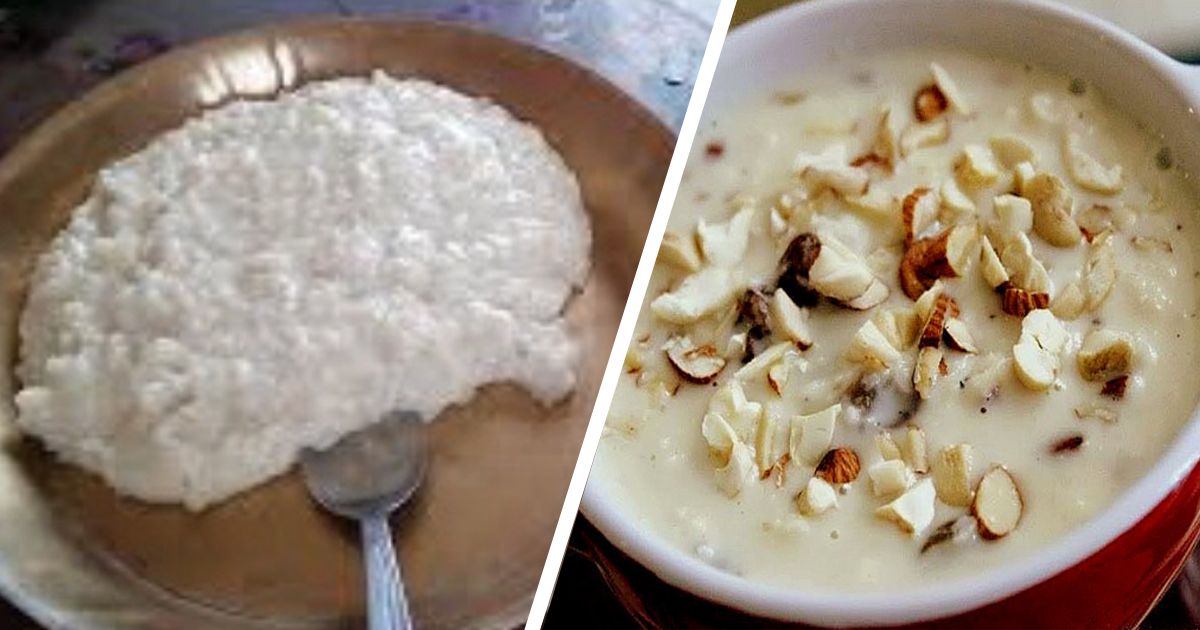
KATHMANDU: The 15th of Shrawan is being celebrated today with the traditional consumption of ‘kheer’, a sweet rice pudding made with milk.
This culinary tradition, deeply rooted in Nepali culture, follows a seasonal pattern—dahi chyura (curd and beaten rice) is eaten on Asar 15, and kheer is enjoyed on Shrawan 15 during the monsoon season.
According to cultural expert and theologian Dr. Ramchandra Gautam, ‘kheer’, also known as payas in Sanskrit, is regarded as a sacred and sattvic (pure) food in Vedic texts. It is often offered to ancestors and deities in various Hindu rituals.
“During Shrawan, farming is in full swing and greenery flourishes. With more grass available, cows and buffaloes produce more milk. As a result, it became customary to prepare kheer, invite friends and family, and share this nourishing dish,” Dr. Gautam explained.
Shrawan is also dedicated to Lord Shiva, who is traditionally offered milk and milk-based sweets like kheer. While there is no direct scriptural mention of celebrating Shrawan 15 with kheer, religious scholars believe the custom may have emerged from this symbolic association with Shiva and milk.
The Nepali Brihat Shabdakosh (Comprehensive Dictionary) defines kheer as “rice or other ingredients cooked in milk with sugar and spices—a delicious dish or sweet paste.”
Similar culinary customs are observed on the 15th of various months: dahi chyura on Asar 15, roasted corn on Bhadau 15, ghee and sour foods on Poush 15, and malpua on Magh 15—typically shared with friends and daughters as part of seasonal celebrations.
To promote this cultural tradition, the National Dairy Development Board officially observes Shrawan 15 as Kheer Day.






Comment