




KANCHANPUR: Dengue, which was once limited to the summer and monsoon seasons, is now being reported throughout the year in Nepal’s Sudurpaschim Province.
Experts attribute this worrying trend to the effects of climate change, including prolonged mosquito breeding seasons, abnormal temperature increases, and irregular rainfall patterns.
According to Hemraj Joshi, Information Officer at the Sudurpaschim Provincial Health Emergency Operations Center, climate change is enhancing mosquitoes’ ability to spread disease.
“Temperature fluctuations and changes in the rainfall cycle have increased the risk of dengue transmission,” he said.
“In the past, dengue was typically seen only in the warmer, wetter months, but now we are seeing cases even during the colder periods. Rising temperatures are creating an environment where mosquitoes can survive year-round.”
He explained that the life cycle of mosquitoes is now being sustained throughout the year, making dengue a persistent challenge.
From January to June 2025, as many as 167 dengue cases were recorded in Sudurpaschim Province. Monthly data shows 22 cases in January, 27 in February, 17 in March, 40 in April, 34 in May, and 20 cases so far in June.
Among the districts, Dadeldhura reported the highest number of cases with 34, followed by Kailali with 31. Kanchanpur recorded 29 cases, Doti 25, Achham 24, Bajhang and Bajura 11 each, and Darchula 2. No cases have been reported in Baitadi during this period.
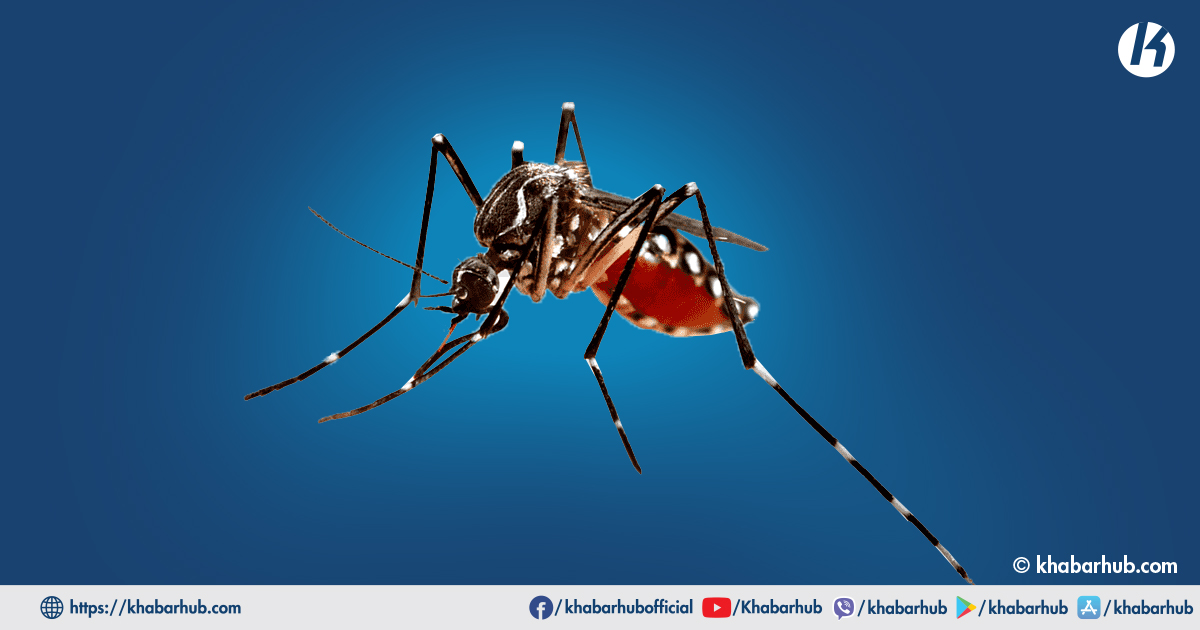
Dengue is transmitted through the bite of infected Aedes aegypti mosquitoes.
Joshi noted that the problem is being worsened by poor management of stagnant water and plastic waste, which provide breeding grounds for mosquitoes. “Dengue should no longer be seen as a seasonal disease. Precautions must be taken throughout the year,” he stressed.
He emphasized the need for a climate-adaptive sanitation strategy, more public awareness, and regular campaigns to destroy mosquito larvae.
As the rainy season approaches, there is a heightened risk of a surge in dengue cases, making environmental cleanliness even more critical.
Health experts recommend preventive measures such as wearing long-sleeved clothing in the morning and afternoon when mosquito activity is highest, using bed nets, and regularly emptying water from containers like tanks, buckets, and tires. Schools are also encouraged to run dengue awareness programs.
“Dengue infection is highly likely to spread during the summer and monsoon seasons,” said Paramananda Bhatta, head of the Health Division at Shuklaphanta Municipality.
“It’s vital to scale up public awareness and sanitation efforts during this time. Dengue is preventable if proper precautions are followed.”






Comment