




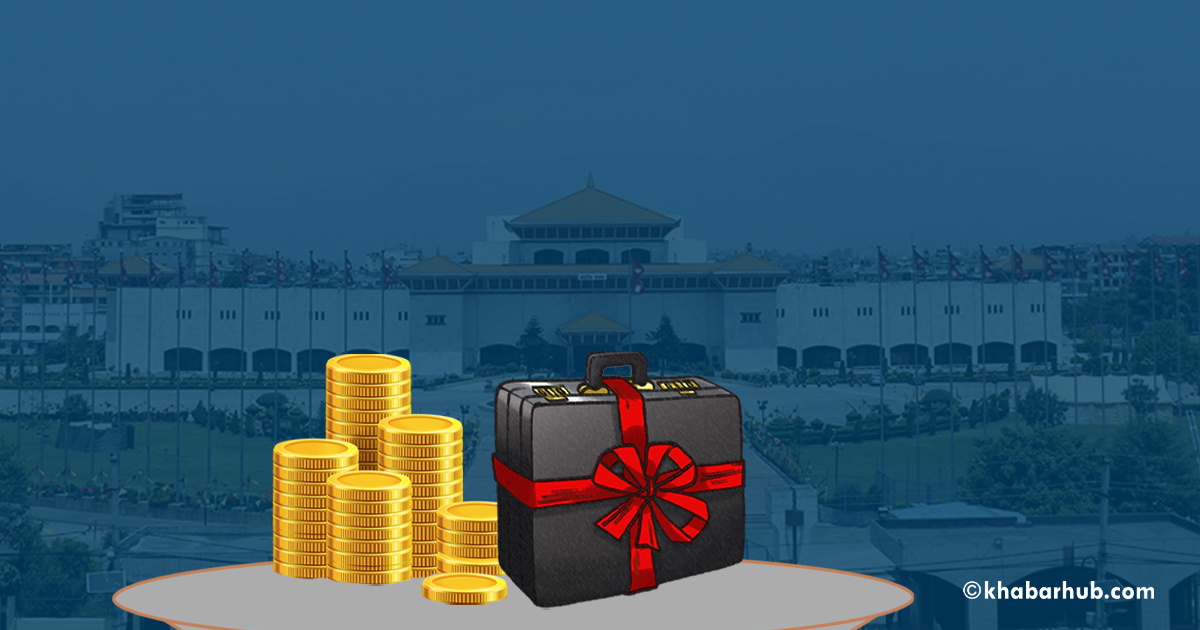
KATHMANDU: As the fiscal year nears its end, Nepal’s government is preparing to unveil a new federal budget exceeding Rs 1.9 trillion for fiscal year 2025/26, even as past performance raises serious concerns about implementation and funding gaps.
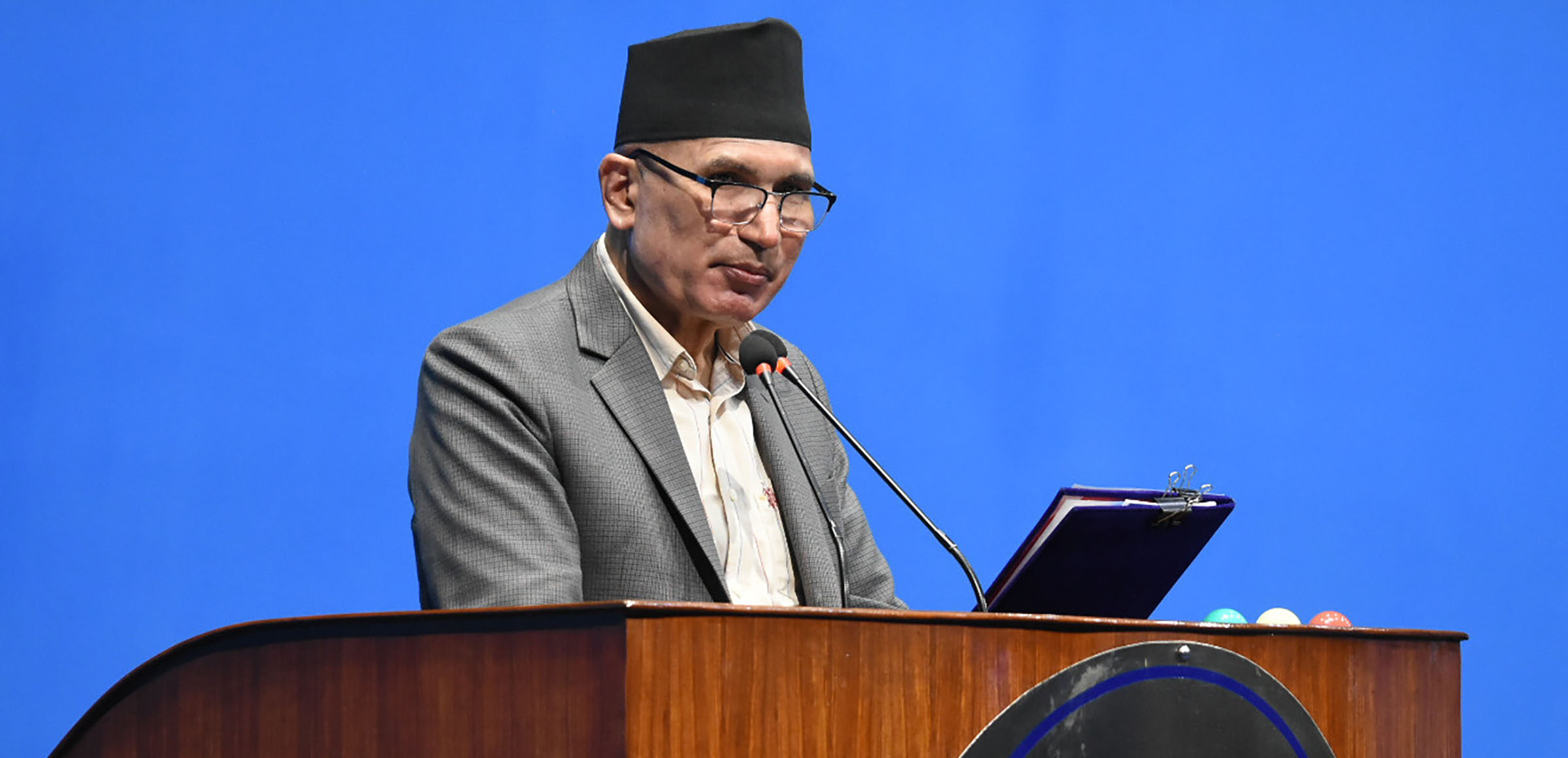
Finance Minister Bishnu Prasad Paudel is expected to announce the budget on May 29, amid a growing chorus of criticism over chronic under-execution, ballooning debt, and rising political interference.
Last year, then-Finance Minister Dr. Prakash Sharan Mahat presented a budget of Rs 1.751 trillion for fiscal year 2023/24, promising “effective and result-oriented mobilization of resources.”
However, just seven months later, Mahat himself slashed the budget by Rs 221 billion, citing revenue shortfalls, unfulfilled foreign aid expectations, and a negative fiscal reserve. The revised budget of Rs 1.53 trillion still proved too ambitious: actual spending stood at only Rs 1.408 trillion by year-end, with capital expenditure execution at just 63.47 percent.
Following a change in government, Paudel took over the Finance Ministry and initially tabled a budget of Rs 1.860 trillion for the ongoing fiscal year 2024/25. Yet again, reality fell short.
On February 6, Paudel reduced the budget size by Rs 168 billion, bringing it down to Rs 1.692 trillion. With only Rs 1.177 trillion spent so far and less than two months left in the fiscal year, it appears unlikely that final expenditures will even reach Rs 1.5 trillion.
Despite this track record, Paudel is gearing up to present an even larger budget for fiscal year 2025/26. The National Planning Commission had earlier set a budget ceiling of Rs 1.906 trillion, with a resource gap of Rs 637.55 billion.
But internal sources within the Ministry of Finance report that requests for budget allocations from ministries and political leaders have exceeded Rs 2.5 trillion.
Political interference has been a persistent issue. Officials say budget preparations are influenced by high-level pressure from across the political spectrum, including the residences of Prime Minister KP Sharma Oli and opposition leader Sher Bahadur Deuba.
In some cases, MPs are directly intervening in the budget-making process, seeking funding for constituency projects. The Finance Minister is reportedly allocating Rs 2.1 billion per constituency under the controversial Parliamentary Constituency Infrastructure Development Program—totaling over Rs 34.65 billion.
The upcoming budget is also expected to include more than a dozen politically motivated programs aimed at appeasing powerful individuals and business groups, according to ministry insiders. This has raised concerns that the budget will prioritize short-term political gains over long-term economic stability.
If the government proceeds with the proposed Rs 1.906 trillion budget, the resource gap alone will require at least Rs 600 billion in new debt.
The Ministry plans to raise Rs 45 billion in foreign grants, Rs 235 billion in foreign loans, and Rs 357.46 billion in domestic loans. But revenue collection trends suggest these targets may not be realistic. Out of the Rs 1.471 trillion targeted for the current year, only Rs 970.16 billion has been collected in the first 10 months.
Public debt is expected to grow sharply. Analysts note that debt spikes have historically coincided with KP Sharma Oli’s tenure as Prime Minister. Between 2017 and 2020, public debt nearly doubled from Rs 917 billion to Rs 1.737 trillion. Despite massive borrowing, the government consistently failed to meet capital expenditure and revenue targets.
The Finance Ministry now faces the difficult task of drafting a “realistic and implementable” budget. But with Singh Durbar mired in political demands, insiders admit the upcoming budget may once again become a “camel-shaped document”—overambitious, imbalanced, and difficult to execute.
As Paudel prepares to unveil the new fiscal policy, the question remains: will this be a pragmatic roadmap for economic recovery, or another chapter in Nepal’s growing cycle of budgetary overreach and fiscal strain?




Comment