





KATHMANDU: Different countries are announcing ambitious plans to cut their emissions and decarbonise their economies. Just two countries, China and the US, are responsible for more than 40% of the world’s CO2 emissions.
With CO2 levels still on the rise, being able to track the global emissions hotspots is becoming more important than ever. Before the industrial revolution, levels of atmospheric CO2 were around 280 parts per million (ppm). By 2013, that level had breached the 400ppm mark for the first time. On 3 June 2019 it stood at 414.40ppm.
Here’s a snapshot of how 5 countries plan to turn their commitments into reality.
Ireland
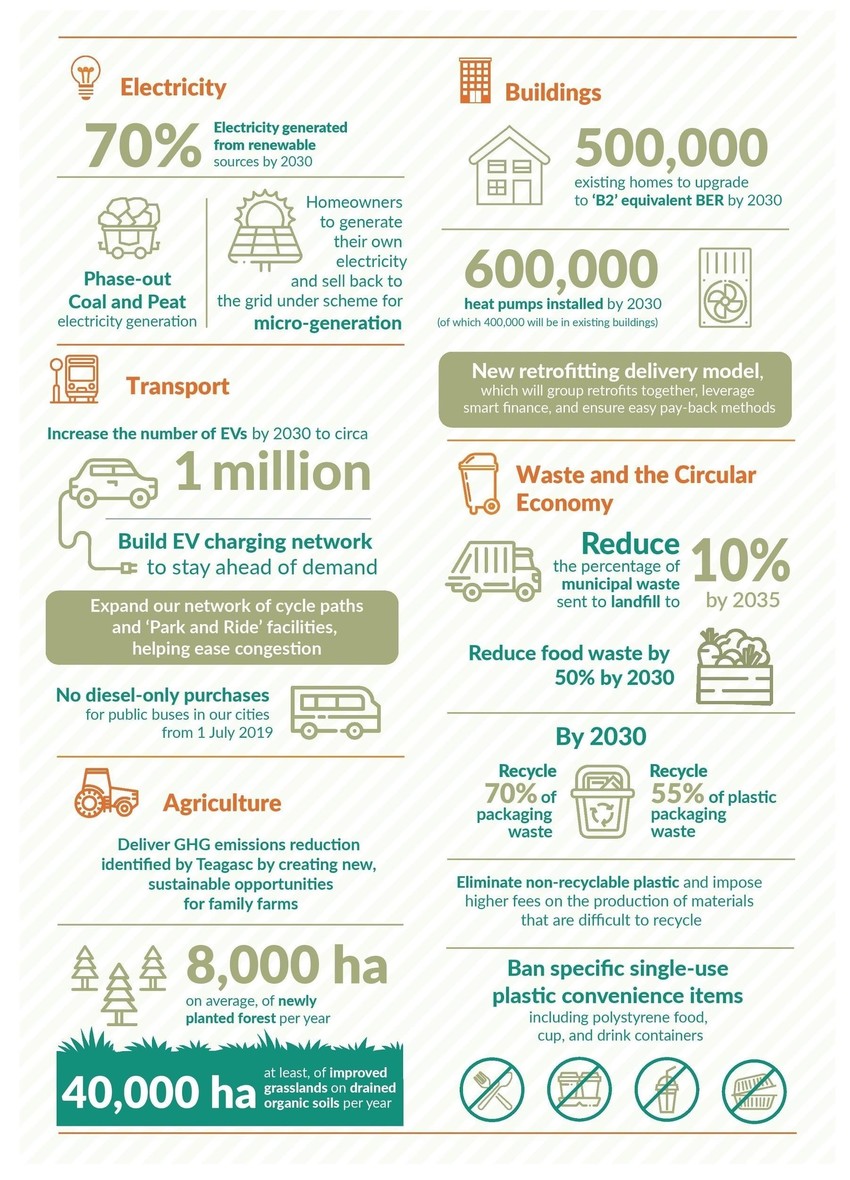
Ireland’s climate change plan includes action in areas such as transport, agriculture and electricity.
It includes a plan to retrofit homes to make them more energy efficient. From July 2019, no more diesel-only buses will be bought for Irish cities.
United Kingdom
The UK government committed to net zero greenhouse gas emissions by 2050. This means that all emissions will need to be avoided or offset by, for example, carbon capture.
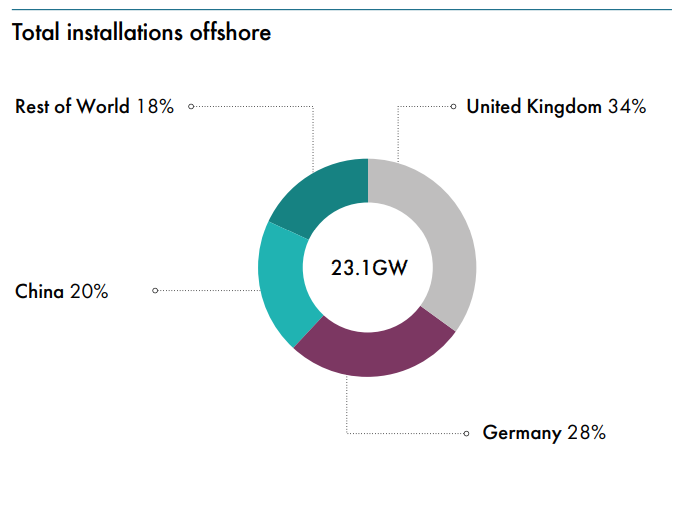
The UK is already the world leader in offshore wind power, but meeting this target will require widespread change and, according to the Chancellor Phillip Hammond, a lot of money – although others have disputed his £1 trillion figure. The government plans to plant 11 million trees by 2022 and has also pledged significant funding into carbon capture and other technology to tackle climate change.
Costa Rica

Costa Rica also wants to achieve net zero emissions by 2050. A key part of its plan is turning transport electric. It includes creating a new electric train line, connecting a quarter of a million people each day in the San Jose area.
On top of that, the government wants to see all buses and taxis run on electricity by 2050 – although critics have said this will be difficult to achieve.
The government has also worked to reverse deforestation, that saw forest cover drop to just 26% in the early 1980s.
Chile
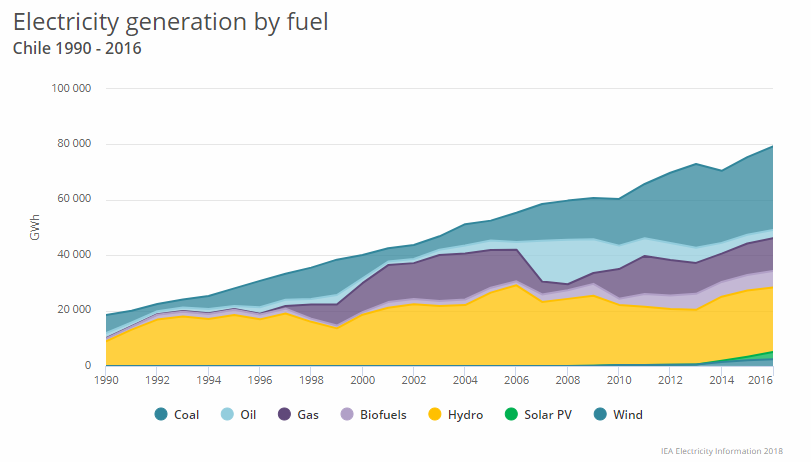
The South American country recently announced its plan targeting carbon neutrality by the middle of the century. To achieve this, it plans to phase out coal, shutting all its coal power plants in 21 years’ time – with eight going by 2024.
No small challenge, when you see the contribution coal continues to make to the country’s electricity generation. The government has said all industries will need to be carbon neutral by 2050, only emitting as much CO2 as can be absorbed.
Sweden
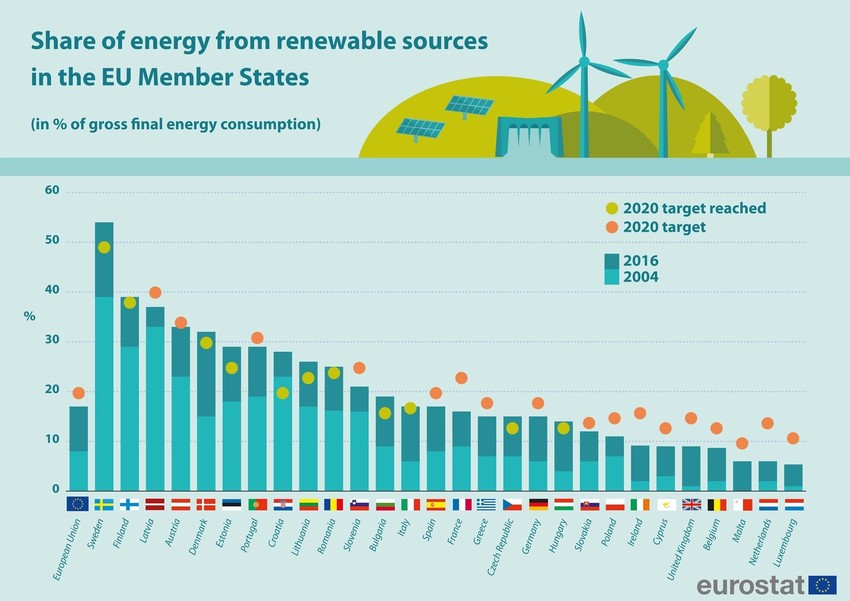
Often touted as a leader in renewable electricity generation – the Nordic country already generates more than half its electricity from renewable sources, according to Eurostat.There are more than 200 across the country, offering free and impartial advice on everything from replacing windows to your heating system and lights. It’s all part of Sweden’s target to achieve no net greenhouse gas emissions by the middle of the century.
Text/Photo: Weforum






Comment