




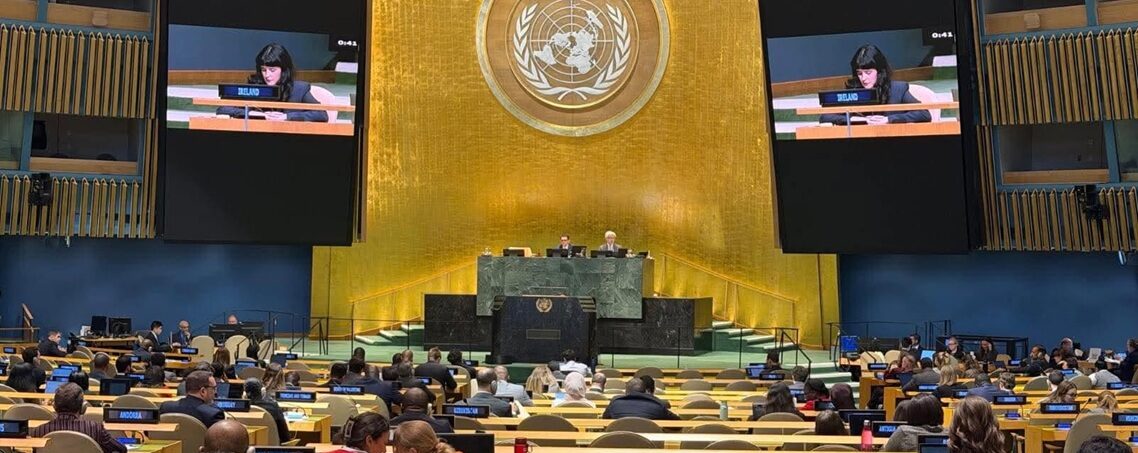
KATHMANDU: The United Nations General Assembly (UNGA) has approved an additional three years for Nepal and Bangladesh to prepare for graduation from the Least Developed Country (LDC) category, postponing their transition deadline until November 24, 2029.
The decision was taken unanimously during the Assembly’s 81st session in New York following a joint initiative by the two countries. Resolution 81/L.8 formally grants both nations an extended preparatory period before graduating from the LDC category.
Khalilur Rahman, president of the 81st session of the General Assembly and Bangladesh’s foreign minister, said the decision reflected the economic uncertainties, external shocks and structural vulnerabilities confronting the two countries. He stressed that additional time should be used to strengthen development foundations rather than simply delay graduation.
“Graduation should advance development, not disrupt it,” Rahman said, adding that genuine progress should be assessed through stronger resilience, meaningful reforms and sustainable development outcomes.
Nepal submitted its formal request for an extension in May 2026, arguing that the country needed additional time to reinforce its economic resilience, expand productive capacity and strengthen institutional readiness before losing the international support measures available to LDCs.
Nepal was originally scheduled to graduate on November 24, 2026. The General Assembly had approved this timeline in November 2021, granting Nepal an exceptional five-year preparatory period instead of the standard three years because of the socioeconomic disruptions caused by the COVID-19 pandemic. The latest resolution now postpones the transition by another three years.
On May 13, 2026, Nepal formally approached the chair of the CDP, seeking an extension of the preparatory period until November 2029. The Ministry of Foreign Affairs highlighted changing domestic and international economic and political conditions, geopolitical tensions, disruptions to global supply chains and potential risks to remittance inflows as key considerations behind the request.
The additional three-year period is expected to provide Nepal with greater scope to implement the strategy, strengthen economic fundamentals, improve competitiveness and prepare for the eventual withdrawal of international support measures specifically available to LDCs.






Comment