




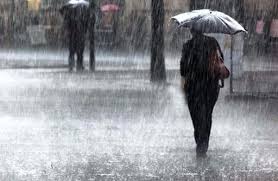
KATHMANDU: Health experts have warned of a growing risk of infectious diseases across Nepal as rising temperatures, erratic weather patterns, and the onset of the monsoon contribute to a seasonal increase in illnesses.
According to the Epidemiology and Disease Control Division (EDCD) under the Ministry of Health and Population, a total of 1,655 cases of various communicable diseases and health conditions have been recorded across the country.
The latest surveillance data show that diarrhoeal disease remains the biggest public health concern, accounting for 720 reported cases. The EDCD also recorded 488 cases of influenza-like illness, 339 cases of severe acute respiratory infection, 53 dengue infections, 19 scrub typhus cases, 18 cases of fever with rash, nine cases of fever with jaundice, and five confirmed influenza cases.
Bagmati Province has reported the highest number of diarrhoea cases, with 381 infections. Sudurpashchim recorded the largest number of influenza-like illnesses with 174 cases, followed by Bagmati with 148. Severe acute respiratory infections were most common in Bagmati, where 98 cases were reported, followed by Lumbini with 80.
Dengue infections were highest in Lumbini Province, where 22 cases were recorded within a week. Of the 19 scrub typhus cases reported nationwide, 17 were detected in Sudurpashchim Province.
Common monsoon illnesses
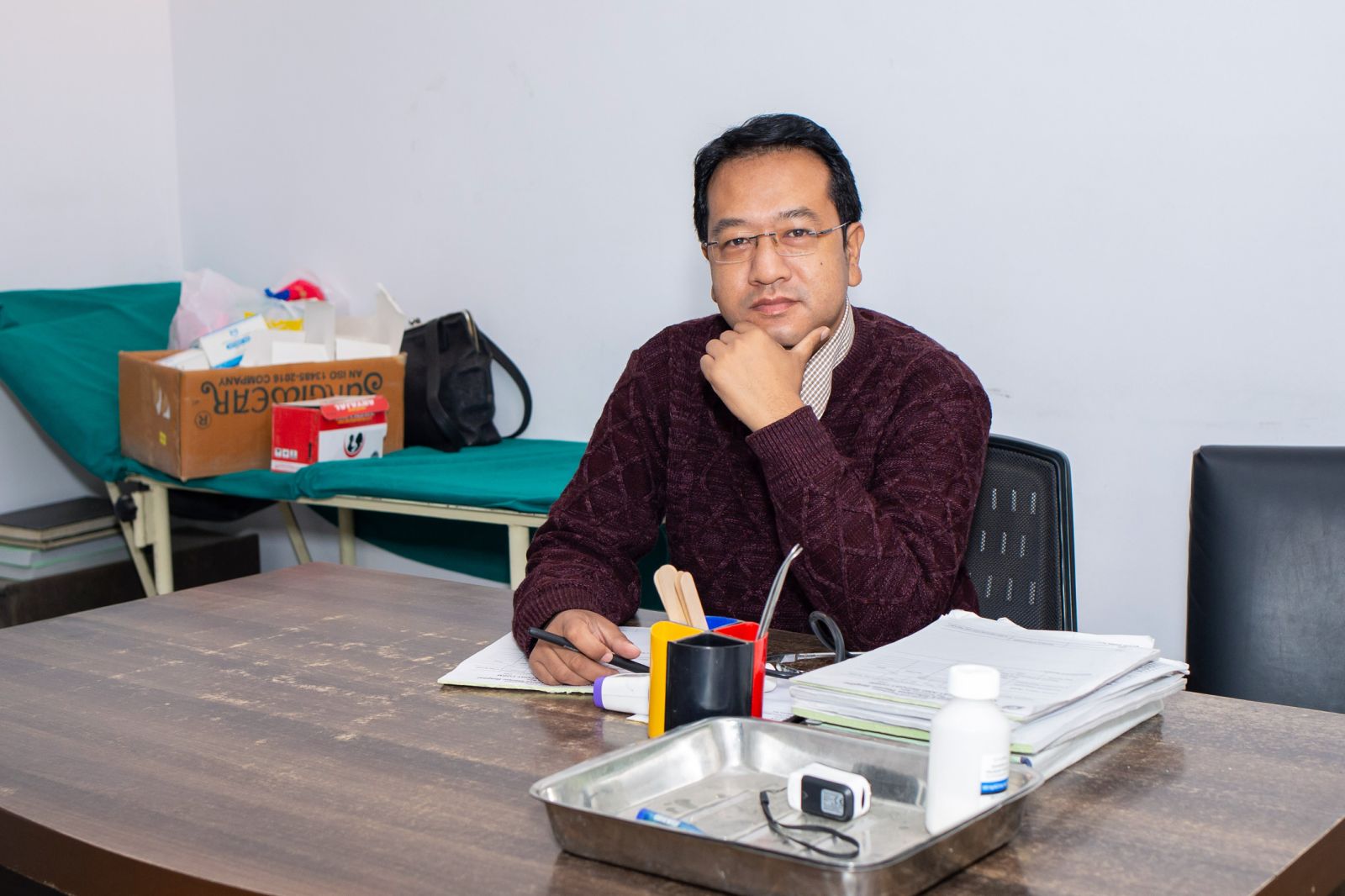
According to infectious disease specialist Dr. Sher Bahadur Pun of Sukraraj Tropical and Infectious Disease Hospital, the rainy season significantly increases the risk of waterborne, foodborne, and vector-borne diseases.
He said contaminated food and drinking water can spread typhoid, dysentery, diarrhoea, cholera, and hepatitis, while mosquito bites increase the risk of dengue, malaria, and Japanese encephalitis. Scrub typhus and kala-azar may also occur through insect and mite bites.
Cholera, caused by the bacterium Vibrio cholerae, spreads when drinking water is contaminated with sewage or human waste. The disease can also spread through contaminated food handled by infected individuals and can be fatal without timely treatment.
Common symptoms include profuse watery diarrhoea, sudden vomiting, intense thirst, and muscle cramps. Health experts advise people to drink only boiled or purified water, wash their hands frequently with soap and water, and maintain good personal hygiene.
Dengue, transmitted by the Aedes aegypti mosquito, typically causes fever, severe headache, pain behind the eyes, body aches, nausea, dizziness, and skin rashes. Preventive measures include eliminating stagnant water around homes, wearing full-sleeved clothing, using mosquito nets, and applying insect repellent.
Scrub typhus is transmitted through bites from infected chigger mites carrying the bacterium Orientia tsutsugamushi. Symptoms include fever, body aches, skin rashes, and a characteristic black scab at the site of the bite. Experts advise avoiding sitting in bushes or grassy areas, wearing protective clothing while working outdoors, and avoiding walking barefoot.
Dr. Pun also warned that rainwater often contaminates water sources, making it essential to boil drinking water and consume freshly cooked food to reduce the risk of food poisoning.
Snakebite risk also rises during monsoon

Health professionals have also warned that snakebite cases increase significantly during the monsoon, particularly in the Tarai and Inner Madhesh regions.
According to anesthesiologist Dr. Dipendra Mahaseth of Kohalpur Medical College, the risk is highest during the month of Shrawan, with nearly 90 percent of krait bites being preventable through basic precautions.
Symptoms of venomous snakebite may include abdominal pain, vomiting, muscle weakness, drooping eyelids, difficulty swallowing or speaking, excessive salivation, and progressive breathing difficulty.
Doctors recommend sleeping above ground level under mosquito nets, carrying a torch when walking outside at night, keeping vegetation around homes clear, checking shoes before wearing them, keeping poultry sheds away from houses, and avoiding placing hands into holes or dark corners without checking first.
Health experts have urged the public not to ignore symptoms during the ongoing weather fluctuations and to seek immediate medical attention if signs of serious illness appear.





Comment