




KANCHANPUR: A total of 2,634 tourists visited Shuklaphanta National Park during the first six months of the current fiscal year. According to the park office, 1,629 of them were men and 1,005 were women.
Among the visitors, 2,278 were domestic tourists. In addition, 244 tourists from SAARC countries—including 49 women and 195 men—and 112 tourists from other countries, including 49 women and 63 men, visited the park, said Purushottam Wagle, the park’s information officer.
The highest number of visitors—621—was recorded in Chaitra. Other monthly figures include 580 in Kartik, 293 in Mangsir, 376 in Poush, 369 in Magh, and 386 in Falgun. The park generated revenue of Rs 1.467 million from tourism during this period.
Known for its rich biodiversity, rare wildlife, and tranquil environment, the park has increasingly become a preferred destination for tourists. Although the number of foreign visitors declined slightly after the COVID-19 pandemic, it has been gradually rising in recent years.
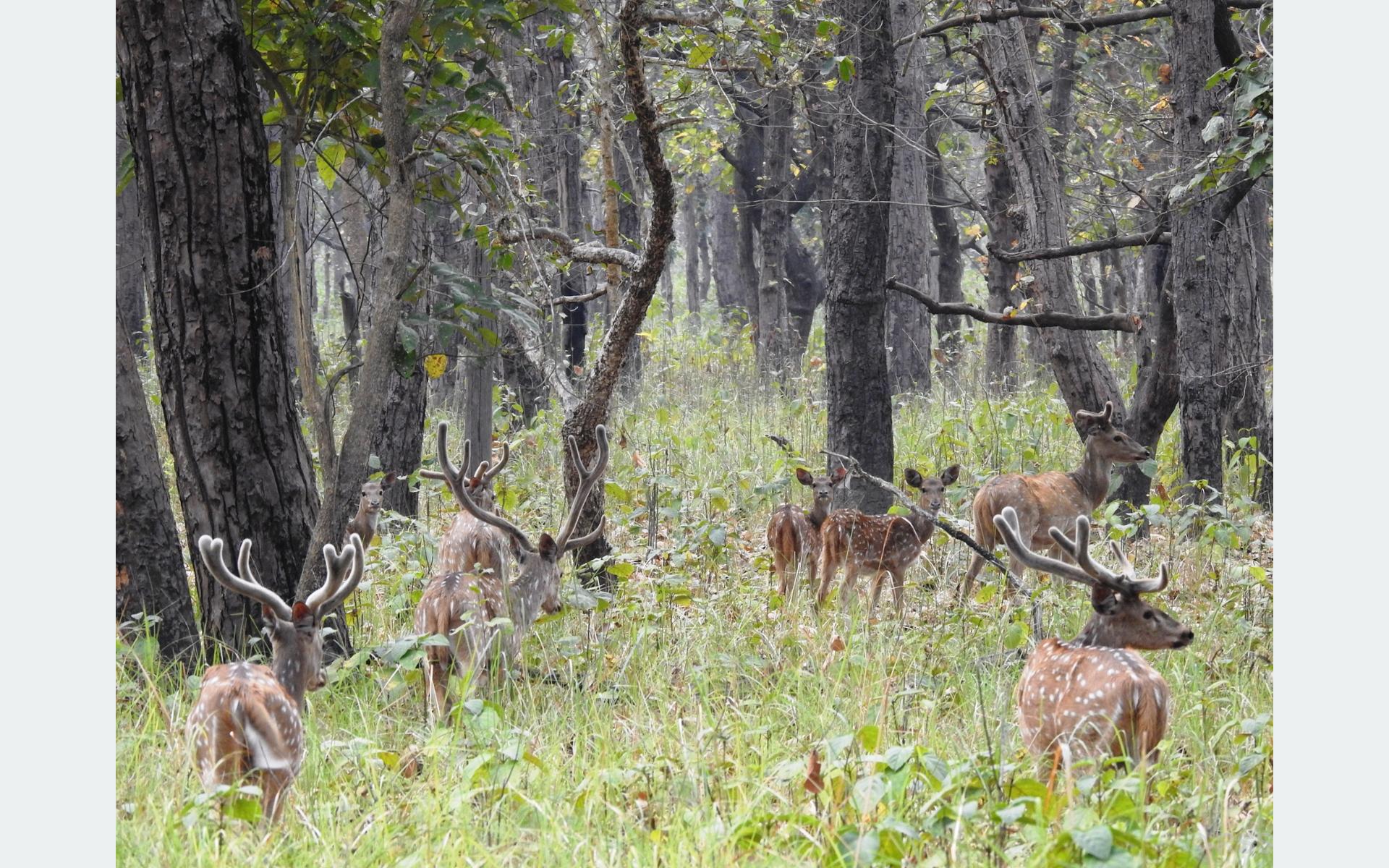
“This park, which features Nepal’s largest grassland, is home to leopards, deer, and many rare wildlife species, along with diverse plant life. Both domestic and international tourists visit for observation as well as research on its natural beauty and biodiversity,” Wagle said.
According to park records, 3,762 people visited the park in the fiscal year 2080/81 BS, including 132 foreign tourists and 112 from SAARC countries. In fiscal year 2081/82 BS, a total of 3,322 visitors were recorded, including 199 from SAARC countries and 152 from other nations.
Dinesh Malla, president of the Kanchanpur Chamber of Commerce and Industry, said the park’s vast grasslands and the opportunity to observe numerous rare species within a relatively small area make it especially attractive to visitors.
“Shuklaphanta has strong potential to attract more tourists if properly promoted. Its biodiversity has not yet received adequate publicity, and all stakeholders should work together to improve promotion efforts,” he said.
Spanning 305 square kilometers, the park is particularly famous for its population of swamp deer (barasingha). Currently, more than 2,323 of these deer inhabit the park.






Comment