




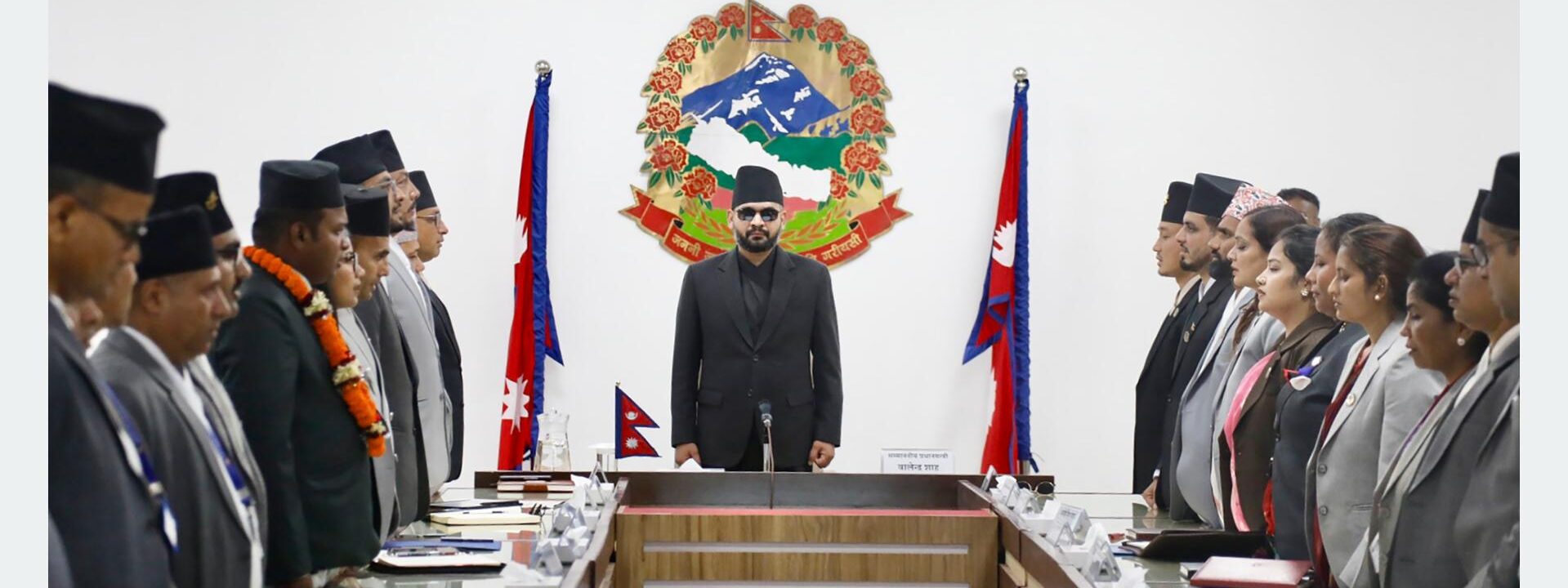
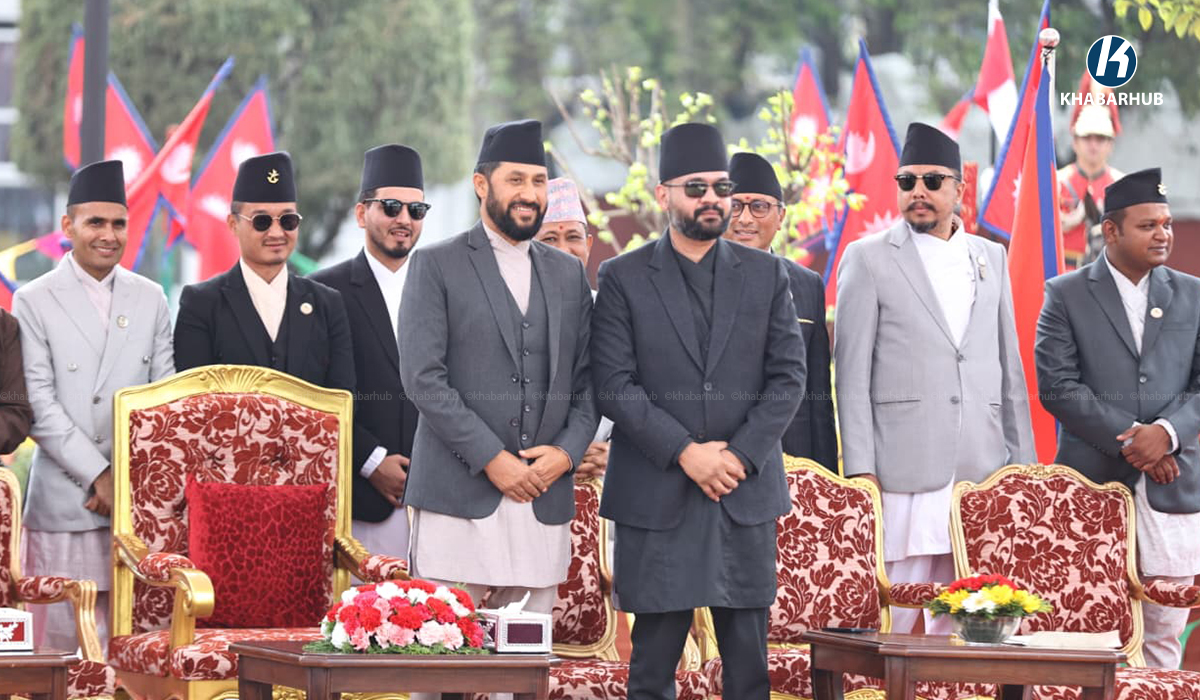
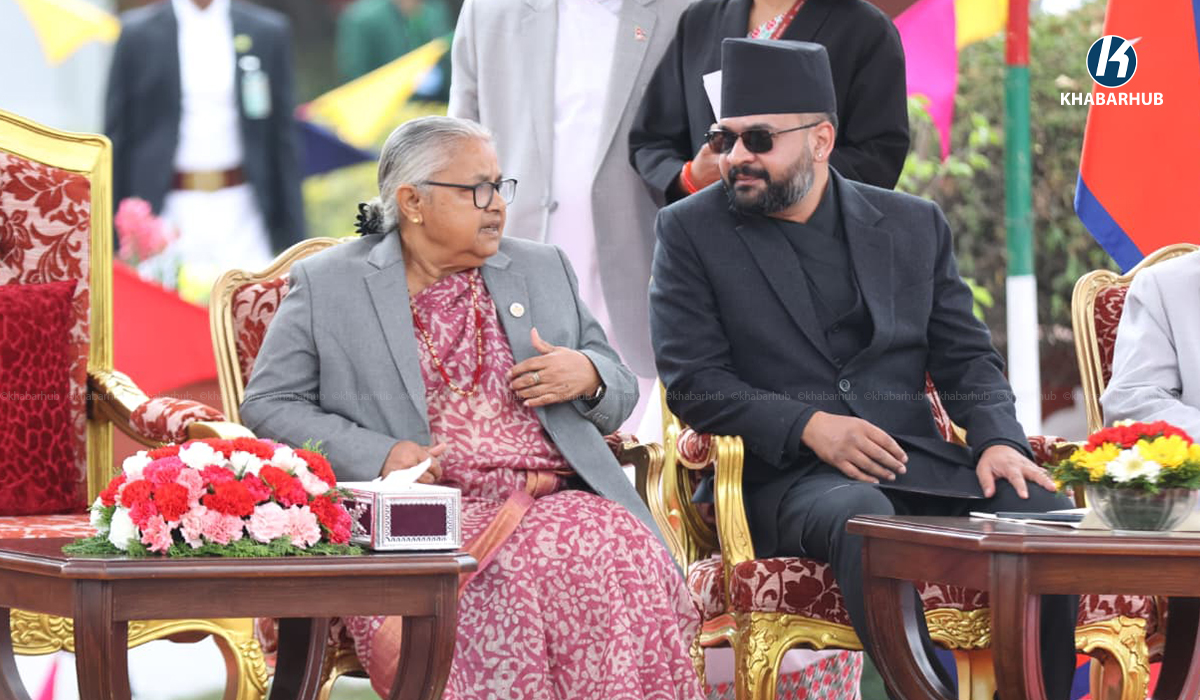
KATHMANDU: Nepal has entered a new political phase with the appointment of Balendra Shah, popularly known as Balen, as Prime Minister. At 36, the senior leader of Rastriya Swatantra Party is one of the youngest leaders in the country’s history, heading a government formed with a clear majority in the House of Representatives.
The administration follows years of political instability, widespread public dissatisfaction with traditional parties, and a surge in youth-led movements demanding accountability and systemic reform. Unlike previous coalition governments, the Rastriya Swatantra Party’s landslide victory gives Shah a significant parliamentary advantage, allowing him to make policy decisions, pass laws, and implement reforms with relatively less negotiation or compromise.
Balen enters office with a rare opportunity to implement bold reforms and demonstrate decisive governance, but his administration faces deep-rooted institutional weaknesses, economic pressures, and high public expectations. Translating electoral popularity into sustainable national policy will require more than the high-visibility, immediate-impact style that defined his tenure as Kathmandu mayor.
Shah’s reputation as a leader with visible results stems from his time as mayor of Kathmandu, where he demonstrated a willingness to confront entrenched interests, enforce accountability measures, and implement high-profile reforms.
Projects under his leadership were designed for immediate impact, signaling a break from the perceived inertia of traditional political leadership. His direct approach and appeal to younger voters helped consolidate his image as a reform-minded outsider capable of challenging the political status quo.
Yet local-level governance differs sharply from national leadership. Managing a federal government requires coalition-building across provinces, navigating complex bureaucracies, and maintaining party unity. Shah’s ability to scale his leadership style from a metropolitan city to an entire nation remains uncertain. National governance demands balancing immediate action with long-term planning, institutional development, and sustained policy implementation—skills only partially tested during municipal administration.
The administration inherits systemic challenges. Public institutions have historically struggled with budget absorption, project delays, and procedural inefficiencies. Large-scale infrastructure development often suffers from slow implementation and limited oversight. Meaningful reform will require careful planning, efficient resource allocation, and consistent monitoring. Institutional changes must be sustainable and resilient, not dependent solely on the visibility of leadership or high-profile interventions.
Economic development poses another critical challenge. The government must create jobs, promote domestic production, and ensure equitable growth. Balancing private sector interests with public welfare will demand thoughtful policy design. Nepal’s strategic location between India and China offers both opportunities and complications for trade, investment, and diplomatic engagement, requiring careful navigation to safeguard national interests.
Social expectations are equally high. Citizens anticipate improvements in governance, transparency, and service delivery in areas including health, education, and urban management. This pressure adds urgency to the administration’s work, demanding results that are both visible and meaningful while addressing deeper structural issues.
Balen’s record shows both promise and limitations. His ability to mobilize public support, capture attention, and implement high-visibility initiatives is established. However, national governance requires coalition-building, strategic diplomacy, bureaucratic negotiation, and oversight across multiple policy domains. The administration will be tested on whether it can transform its popular mandate into lasting institutional change, rather than episodic spectacle.
The government also faces economic pressures, unemployment, and global uncertainties, including trade disruptions, regional conflicts, and remittance volatility. Success will demand strategic planning, pragmatism, disciplined execution, and a clear commitment to reform.
Balen’s government steps into office with high public expectations, particularly among youth and reform-minded citizens. The government has an opportunity to implement bold reforms, strengthen institutions, and set new standards for transparency and accountability. Yet the road ahead is complex, requiring a careful balance between immediate action and long-term institutional development.
Nepal’s citizens, who voted for change, will watch closely. Success will depend not only on visible achievements but on the administration’s ability to deliver services effectively, build resilient institutions, and guide the country’s development with both vision and pragmatism.






Comment