




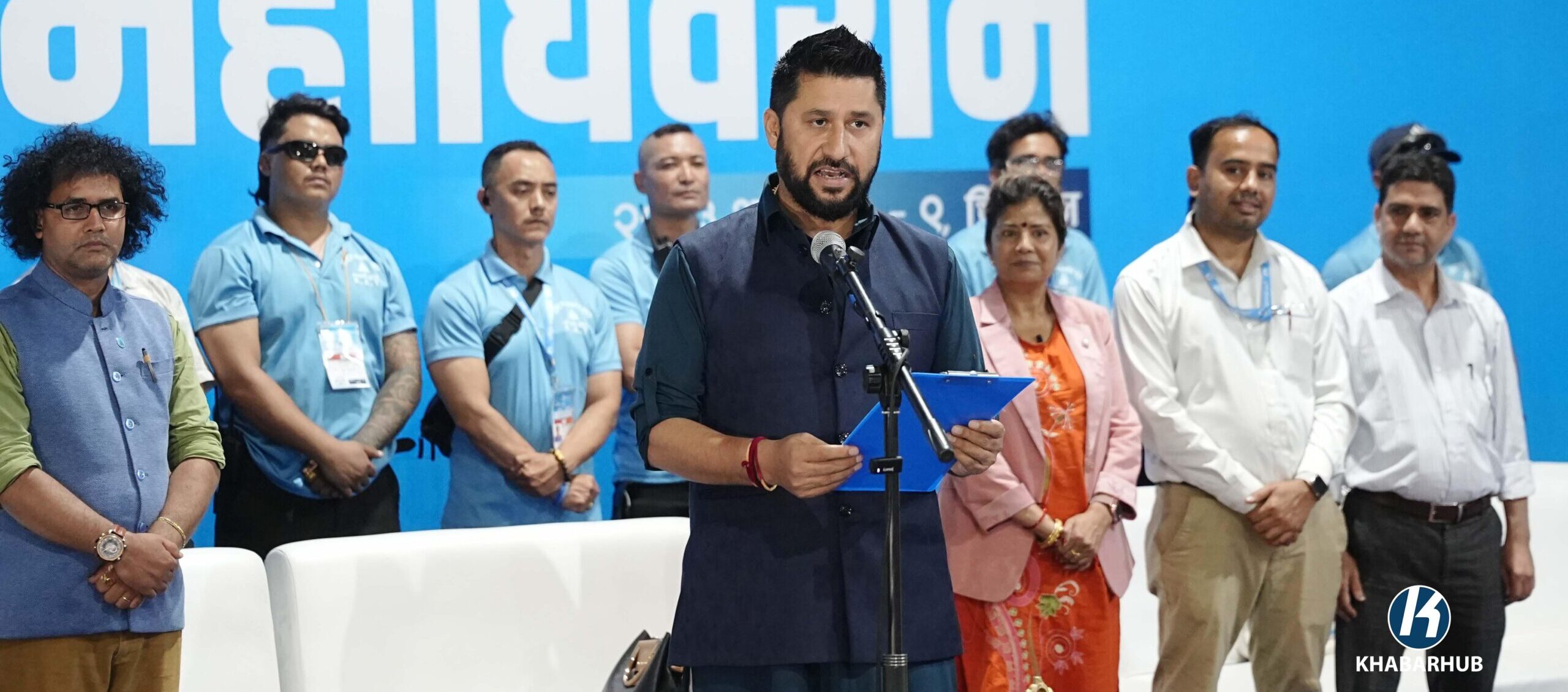
KATHMANDU: The first general convention of the Rastriya Swatantra Party (RSP), expected to showcase the party’s promise of a new political culture, concluded after six days with mounting criticism over organisational shortcomings, internal disputes and declining participation in its leadership election.
Originally scheduled to finish in three days, the convention stretched to nearly a week, leaving many delegates disappointed. While the party succeeded in electing its new leadership, several representatives said the event raised more questions than it answered about the party’s internal democracy and organisational preparedness.
One of the clearest indicators of dissatisfaction was the sharp drop in participation during the election of office bearers. While 2,959 delegates cast ballots to elect central committee members, only 1,290 voted in the subsequent leadership election, meaning more than half of eligible delegates did not participate in the final voting process.
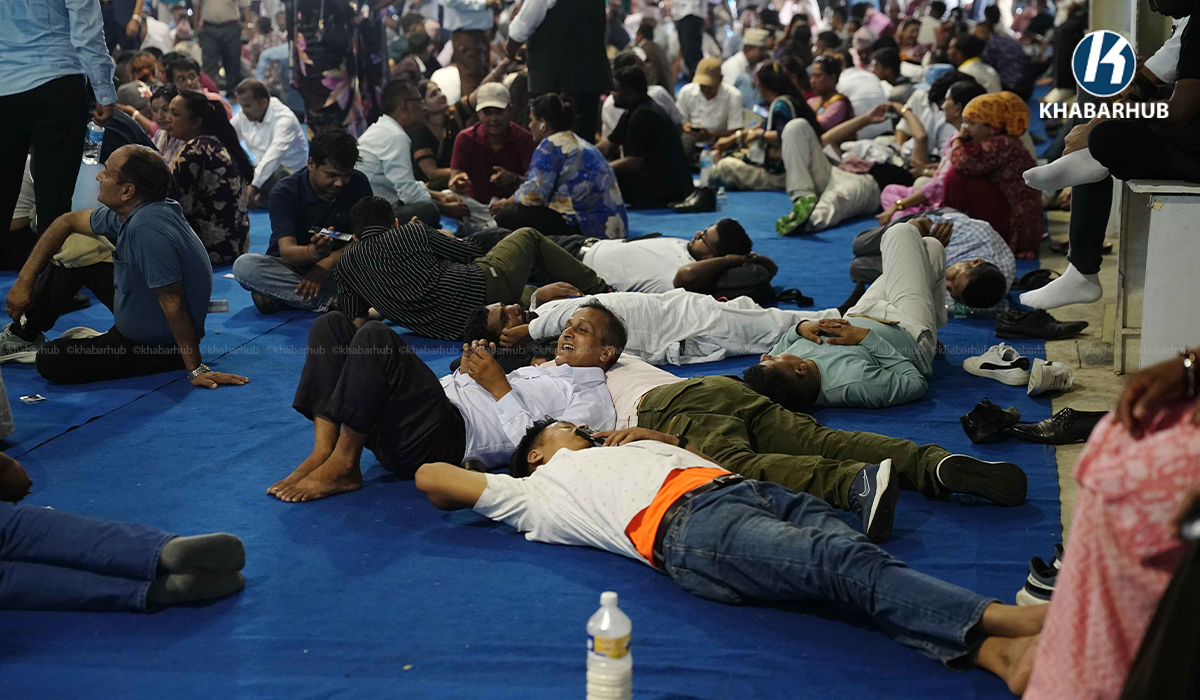
Delegates attributed the decline to poor management, unresolved delegate verification, accommodation issues and a convention schedule that repeatedly changed.
Representative Madhu Kumar Chaulagain said the convention failed to distinguish itself from those of Nepal’s traditional political parties.
“The first convention has raised many questions about the party,” he said. “We repeated many of the mistakes we had criticised in other parties.”
RSP lawmaker Ashika Tamang also acknowledged that the convention did not fully meet delegates’ expectations.
“The enthusiasm seen during the central committee election was missing in the office bearers’ election,” she said. “That shows we were unable to maintain delegates’ confidence. We still have much to learn as a new party.”
Newly elected General Secretary Bipin Acharya accepted that organisational weaknesses affected the convention, describing them as lessons the party must address before future gatherings.
Procedural and organisational lapses
Delegates identified several shortcomings throughout the convention.
Questions emerged from the outset after some invited convention representatives discovered their names were missing from the official delegate list, while names of absent individuals remained on the register.
Accommodation also became a major concern. Although the party arranged meals during most of the convention, delegates were required to manage their own lodging and, eventually, their final day’s expenses. Many representatives returned home before the leadership election because of rising personal costs.
Electronic voting draws criticism
The electronic voting system also became a source of controversy.
Several candidates complained that their names did not appear in alphabetical or nomination order, creating confusion among delegates using the electronic ballot.
Some delegates also questioned inconsistencies in the published results before final corrections were made.
Central committee member Ganesh Karki criticised the absence of a “No Vote” option, arguing that delegates should have been allowed to reject candidates they did not support.
Other representatives said the problem lay less with the electronic technology itself than with how the voting process had been organised.
Limited policy debate
Delegates also expressed disappointment that key policy documents were endorsed without comprehensive group discussions.
Several representatives said they had expected opportunities to debate reports on party policy, ideology and future direction before approval. Instead, they said the reports were passed with minimal deliberation, limiting meaningful participation during the closed session.
Factionalism contradicts party’s message
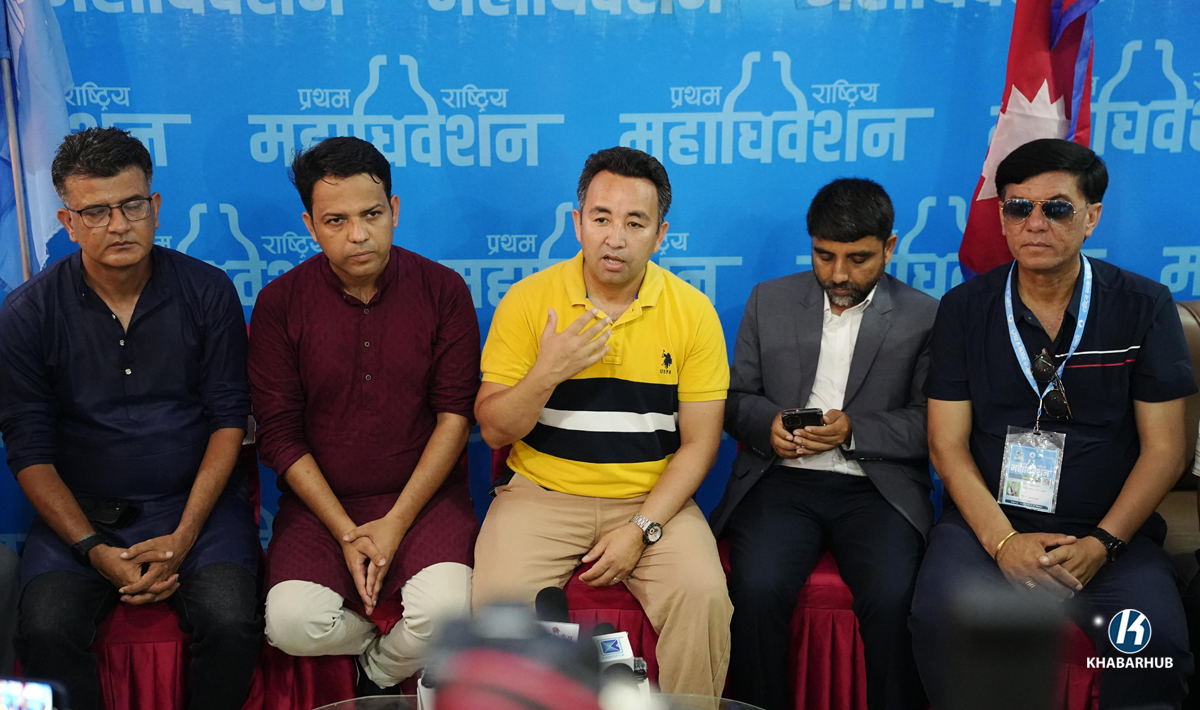
Although party president Ravi Lamichhane repeatedly insisted the RSP had no internal factions, delegates said the office-bearer election revealed clear alignments within the leadership.
Several candidates withdrew from the race to support General Secretary candidate Bipin Acharya, prompting criticism from rival candidates who accused the leadership of encouraging factional politics despite publicly opposing it.
Leaders including Manish Jha, Sagar Dhakal and Ganesh Parajuli questioned the leadership’s commitment to neutrality, while some delegates argued the withdrawals effectively consolidated support behind establishment-backed candidates.
Questions over election management
The convention’s election committee also came under scrutiny after preliminary results reportedly contained errors that were later corrected.
Some dissatisfied delegates have reportedly discussed challenging aspects of the election process through legal channels, arguing that the committee failed to ensure a transparent and error-free election.
Impact beyond the party
The week-long convention also affected parliamentary business, with House of Representatives meetings postponed while several ministers remained occupied with party activities.
Critics argued that a party which had promised efficient governance should have managed its own internal convention without disrupting government responsibilities.
Dual responsibilities spark debate
The election of several senior government officials to key party positions also revived debate over the party’s earlier commitment to limiting individuals to a single major responsibility.
Finance Minister Dr. Swarnim Wagle was elected vice-chair, while Law Minister Sobita Gautam also secured a vice-chair position. Other government officials likewise assumed influential party posts, prompting some members to question whether the party had abandoned its earlier principle of avoiding dual responsibilities.
Low turnout clouds legitimacy
The final leadership vote highlighted the extent of delegate disengagement.
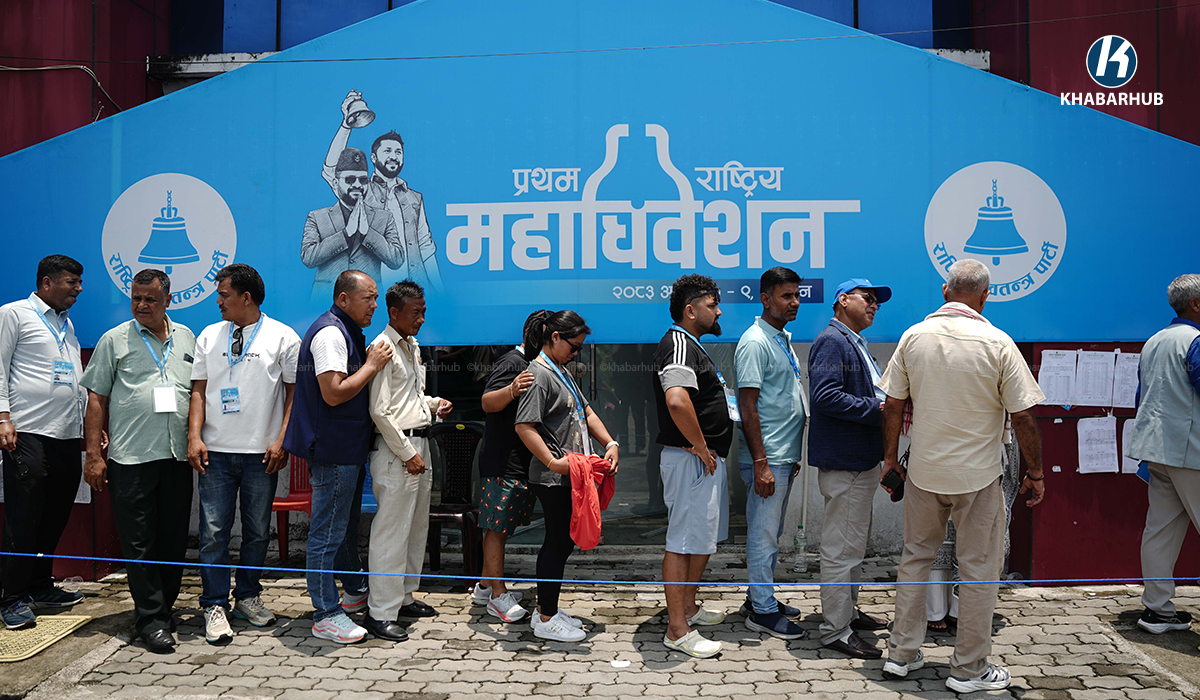
Of nearly 3,959 convention representatives, only 1,290 participated in the office-bearer election. Even compared with the central committee vote, more than 1,500 delegates chose not to vote in the final contest.
While party leaders have described the first convention as a valuable learning experience, many grassroots representatives say the event exposed weaknesses in internal democracy, election management and organisational discipline.
For a party that entered national politics promising transparency, efficiency and a break from traditional political practices, the convention has become both a milestone and a reminder that translating reformist ideals into organisational practice remains a significant challenge.






Comment