




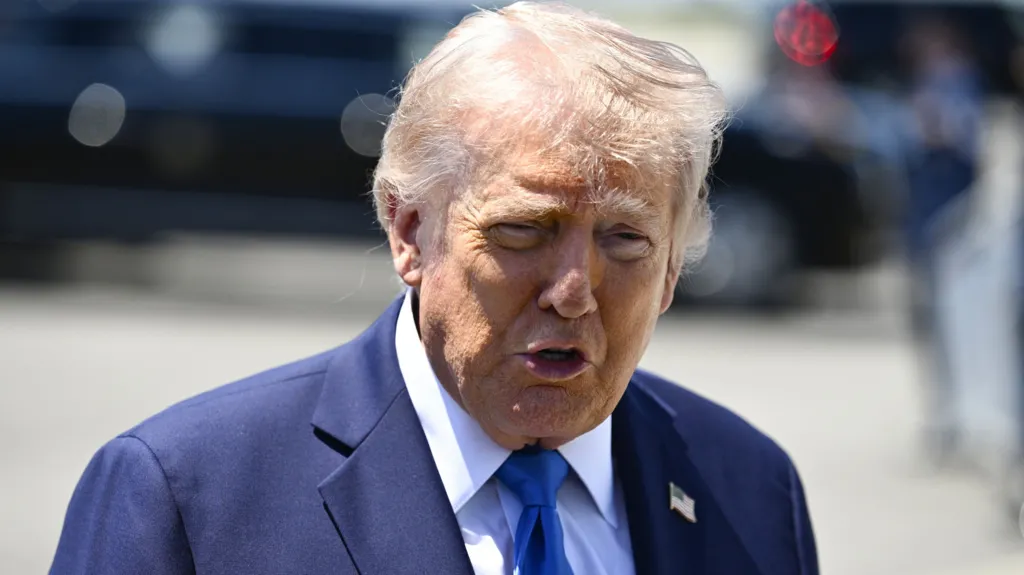
WASHINGTON DC: The United States has unveiled a new round of import tariffs targeting several countries and trading partners as President Donald Trump continues to advance his signature trade policy.
The proposed duties will affect imports from some of America’s largest trading partners, including China and the European Union, as well as 12 other economies such as Japan, South Korea and Taiwan.
The White House launched investigations into the trade practices of various countries in March, following a US Supreme Court ruling that Trump’s previously announced ‘Liberation Day’ tariffs were illegal.
Under the proposed measures, China faces the highest tariff rate of up to 40 percent, followed by Vietnam at up to 35 percent. Other affected countries and trading partners could face tariffs ranging from 20 to 25 percent.
The Office of the United States Trade Representative (USTR) announced the proposed tariffs alongside detailed reports outlining how the trade practices of each targeted economy allegedly affect American commerce.
However, the new duties are not expected to come into force until next year. Before implementation, they must undergo several rounds of public consultation and may also be subject to formal hearings.
Tariffs are taxes imposed on imported goods, generally calculated as a percentage of their value. Importing businesses are responsible for paying these duties to the government.
The effective tariff rates may be lower in some cases because of ceilings agreed upon by Trump. The applicable duties will also vary depending on the country and the arrangements governing its trade with the United States.
The proposed measures cover imports from China, the European Union, Singapore, Switzerland, Indonesia, Malaysia, Cambodia, Thailand, South Korea, Vietnam, Taiwan, Bangladesh, Japan and India.
USTR representative Jamieson Greer defended the proposed tariffs, saying they would “level the playing field for American workers and chart a new, more sustainable course for the world economy.”
(Inputs from BBC)





Comment