




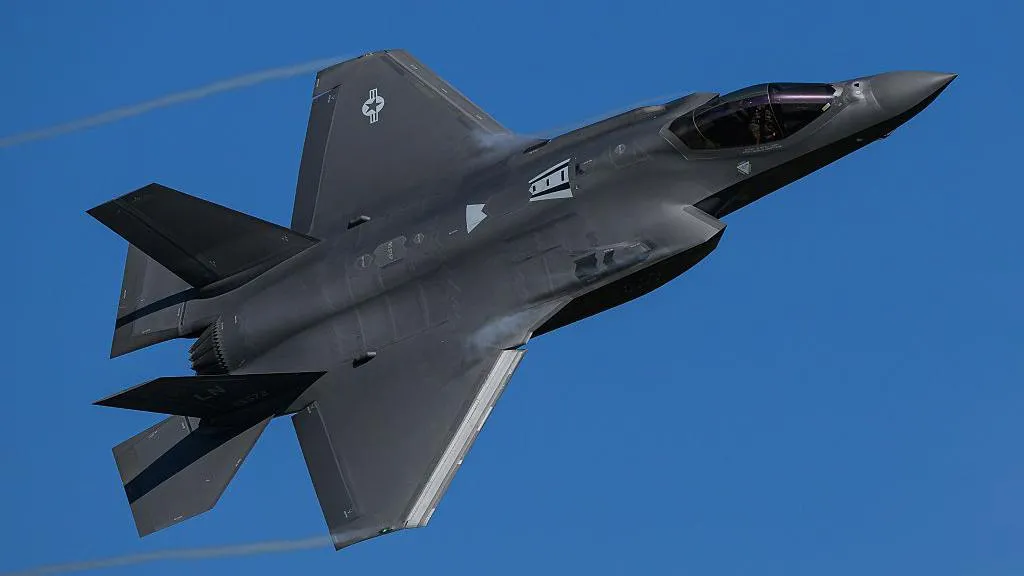
WASHINGTON DC: The US military has confirmed that it carried out fresh strikes in southern Iran, targeting Iranian missile installations as well as vessels suspected of laying naval mines.
US Central Command said the operation was conducted in “self-defense” and aimed at “protecting our forces from threats posed by Iranian forces.” A spokesperson, Capt. Tim Hawkins, added that US troops continue to act defensively while maintaining restraint amid the ongoing ceasefire, according to BBC.
The strikes reportedly hit areas near Bandar Abbas, a key southern port city that hosts an Iranian naval base along the Strait of Hormuz, according to the New York Times. Iranian state media had earlier reported explosions in the area, saying local authorities had launched an investigation.
Iran has not yet issued an official response to the latest US action, and it remains unclear how the developments may affect ongoing diplomatic efforts.
The military action comes at a sensitive time in US-Iran relations, with Iranian foreign ministry spokesperson Esmail Baqai saying that while some progress has been made in talks, a final agreement remains distant. He rejected suggestions that a deal was close, despite remarks from US officials indicating possible movement in negotiations.
Former US President Donald Trump had recently suggested that a deal was nearing completion, though he later urged negotiators not to rush the process. US Secretary of State Marco Rubio also said an agreement could potentially be reached soon.
Baqai, however, maintained that although several issues had been addressed, no imminent agreement should be expected. The discussions reportedly include a possible 60-day ceasefire extension, reopening of the Strait of Hormuz, and further negotiations on Iran’s nuclear programme.
According to US media reports, intelligence assessments suggest that Iran’s Supreme Leader Mojtaba Khamenei, who was reportedly injured earlier in the conflict, is in hiding, complicating communication with negotiators and slowing talks.
The broader negotiations are expected to remain unresolved in the short term, with key disputes such as sanctions relief, access to frozen Iranian funds, and limits on Iran’s nuclear programme likely to be addressed later.
At the beginning of the conflict, Iran was believed to hold around 440 kg of uranium enriched up to 60 percent purity, close to weapons-grade levels. US officials have said this stockpile is a central concern in negotiations.
On Monday night, Trump said the enriched uranium would either be handed over to the US or destroyed on site in coordination with Iranian authorities.
Despite mixed signals from officials, Iranian Foreign Minister and lead negotiator were in Doha for talks with Qatar’s leadership on a possible deal, Reuters reported.
A ceasefire between US and Iranian forces has been in place since 8 April, although tensions remain high in the region, particularly around the Strait of Hormuz, a critical global shipping route that has seen disruptions during the conflict. (Inputs from BBC)



Comment