




KATHMANDU: Calls are intensifying within the CPN-UML for Chairman KP Sharma Oli and other first-generation leaders to step aside from active leadership roles.
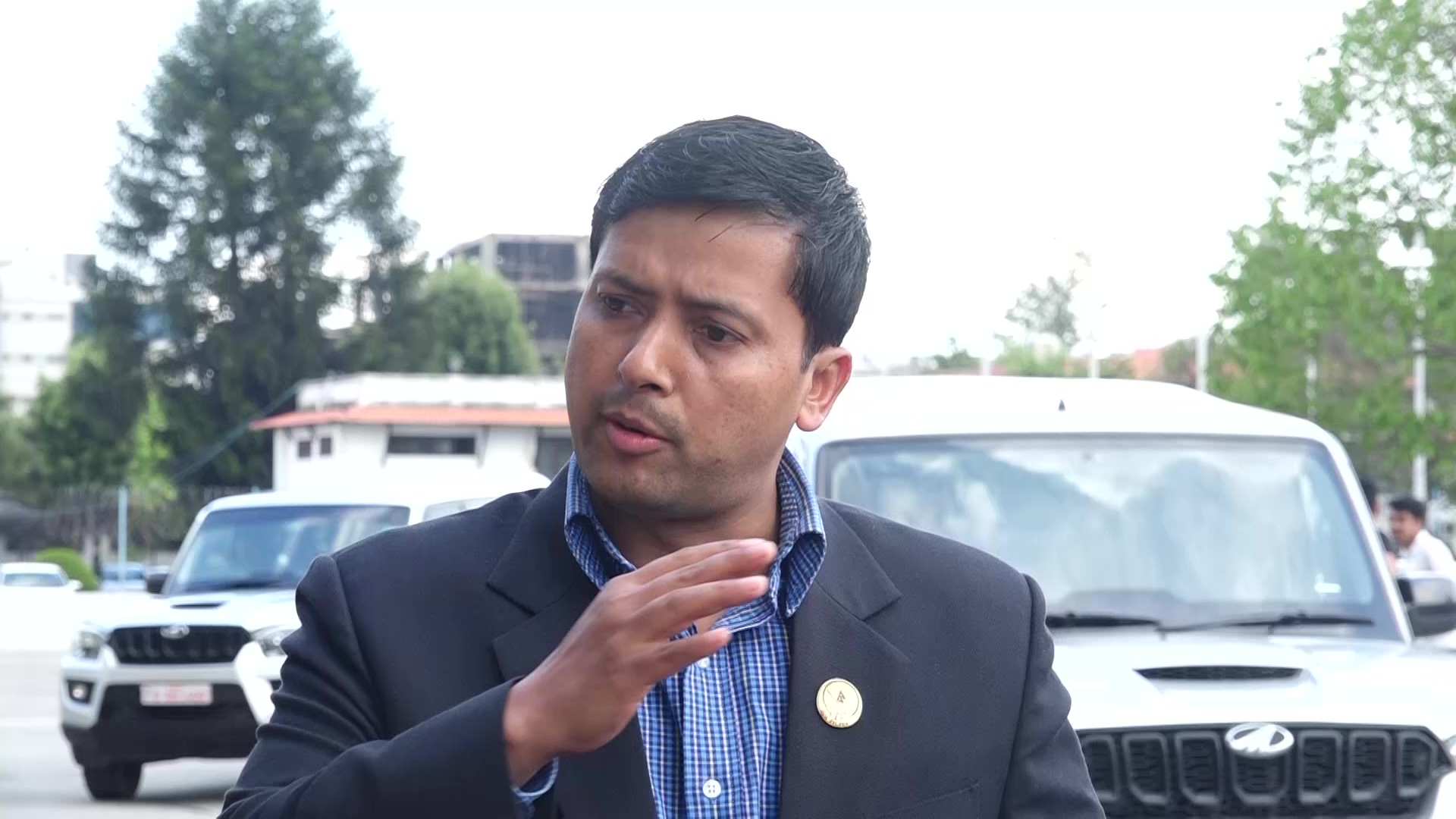
UML leader and former chief whip Mahesh Bartaula has argued that not only Oli, but the entire first generation of party leaders should voluntarily retire from executive positions and take on advisory or guardian roles within the party.
Speaking amid ongoing debates over leadership transition, generational change, and party restructuring, Bartaula said the UML now needs to open space for a new generation of leaders rather than prolonging the tenure of those who have repeatedly held top positions.
He stressed that leadership change should happen through a gradual, dignified, and institutional process rather than through factional pressure or internal conflict.
Indicating that former President Bidya Devi Bhandari is not an alternative to Oli, Bartaula said the time has come for the first generation and long-serving leaders to step aside. In his view, they should voluntarily resign rather than being forced out through internal struggles or pressure campaigns.
Khabarhub spoke briefly with Bartaula regarding leadership transition in the UML, future leadership, and the party’s direction. Excerpts from the conversation:
There is currently an intense debate within the UML regarding leadership transition, generational change, and party reorganization. What is your view on this?
Discussions are taking place from various angles in the UML Secretariat meeting. Such debates are natural in every vibrant political party. In many ways, the election results were unusual and damaging. We must identify the reasons behind reaching this situation. We need to assess both internal and external factors and understand how significant each of them is.
What is the central political question today? Under what circumstances did we arrive at this result? What exactly is our problem? These are the issues the UML Secretariat meeting must identify. Discussions about individuals, personalities, and tendencies are secondary matters.
No matter whether the debate is about leadership change, power transfer, generational transition, or party reorganization in the context of the March 5 election, we first need to identify the necessary steps forward.
After examining internal and external causes, the UML must determine where it stands in today’s political landscape. It must clarify what solutions it wants to offer, what agenda it will carry forward, and what national issues it sees before the country.
What should the party do now?
Special attention must be paid to three key areas. First, we must identify what we need to understand and acknowledge. Second, we need to determine how we should reform ourselves. What improvements are needed in our programs, policies, and conduct? We should move forward accordingly.
Third, we need to seriously examine whether we fulfilled the commitments we made while in government. Did we deviate from political principles in the party’s internal life? Did we drift away from communist values and conduct? Did circumstances arise that raised questions about political integrity? These issues require serious debate.
Is it appropriate to discuss leadership change in the UML now?
The first generation of office bearers in the party should now recognize that the exit door has opened for them. The entry door for the first generation in the UML is no longer open. The space for continued opportunities has narrowed significantly.
Does that mean not only KP Oli, but all first-generation leaders should step aside?
Yes. This is not about any one individual. The entire first generation of UML leadership should now step aside. The path of opportunity should gradually close for many leaders currently serving in the office bearers and Secretariat.
New opportunities for leadership renewal have effectively been blocked because the same leaders have continued to occupy the top positions. All senior leaders should reflect seriously and voluntarily retire from active leadership while assuming guardian roles within the party.
When the time comes for the first generation to exit, it is neither appropriate nor natural to force them out. These leaders have already moved beyond their peak political phase. It is now the responsibility of the next generation to carry the party forward under the guidance and supervision of the senior leadership.
If the entire burden is placed only on the chairman while everything else is considered acceptable, the issue will no longer remain about party reform and rebuilding. Instead, it will turn into another phase of factional politics. Equal attention must be given to this aspect as well.
Should senior leaders voluntarily resign?
That alone will not solve the problem. However, it is true that circumstances have developed in which the party leadership, Secretariat officials, and top leaders should now prepare to step aside.
The CPN-UML is a party shaped through decades of struggle, setbacks, and political transformation. Its leadership also emerged through that process. Therefore, this is not about humiliating individuals or forcibly removing them from responsibility.
This process should not begin and end only with the current Secretariat meeting or the upcoming Central Committee meeting. It should move forward gradually and systematically. Leaders should voluntarily step aside from the positions they have long occupied. This is not only about the chairman; it concerns the entire top leadership team within the Secretariat. Many of these leaders have repeatedly served as ministers and members of parliament.
Is there a growing line within the UML that Bidya Bhandari should lead the party?
Following repeated requests, the UML Secretariat meeting renewed the party membership of former President Bidya Devi Bhandari. How she moves forward from here will depend on understandings reached among the top leadership. The debate currently taking place within the Secretariat is natural in any vibrant political party.
However, this discussion must rise above personal requests, preferences, and prejudices. It should focus on party building and organizational reform. The debate must remain political, constructive, and natural. If we fail in these areas, the party will weaken further and fall into endless factionalism. Once again, I would say that all first-generation leaders who have repeatedly enjoyed opportunities should now voluntarily retire.
What kind of leadership does the UML need now?
The party now needs leadership capable of implementing its ideology, policies, and principles with integrity. It needs leaders who genuinely prioritize the interests of the country and the people and who can work according to the guiding principles of People’s Multiparty Democracy.
There are many capable leaders within our party. They should now lead this movement and present the UML as a winning political force among the people. UML remains a party with both a future and a present. It has the strength to unite people, and such leaders should now take responsibility for guiding the party forward.
Which generation should now lead — the second or the third?
If we try to create contradictions between generations, our society and political movements will once again become fragmented and will not be able to move forward in an integrated way. That is why this should not be viewed as a conflict between generations. It is about moving ahead through cooperation and coordination among all age groups and generations.
In conclusion, those who have repeatedly reached the party Secretariat and government leadership should now make the exit process easier. In rebuilding the party, there should be coordination among the first, second, third, and even fourth generations. What matters is not who belongs to which generation, but who can best contribute in a given role.
All generations should work together to move the party forward. However, key responsibilities should no longer remain concentrated among first-generation leaders and those who have repeatedly enjoyed opportunities. We are trying to create that environment. The UML should move ahead through coordination and cooperation among all generations.
You said the first generation should step aside. When should this begin, and how?
If we continue delaying the process, the party will suffer even greater losses. Leadership transition cannot happen randomly or informally. Likewise, leaders cannot simply be removed arbitrarily. Conclusions must emerge through the procedures and mechanisms provided by the party’s legal and organizational structures.
If the process moves forward in that way, it will remain both political and natural. Discussions may also arise regarding the possibility of an early or special general convention.
There is already a growing sentiment that the next generation should lead the party, and preparations should begin accordingly. Senior leaders should gradually step aside in a dignified manner so that the next generation can address future challenges and lead the party forward.




Comment