




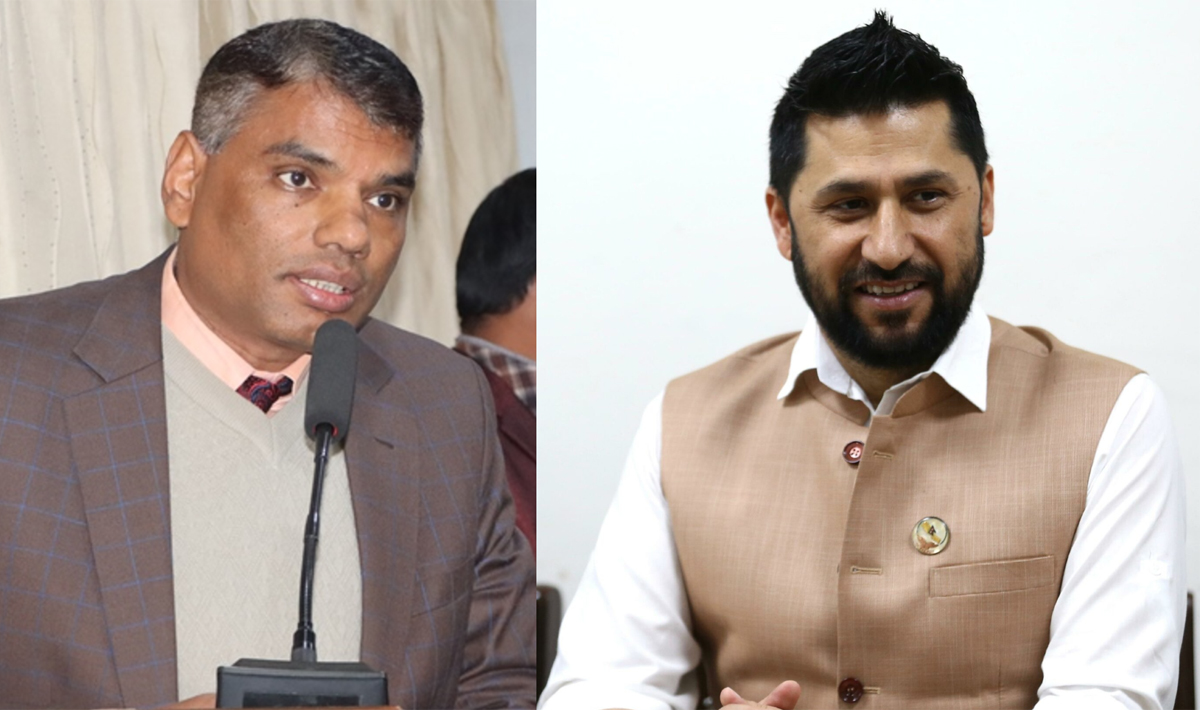
KATHMANDU: The 898-page report of the high-level commission led by former Justice Gauri Bahadur Karki, investigating the Gen-Z protests, includes recommendations for disciplinary action against then-Prime Minister KP Sharma Oli and other senior officials, as well as statements from key bureaucrats, including then-Home Secretary Gokarna Mani Duwaadi.
Duwaadi told the commission that on September 7, 2025, the evening before the protests, a meeting of the Central Security Committee was held at the Ministry of Home Affairs in Singha Durbar. He said he had been briefed that the protests were expected to remain peaceful, and while there was a policy to maintain restraint in crowd control, no formal written decisions were made.
“I returned to the ministry after receiving information around 11:30–12:00 PM on September 8 that protesters were breaking security cordons and entering the Parliament building while I was attending the parliamentary session,” Duwaadi stated. He added that he received notice of a curfew issued by the Chief District Officer of Kathmandu and instructed security agencies to act with restraint.
Duwaadi further said he contacted the Chief of Army Staff twice to coordinate army support. During the incidents, security agencies focused on rescue operations and treatment of the injured.
He noted that a review meeting held at Baluwatar that evening discussed strengthening security for sensitive structures, and that after the resignation of the Home Minister, security reporting was routed through the Chief Secretary. On September 9, widespread arson, vandalism, and looting were reported nationwide. These reports were conveyed to the Chief Secretary, but no clear instructions followed, he said.
Duwaadi explicitly clarified that he did not issue any orders to release Rastriya Swatantra Party Chairman Rabi Lamichhane from Nakkhu Prison or manage other prisoners, nor did he have the authority to give direct orders for the use of force or a “ceasefire.”
He acknowledged that, given the expectation of peaceful protests, the scale of violence, arson, and vandalism was not foreseeable. Duwaadi suggested that future incidents should be prevented through improvements in service delivery, transparency, employment creation, merit-based political appointments, and strengthening of security mechanisms.
The report highlights gaps in coordination among security agencies and emphasizes the need for institutional reforms to prevent similar unrest in the future.






Comment