




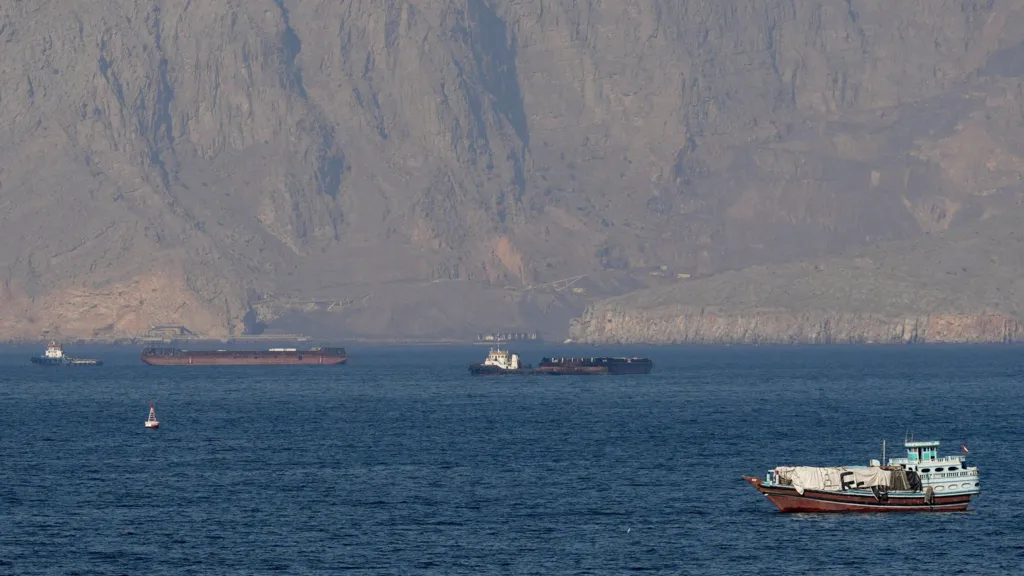
WASHINGTON DC: U.S. President Donald Trump said on Saturday that a “largely negotiated” memorandum of understanding on a potential Iran peace deal could lead to the reopening of the Strait of Hormuz, raising expectations of a possible breakthrough in the ongoing three-month conflict.
Posting on social media platform Truth Social, Trump said the emerging agreement would reopen the strategically vital shipping route, which has been closed since the United States and Israel launched military operations against Iran in February. He did not provide details on other components of the proposed deal.
“The final aspects and details of the deal are currently being discussed and will be announced shortly,” Trump wrote, according to Reuters.
According to reports from U.S. and Iranian media, the proposed memorandum outlines a phased framework aimed at ending hostilities, reopening the Strait of Hormuz and easing a U.S. blockade on Iran. The issue of Iran’s enriched uranium stockpile—long demanded by Washington—would reportedly be negotiated within 30 to 60 days.
U.S. Secretary of State Marco Rubio, speaking during a visit to India, said further updates on Iran could emerge on Sunday and suggested there could be positive developments regarding the Strait within hours.
A potential ceasefire agreement would bring relief to global markets but is unlikely to immediately resolve the broader energy crisis triggered by disruptions to oil, fertilizer and plastics supplies.
Even if hostilities were to end immediately, full oil flows through the Strait are not expected to normalize until 2027, according to the head of the UAE’s state-owned oil company ADNOC.
Meanwhile, Axios reported that the U.S. and Iran were close to an agreement that could eliminate transit tolls through the Strait of Hormuz, allow Iran to resume unrestricted oil sales and initiate negotiations on its nuclear program. In return, the U.S. would lift restrictions on Iranian ports and grant limited sanctions waivers on oil exports, citing a U.S. official.
(Inputs from Reuters)





Comment