




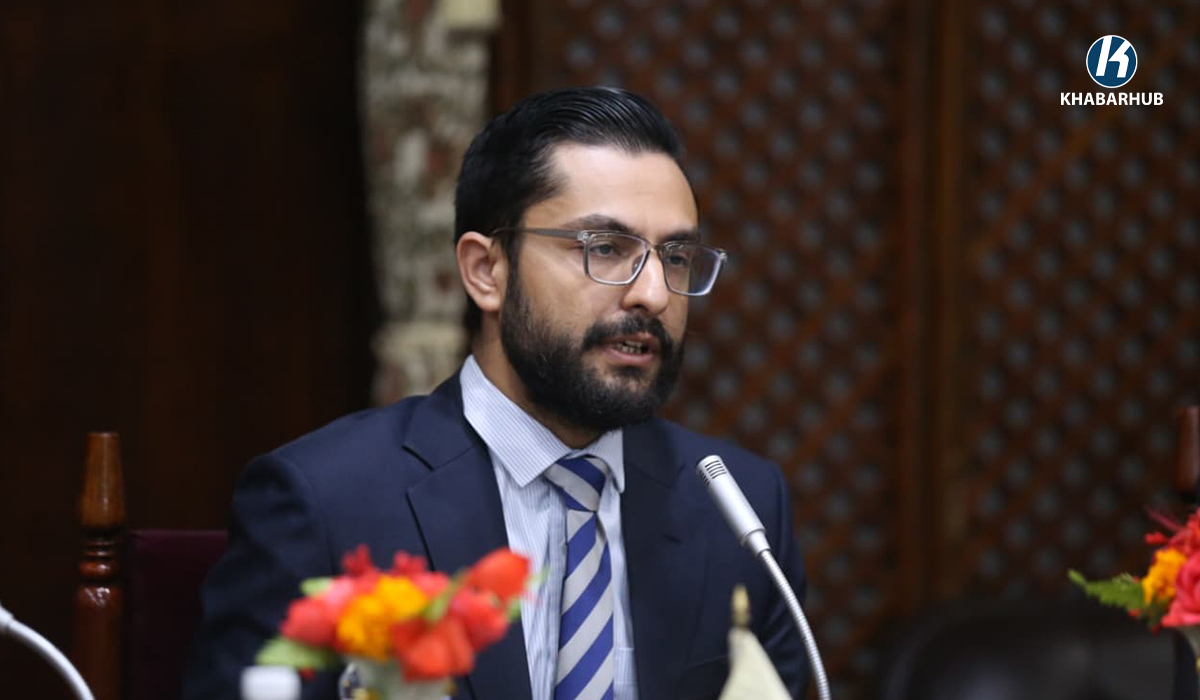
KATHMANDU: Education Minister Sasmit Pokharel has pledged to eliminate political interference in Nepal’s universities within the next four years, promising a merit-based system for appointments, promotions, and transfers.
Addressing the 67th anniversary celebration of Tribhuvan University in Kathmandu on Thursday, Pokharel, who also serves as the university’s Pro-Chancellor, said the era of political power-sharing in higher education institutions must come to an end.
He said no political or partisan pressure would be tolerated in decisions related to transfers, promotions, or appointments and urged university officials to immediately inform the Ministry of Education if they faced such interference.
Pokharel said the appointment of vice-chancellors through open competition for the first time in Nepal’s history had brought new momentum and commitment to the country’s higher education system.
He stressed that reforming universities cannot be achieved by office-bearers alone and called on professors, staff, and other stakeholders to take greater responsibility and leadership in improving academic institutions.
The minister also said the government was holding discussions with ambassadors from various countries to bring foreign university professors to Nepal and create opportunities for Nepali professors and students to study and teach abroad.
He reiterated the government’s commitment to granting universities greater institutional autonomy while ensuring academic freedom for faculty members.
Speaking at the same event, Tribhuvan University Vice-Chancellor Prof. Dr. Bhola Thapa said the university would prioritize the effective use of information and communication technology and the restructuring of academic programs.
He pledged to promote research and innovation, strengthen interdisciplinary collaboration, expand research funding, and deepen international partnerships as key strategic priorities.
Thapa also said the university would continue focusing on producing skilled, innovative, ethical, and globally competitive graduates aligned with Nepal’s national needs and the demands of the international labor market.





Comment