




KATHMANDU: The government’s decision to implement a two-day weekly public holiday to reduce fuel consumption has begun to affect daily services, particularly in the health sector.
Hospitals across the country are facing operational challenges as they adjust outpatient services, surgical schedules, and manpower management to the new working pattern.
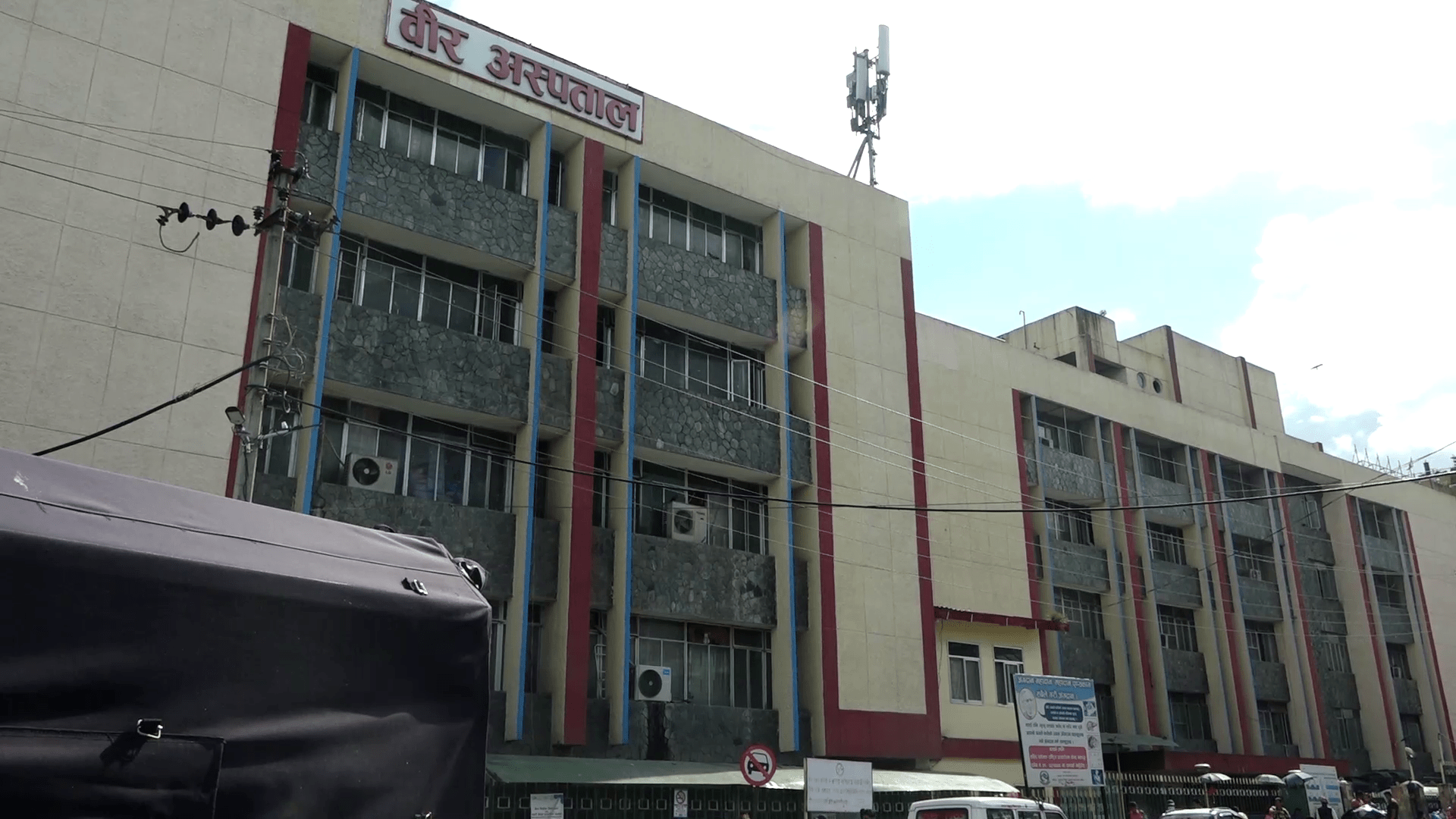
Teaching hospitals, the Trauma Center, and Bir Hospital have already revised their duty rosters to align service delivery with the revised holiday structure.
According to Kali Prasad Rosyara, Information Officer at Tribhuvan University Teaching Hospital, managing patient flow has become increasingly difficult.
“The hospital already sees a high patient load due to seasonal changes and the farming period, and the two-day holiday has further increased the pressure,” he said.
He added that the surgery schedule has also been affected. “When patient pressure rises, limited resources make it difficult to conduct all surgeries on time, so delays are inevitable,” he said.
To maintain continuity of services, the hospital has decided to operate an additional “extra shift” every Friday. It is also compiling data on postponed surgeries due to the revised schedule.
Changes at National Trauma Center
The National Trauma Center in Kathmandu has also reported disruptions in service delivery following the new holiday system.
Information Officer Shiva Prasad Niraula said the two-day weekly holiday has affected hospital operations, including outpatient services and surgical scheduling.
Previously, the hospital ran an extended service from 9 am to 5 pm, with additional paid surgeries conducted after regular duty hours. However, this system has now been impacted by the revised schedule.
To address the situation, the Trauma Center has announced a new operational timetable effective from April 27.
New operating schedule introduced; Trauma Center, Bir Hospital adjust services under two-day holiday system
In response to the government’s two-day weekly holiday policy, hospitals have begun adjusting internal schedules to manage patient flow and maintain uninterrupted services.
The National Trauma Center has introduced a revised weekly operating schedule for specialist services.
New Trauma Center schedule
Monday: Orthopedic, General Surgery, Neurosurgery
Tuesday: Orthopedics Unit-1, ENT, CSR
Wednesday: Orthopedics Unit-2, Burn and Plastic Surgery, Arthroplasty
Thursday: Orthopedics Unit-3, Neurosurgery, Burn and Plastic Surgery
Friday: Orthopedics, ENT, and Arthroscopy
The center has also stated that its Extended Hospital Service (EHS) will now operate from 5 pm to 8 pm, with trauma surgery given top priority.
Bir Hospital adopts rotation system for service management
At Bir Hospital, officials said patient pressure has increased slightly following the implementation of the two-day holiday, but it remains within manageable limits.
According to General Surgeon Dr. Deepa Shrestha, the hospital continues to operate from 8:30 am to 4:30 pm, and there has been no significant reduction in services apart from minor timing adjustments.
To improve efficiency and transparency, the hospital has introduced a new rotation system. Under this arrangement, Units 1, 2, and 3 will rotate responsibilities for the Outpatient Department (OPD), Operation Theatre (OT), and wards.
As per the new schedule:
Monday: Unit 1 (Ward), Unit 2 (OT), Unit 3 (OPD)
Tuesday: Unit 1 (OT), Unit 2 (OPD), Unit 3 (Ward)
Weekly responsibilities have also been assigned, with Unit 1 taking charge on Wednesday, Unit 3 on Thursday, and Unit 2 on Friday.
Challenges and public concern
Following the government’s decision to implement a two-day weekly holiday, hospitals across the country have been working to reorganize internal systems to reduce pressure on health services.
While authorities say efforts are being made to ensure continuity of care, patients have expressed concerns over easier access to treatment.
Hospital staff, however, note that limited manpower in government health institutions continues to pose challenges in effective service management, despite the policy being aimed at improving efficiency.






Comment