




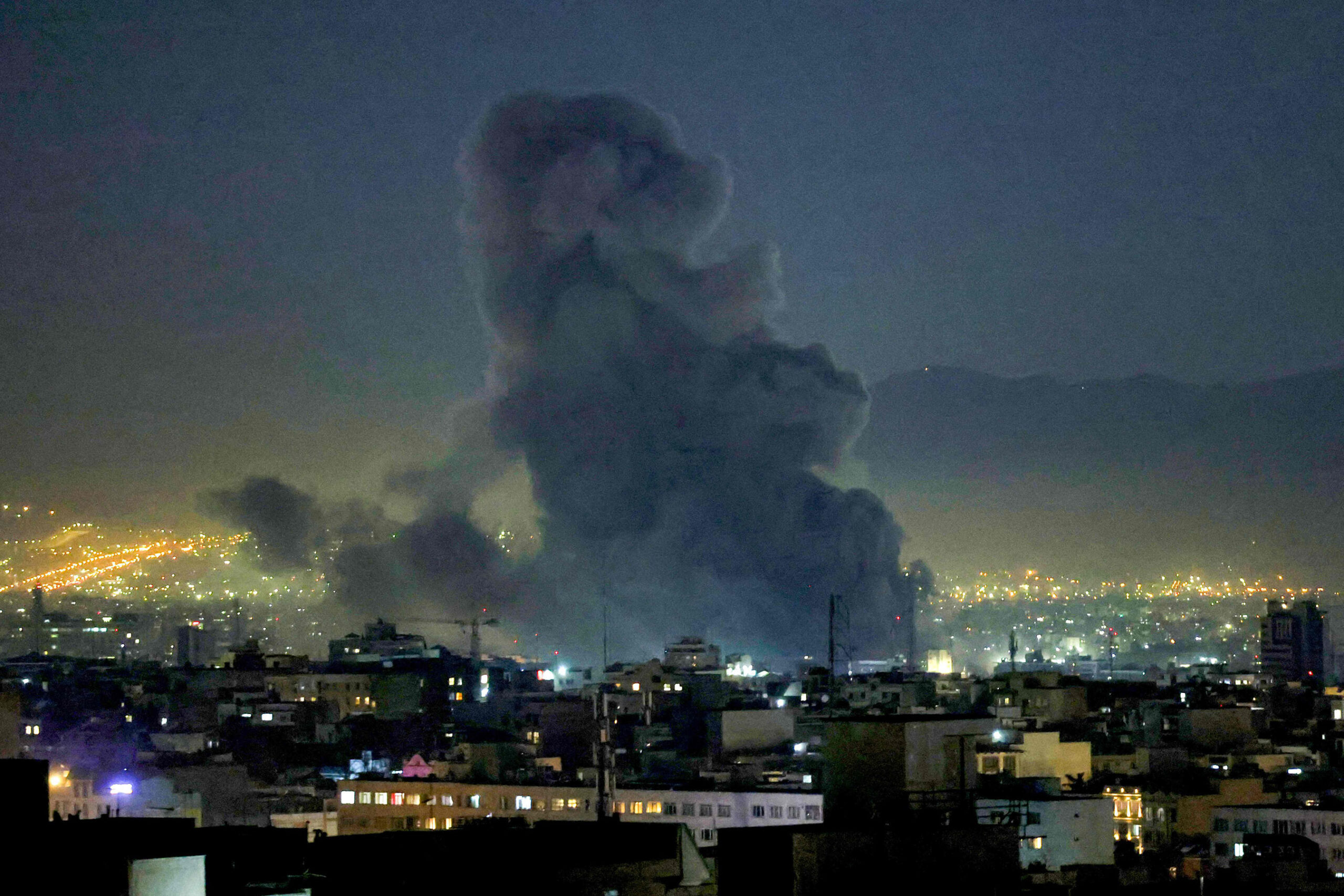
KATHMANDU: Global markets and energy sectors are feeling the immediate impact of the ongoing West Asia conflict, with disruptions in oil supply and heightened uncertainty affecting multiple countries and industries.
European equities opened sharply lower on Monday, following declines in Asian markets after escalating tensions between US President Donald Trump and Iranian leaders over the Strait of Hormuz. London’s FTSE 100 fell 1.4%, Paris lost 1.7%, and Frankfurt dropped 2.0%.
US benchmark crude, West Texas Intermediate (WTI) for May delivery, climbed above $100 per barrel, while Brent crude rose over 1% to $113.90 per barrel. The increase comes as the US and Israel warned that their war against Iran, which has disrupted deliveries through the Strait of Hormuz, could continue for several more weeks.
International Energy Agency (IEA) chief Fatih Birol warned that the global economy faces a “major threat” from the energy crisis triggered by the conflict. At least 40 energy assets across nine countries have been “severely” damaged, according to Birol.
Indonesia is exploring measures to save up to 80 trillion rupiah ($4.7 billion), including one day of remote work per week for government and select public sector employees, aimed at reducing fuel consumption amid rising global energy costs.
The two import-reliant nations announced plans to strengthen energy supply chain resilience, particularly for oil, liquefied natural gas, and diesel, citing shared concerns over regional energy supply and price impacts.
More than 10,000 energy industry leaders are expected at CERAWeek in Houston this week. The conference, originally an annual industry gathering, will focus heavily on oil and gas supply disruptions caused by the US-Israel war against Iran.
US Treasury Secretary Scott Bessent defended easing sanctions on Iranian and Russian oil to stabilize global markets, noting that Iranian oil was likely destined for China and the temporary move helped keep prices below $100 per barrel.
TotalEnergies CEO Patrick Pouyanne warned that if the conflict extends beyond six months, it could damage economies worldwide. With around 20% of global oil production transiting the Strait of Hormuz, prolonged disruptions could have “real impacts” despite existing oil inventories cushioning short-term shocks.
Sokimex, a key energy supplier in Cambodia, announced it will temporarily halt liquefied petroleum gas (LPG) sales from April 1 due to war-related supply disruptions, affecting both cooking and heating fuel availability in Southeast Asia.
The ongoing West Asia conflict underscores the fragility of global energy markets and highlights the interconnected risks to both developed and emerging economies.




Comment