




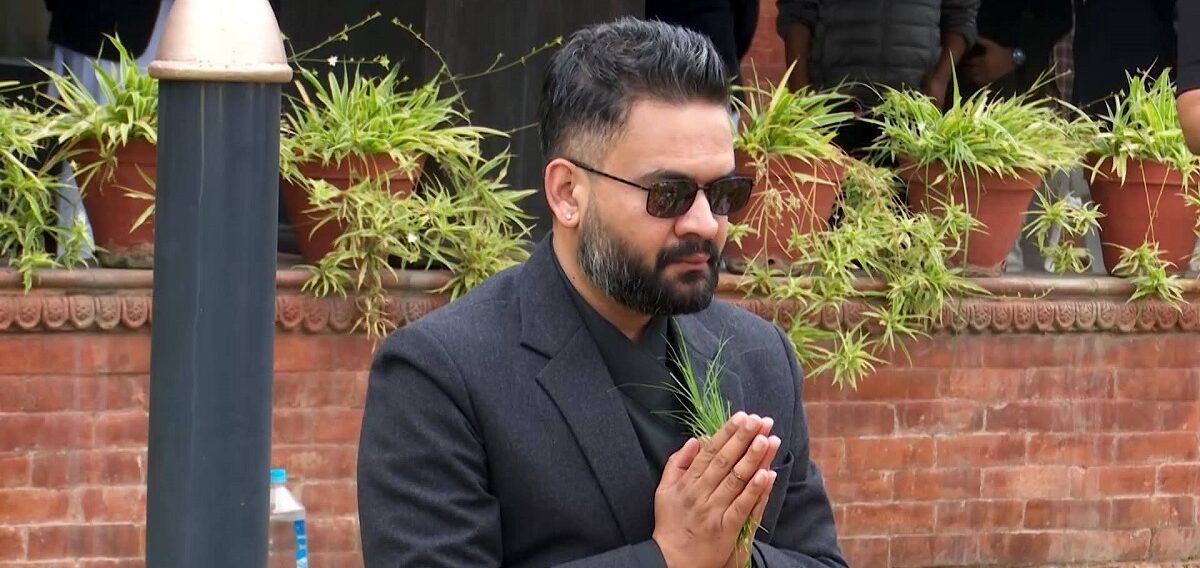
KATHMANDU: Prime Minister (PM) Balendra Shah is preparing to present statues representing two significant religious and historical heritages of Nepal to Indian Prime Minister Narendra Modi and President Droupadi Murmu during his two-day state visit to India, beginning Sunday afternoon.
Unlike previous Nepali prime ministers, who traditionally presented replicas of the Pashupatinath Temple to Indian leaders during their visits, Shah has chosen gifts representing Nepal’s distinct religious, cultural and historical heritage.
During the visit, Shah is scheduled to hold separate meetings with Prime Minister Modi and President Murmu on Monday.
According to the Prime Minister’s Secretariat, Shah plans to present a statue of Rato Machhindranath to his Indian counterpart, Modi. Rato Machhindranath is an important deity deeply associated with Nepal’s religious, cultural and historical identity.
According to traditional Nepali legends, Lichchhavi King Narendra Dev brought Rato Machhindranath to the Kathmandu Valley from the Kamakhya region of ancient Kamrup, in present-day Assam, India.
Legend has it that the valley was experiencing a prolonged drought at the time and that rainfall resumed following the arrival of the deity. The tradition of worshipping Rato Machhindranath has since become an integral part of the cultural and religious life of the Kathmandu Valley.
Similarly, Shah is preparing to present President Murmu with a statue representing Charumati Vihar, located in Chabahil, Kathmandu.
The history of Charumati Vihar is traditionally associated with Indian Maurya Emperor Ashoka and his daughter Charumati.
According to historical and religious accounts, Emperor Ashoka visited the Kathmandu Valley with his daughter. Charumati is believed to have married a local prince named Devpal, settled in the Devpatan area and established a Buddhist monastery there. Traditional accounts also hold that she spent her final days in the same area.
The Prime Minister’s Secretariat said the two gifts symbolize the longstanding religious, cultural and civilizational connections between Nepal and India, highlighting the shared historical heritage of the two neighbouring countries.





Comment