




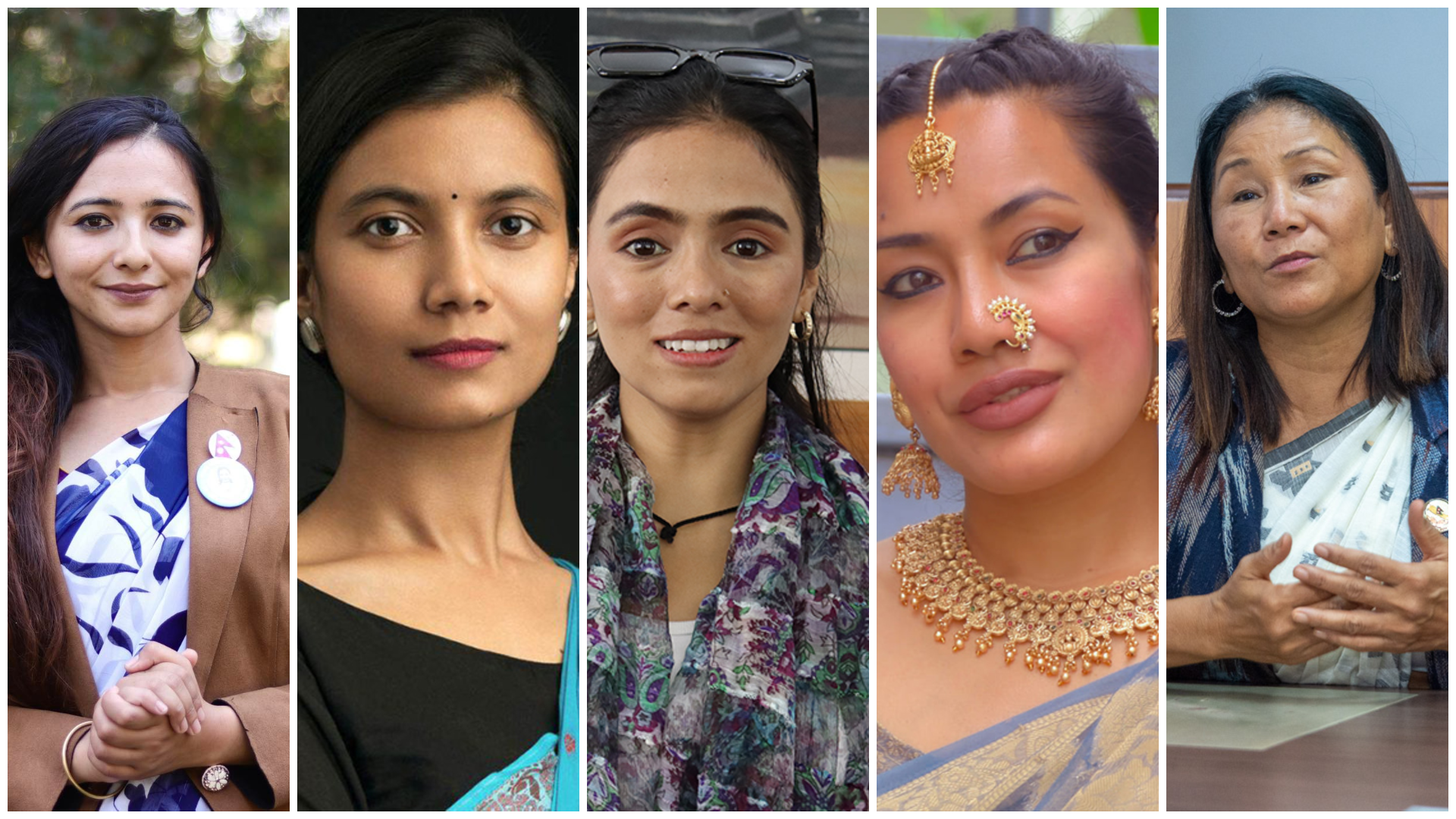
KATHMANDU: The Rastriya Swatantra Party (RSP) has nominated 16 women candidates for the upcoming House of Representatives election, drawing attention to the continued underrepresentation of women in direct electoral contests.
Nomination data show that the party has fielded 148 male candidates and 16 female candidates under the first-past-the-post system, with women accounting for just 9.75 percent of RSP’s direct-election nominees. While this figure is low, constitutional provisions require political parties to ensure at least 33 percent women’s representation through a combined total of direct and proportional representation.
Read also: Nepal’s top parties continue to field few women candidates, perpetuating gender imbalance
Experts note that women’s participation remains particularly limited in direct elections, where political parties across the spectrum tend to prioritize male candidates. The gap highlights an ongoing challenge in translating constitutional commitments into inclusive candidate selection practices.
Across the country’s 165 constituencies, thousands of candidates have entered the race, yet women continue to be heavily underrepresented, especially among party-backed nominees in direct contests. The final assessment of parties’ compliance with constitutional requirements will depend on the allocation of proportional representation seats following the election.
**Corrigendum: An earlier version of this report stated that the Rastriya Swatantra Party (RSP) had failed to meet the constitutionally mandated 33 percent women’s representation based solely on its direct-election candidates. This interpretation was inaccurate. The error is regretted.




Comment