




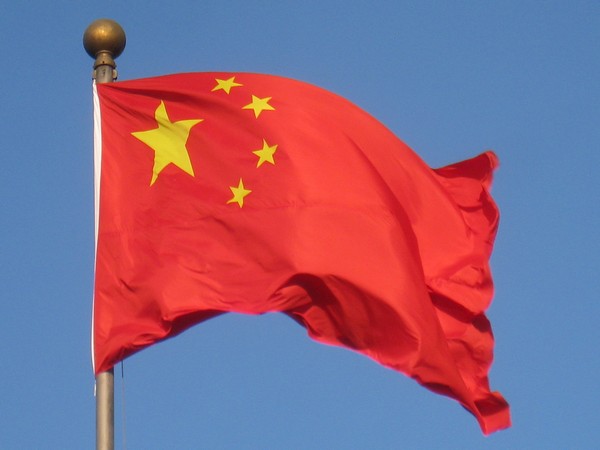
For decades, China projected itself as the world’s fastest-rising economic miracle. Gleaming skyscrapers, high-speed rail networks, mega infrastructure projects, and ambitious global initiatives created the image of a nation marching confidently toward prosperity. Yet beneath this carefully crafted narrative, millions of ordinary Chinese citizens are facing a very different reality: unemployment, declining incomes, rising living costs, and an increasingly desperate struggle for survival.
Across Chinese cities, scenes once considered unthinkable have become commonplace. Day labourers gather before dawn hoping to secure a few hours of work. Food delivery workers often labour for twelve to fourteen hours a day merely to earn enough to cover rent and meals. Middle-aged workers who lose their jobs find themselves trapped in a brutal labour market where many employers prefer candidates under 35. For countless families, the question is no longer how to improve their lives, but how to put food on the table.
Official statistics continue to present a picture of stability, yet even government figures reveal serious stress. China’s youth unemployment rate for those aged 16-24, excluding students, stood at 18% in September 2026, highlighting the severe employment challenges facing young graduates entering the workforce. With more than 12 million university graduates entering the job market annually, competition for employment has become fiercer than ever.
The crisis is not limited to young people. China’s much-discussed property downturn continues to weigh heavily on the wider economy. Once accounting for roughly a quarter of economic activity, the real estate sector remains under pressure from falling sales, weak demand, unfinished projects, and declining investment. Reuters surveys indicate that analysts continue to see structural challenges and persistent weakness in the property market.
Foreign investor confidence has also weakened. Official figures show foreign direct investment into China fell for several consecutive years, with a further decline recorded in 2025 and continued pressure into 2026. While Beijing promotes technological self-reliance and domestic consumption, many international companies are reassessing their exposure to the Chinese market amid economic and geopolitical uncertainties.
For ordinary Chinese citizens, these macroeconomic trends translate into personal hardship. Restaurant owners struggle to attract customers. Small businesses close their doors. Manufacturing workers face layoffs as factories reduce production or shut down altogether. Many migrant workers, who once fuelled China’s industrial rise, now find themselves competing for fewer opportunities and lower wages.
The most troubling aspect of the current situation is that a growing number of Chinese citizens appear to be falling through the cracks of the social safety net. While Beijing has repeatedly declared victory in eliminating extreme poverty, many vulnerable groups continue to face severe economic insecurity. Rural elderly citizens often survive on modest pensions and occasional labour. Low-income families increasingly cut back on discretionary spending, including meat and healthcare. For many households, one unexpected medical emergency can trigger financial catastrophe.
Critics argue that the Chinese Communist Party’s response has focused more on managing perceptions than addressing underlying structural problems. Instead of implementing aggressive reforms aimed at boosting household incomes, strengthening welfare protections, and revitalising private-sector hiring, authorities have prioritised growth targets, industrial policy, and strategic geopolitical ambitions.
Nowhere is this criticism more visible than in China’s overseas spending commitments. At the 2024 Forum on China-Africa Cooperation, President Xi Jinping pledged approximately 360 billion yuan (around US$50.7 billion) in financing, investments, and assistance to African nations over three years.
Supporters argue that such expenditures enhance China’s global influence, secure markets for Chinese companies, and strengthen diplomatic relationships. However, many critics question whether a country facing slowing growth, weakening consumer confidence, youth unemployment, and property-sector distress should be allocating such vast sums abroad while many citizens struggle economically at home.
The contrast is difficult to ignore. While Beijing expands its international footprint through the Belt and Road Initiative, overseas infrastructure financing, and strategic partnerships, millions of Chinese workers remain anxious about job security, housing affordability, healthcare access, and future prospects.
This growing disconnect lies at the heart of China’s current challenge. Economic growth alone is no longer enough. The Chinese people increasingly need policies that directly improve everyday life: stronger social protection systems, expanded healthcare access, pension security, labour-market reform, support for small businesses, and sustainable job creation.
History shows that nations derive their strength not from impressive skylines or grand international projects but from the wellbeing of their citizens. A government may impress the world with ambitious diplomacy and billion-dollar commitments overseas, but lasting legitimacy ultimately depends on whether ordinary families can live with dignity, hope, and economic security.
China’s leaders still possess the resources and policy tools necessary to address these challenges. The question is whether they are willing to prioritise domestic hardship with the same determination they have demonstrated in pursuing international influence.
Until that happens, the gap between the image of a prosperous superpower and the reality experienced by many ordinary Chinese citizens will continue to widen. And for countless workers searching for employment, struggling to afford basic necessities, and worrying about tomorrow’s meal, the so-called Chinese Dream will remain frustratingly out of reach.




Comment