




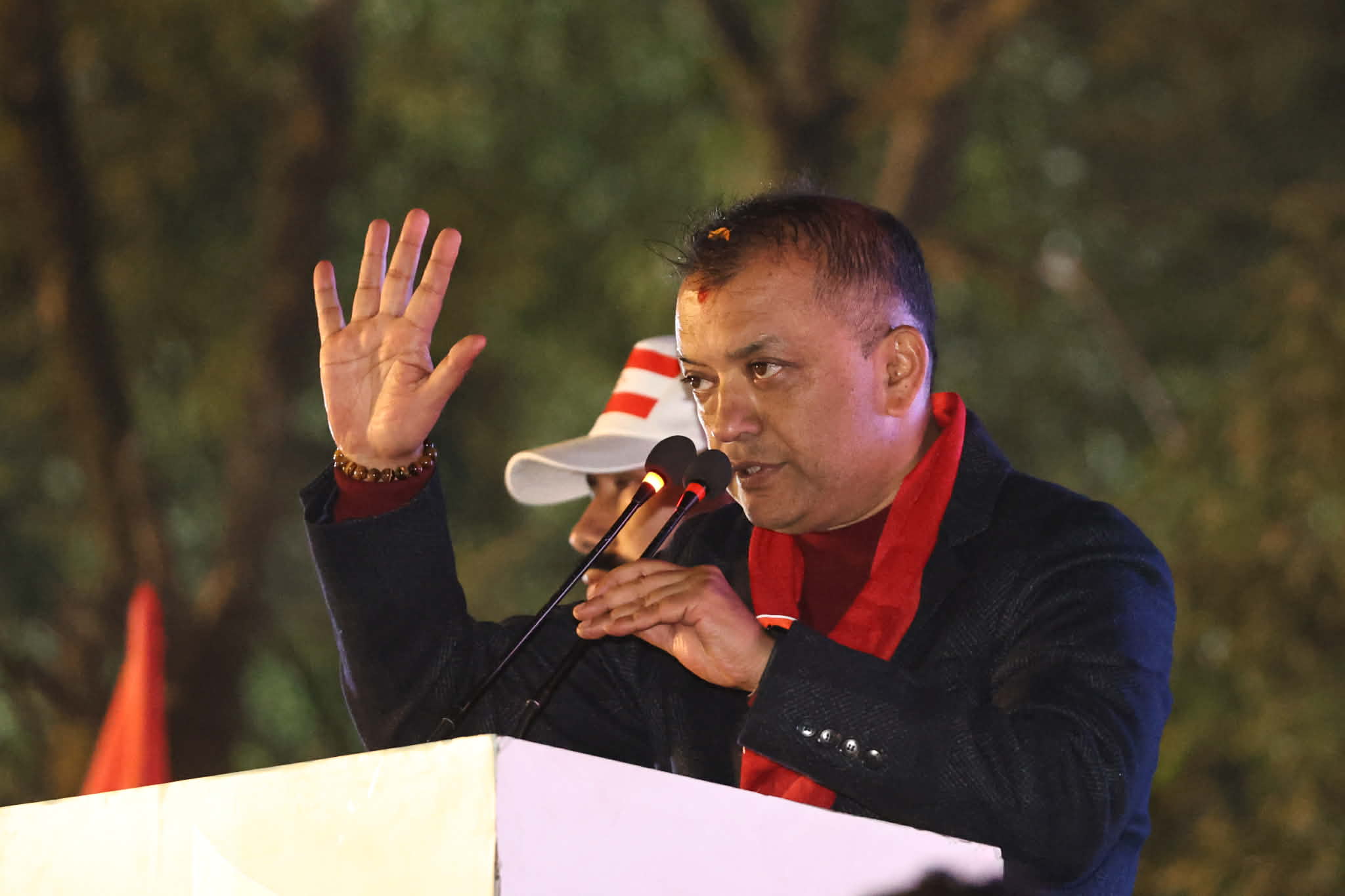
KATHMANDU: Nepali Congress President Gagan Thapa resigned from his position on Wednesday, citing ethical responsibility after his party suffered a humiliating defeat in the House of Representatives election held on March 5.
Thapa had been elected party president on January 15 during Nepali Congress’ special general convention. Under his leadership, the Nepali Congress campaigned with slogans like “Change Congress, Change the Nation” and “This Time, Gagan Government,” but voters rejected both his campaign and promises.
Despite leading the party for only 45 days, Thapa stepped down to demonstrate accountability. However, his resignation has not been universally accepted within the party, particularly by leaders and activists aligned with his faction, some of whom argue that the election results reflected the effects of the special general convention rather than Thapa’s leadership.
Ethics vs. Established Leaders
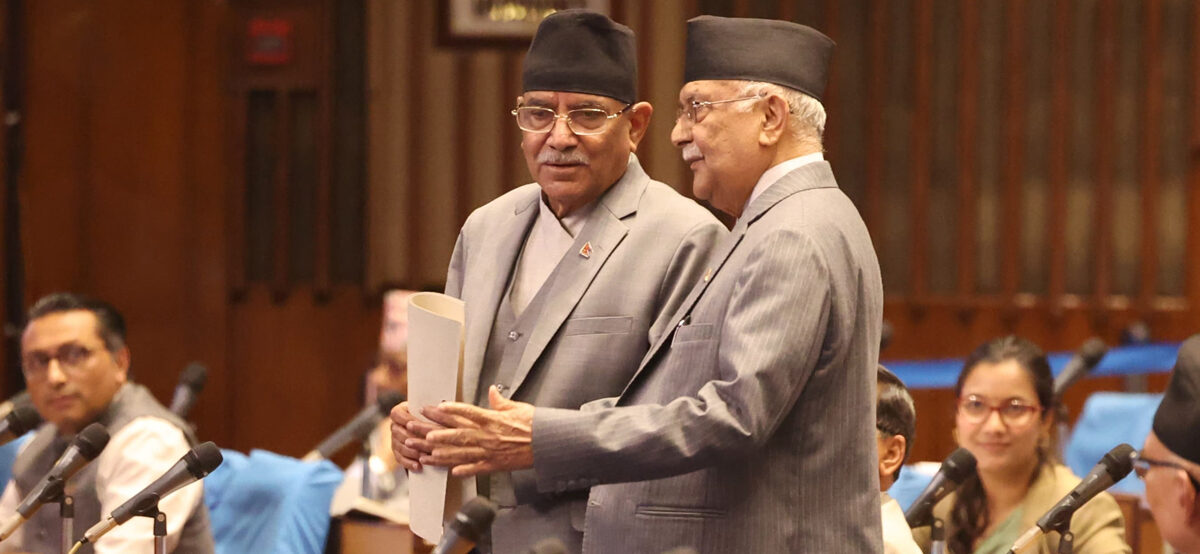
Before the election, NC was the largest party, and despite the setback, it remains the second-largest party in the new parliament, positioning it as the main opposition. In contrast, leaders of other major parties, including CPN-UML Chair KP Sharma Oli and Nepali Communist Party Coordinator Pushpa Kamal Dahal ‘Prachanda,’ have not demonstrated similar ethical accountability despite suffering electoral defeats under their long-standing leadership.
Oli, who is currently managing personal matters following his father’s death, held a party secretariat meeting at his residence to finalize the proportional representation MPs’ lists the day after the election. He has shown little inclination to acknowledge the party’s loss. During a Wednesday meeting with Press Chautari members, Oli warned that the election results could push society toward instability.
Within UML, debates have emerged after the election about responsibility for the defeat. Former Vice Chair Surendra Pandey and Deputy General Secretary Yogesh Bhattarai have publicly suggested that leadership should take responsibility. Meanwhile, Oli-aligned officials, including General Secretary Shankar Pokhrel and Secretary Mahesh Basnet, have resisted such calls.
Thapa’s resignation has added further pressure on Oli’s faction. UML leader Surya Thapa criticized Thapa’s resignation on social media as a crude theatrical display, signaling internal tensions. The post-election polarization highlights that while UML factions may be ready for internal battles, there is little willingness to prepare for leadership renewal.
Similarly, Prachanda, who has led his party for nearly four decades, has shown no readiness to critically review his leadership despite consecutive declines since the 2008 election. After allowing other candidates to secure victories in elections, he portrays himself as triumphant, avoiding discussions about generational leadership transition. Within the Maoist Center, no organized effort has emerged to challenge leadership despite electoral setbacks.
NCP leader Dev Prasad Gurung stated that there is no basis for leadership debates within the party, as the election results do not warrant internal disputes, and the party remains unified. This, like the behavior of UML and Maoist Center leaders, indicates that parties suffering parliamentary defeats are often reluctant to undertake rigorous internal reviews or ethical accountability exercises.






Comment