




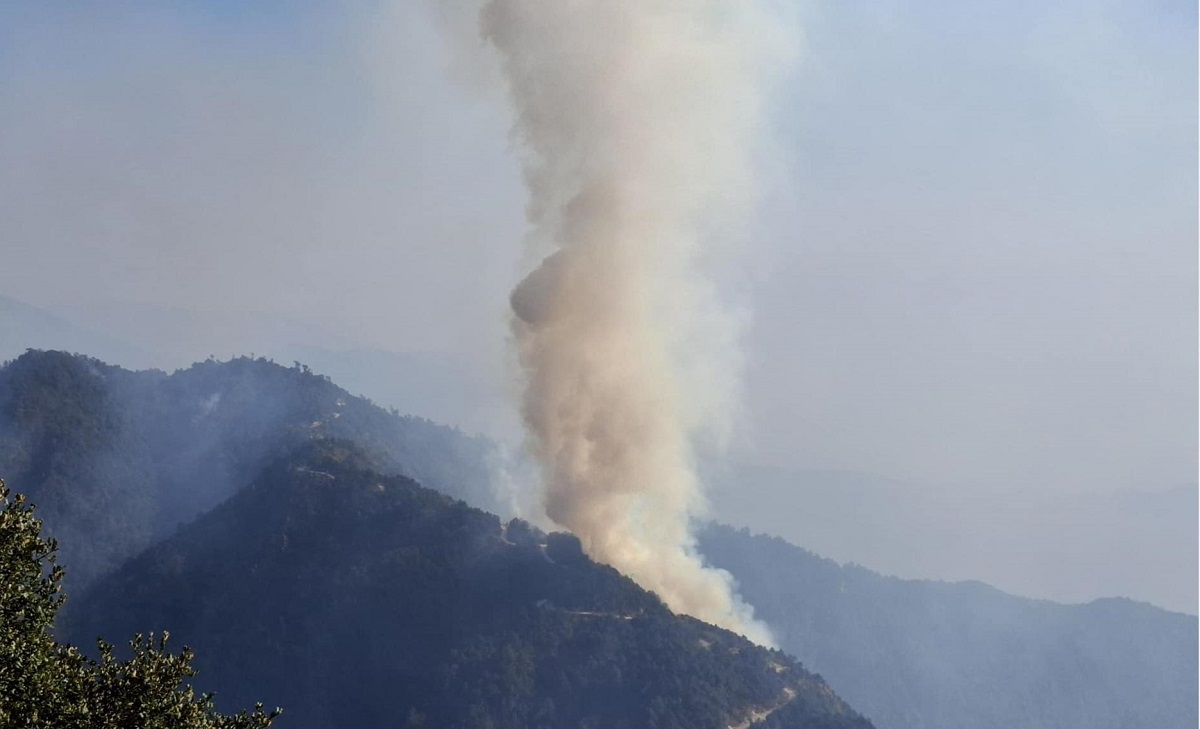
KATHMANDU: Nepal is observing Forest Fire Week from March 15 to 21, during which the Department of Forests and Soil Conservation has released a report highlighting the growing risk of forest fires based on 13 years of satellite data.
The report records 13,622 forest fire incidents across the country from 2013 to 2026, identifying forest fires as a serious environmental challenge. According to the report, forest fires in Nepal are largely seasonal, with around 89 percent occurring between February and April. During this period, prolonged dry spells, low humidity, high temperatures, strong winds, burning of agricultural residue, and increased human activity in forests contribute to heightened fire risks.
April alone accounted for 57.7 percent of total incidents. The year 2017 is recorded as the most severe in terms of forest fires, with notable spikes also in 2022 and 2024. Between April 14, 2025, and March 13, at least 282 forest fire incidents were recorded nationwide, affecting all seven provinces. Sudurpashchim Province was the hardest hit, experiencing roughly one-third (33.3%) of the total incidents. Bagmati Province saw 19.1 percent, Karnali 16.7 percent, Gandaki 9.6 percent, Lumbini 8.9 percent, Koshi 8.2 percent, and Madhesh 4.3 percent of fires.
At the district level, Kanchanpur was the most affected with 41 incidents, followed by Chitwan (27), Kailali (19), and Surkhet (18). Director General of the Department of Forests and Soil Conservation, Dhirendra Kumar Pradhan, emphasized the need for coordinated efforts among federal, provincial, and local agencies, community forest user groups, security forces, private sector, media, and local communities to effectively control the rising risk.
“Forest fire management is not the responsibility of a single agency; it is a shared responsibility of society,” he said, highlighting the importance of prevention, rapid information sharing, timely control, and public awareness.
Threats to biodiversity
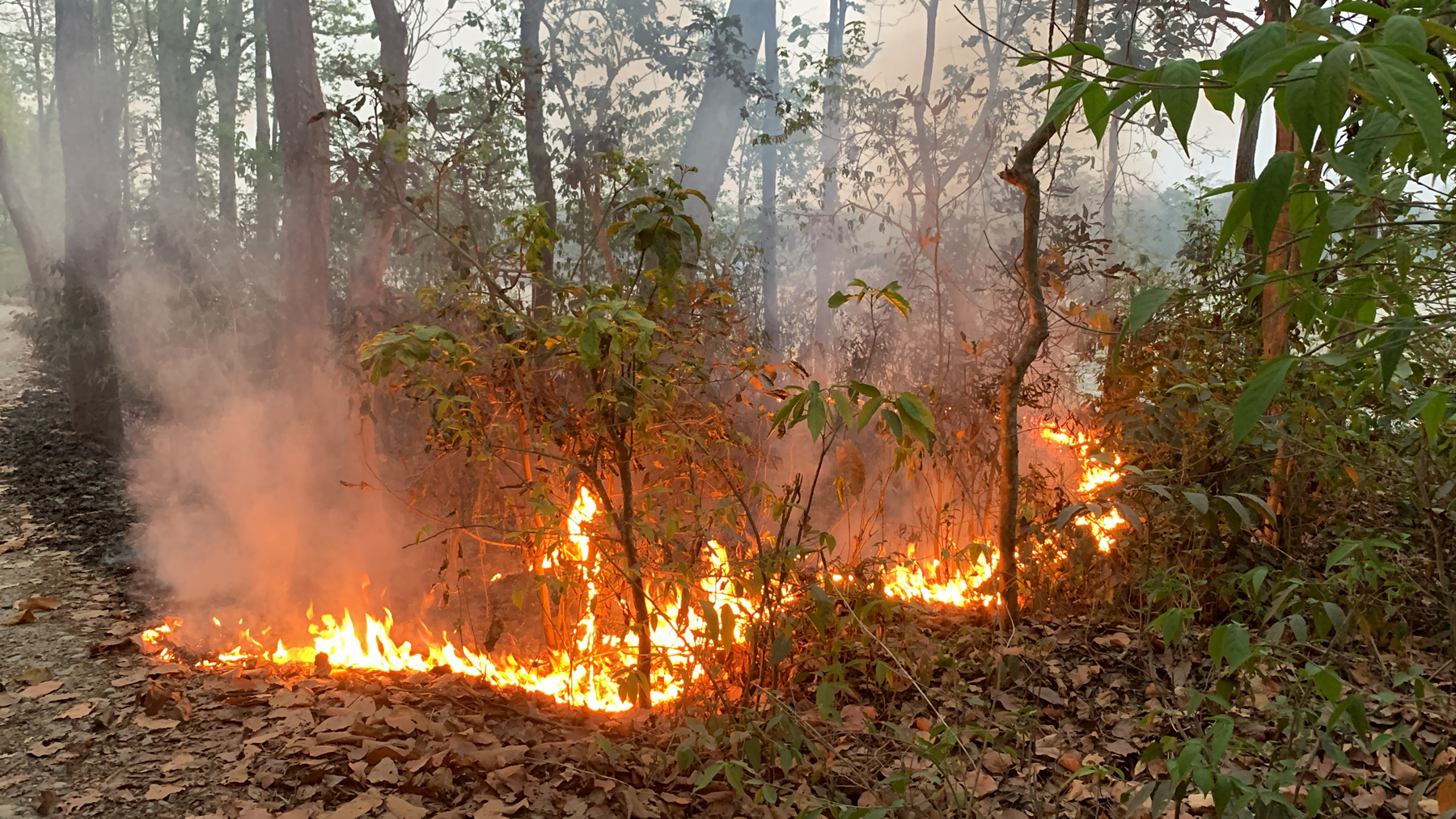
Incidents of forest fire have also increased in protected areas. Between April 14, 2025, and March 13, 82 fires were recorded in these areas, with Chitwan National Park reporting the highest number at 27 incidents, followed by Shuklaphanta National Park (24) and Koshi Tappu Wildlife Reserve (12). Bardia National Park had six, Annapurna Conservation Area five, Banke National Park three, Manaslu Conservation Area three, and Dhorpatan Hunting Reserve two incidents.
Such fires pose serious threats to wildlife habitats, vegetation, and overall ecological systems. Dr. Ghanshyam Gurung, Nepal representative for the Wildlife Fund, stressed that uncontrolled fires in and around protected areas can severely affect wildlife and natural resources, underlining the need for timely management.
“Priority must be given to minimizing human loss during forest fires. Awareness campaigns, expanding fire lines, and local-level training and preparedness are essential. Conserving water sources and ensuring availability of firefighting equipment, along with effective public communication, are critical,” Gurung added.
According to the department, 36, 35, and 50 forest fire incidents were recorded in December, January and February respectively this year. More than 90 percent of fires occur between December and March.
High-risk areas in Tarai-Chure and mid-hills
Spatial analysis shows that the Tarai-Chure region and mid-hill forests are most vulnerable to forest fires. Hotspots include Sudurpashchim’s Tarai-Chure area, Chitwan–Makwanpur forests, Surkhet surroundings, and Bardia–Banke Terai. Kamala Oli Siwakoti of the Chure-Tarai-Madhesh Conservation Development Committee cited accumulated dry fuel, prolonged dry periods, low humidity, and increased human activity as the main causes.
She added that training programs are being conducted in coordination with concerned agencies to help communities understand and implement preventive measures. However, insufficient budget for effective fire control remains a major challenge.
Community preparedness is key
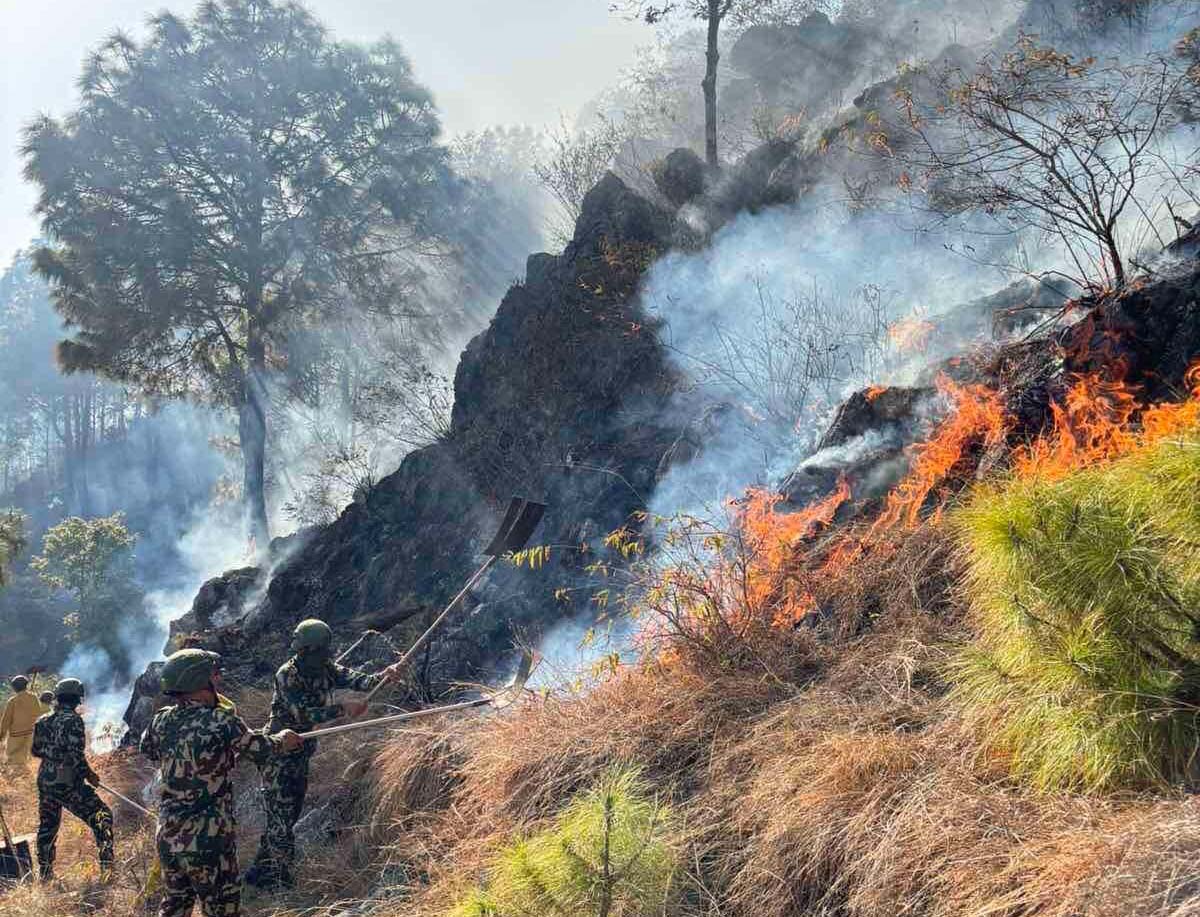
Rakesh Karna, president of the Nepal Forest Technicians Association (NFA), stressed that effective forest management is indispensable to prevent fires. “Where forests are well-managed, fire incidents are fewer, conservation is better, and local employment and income opportunities increase. Yet forest management has not been prioritized by the state,” he said.






Comment