




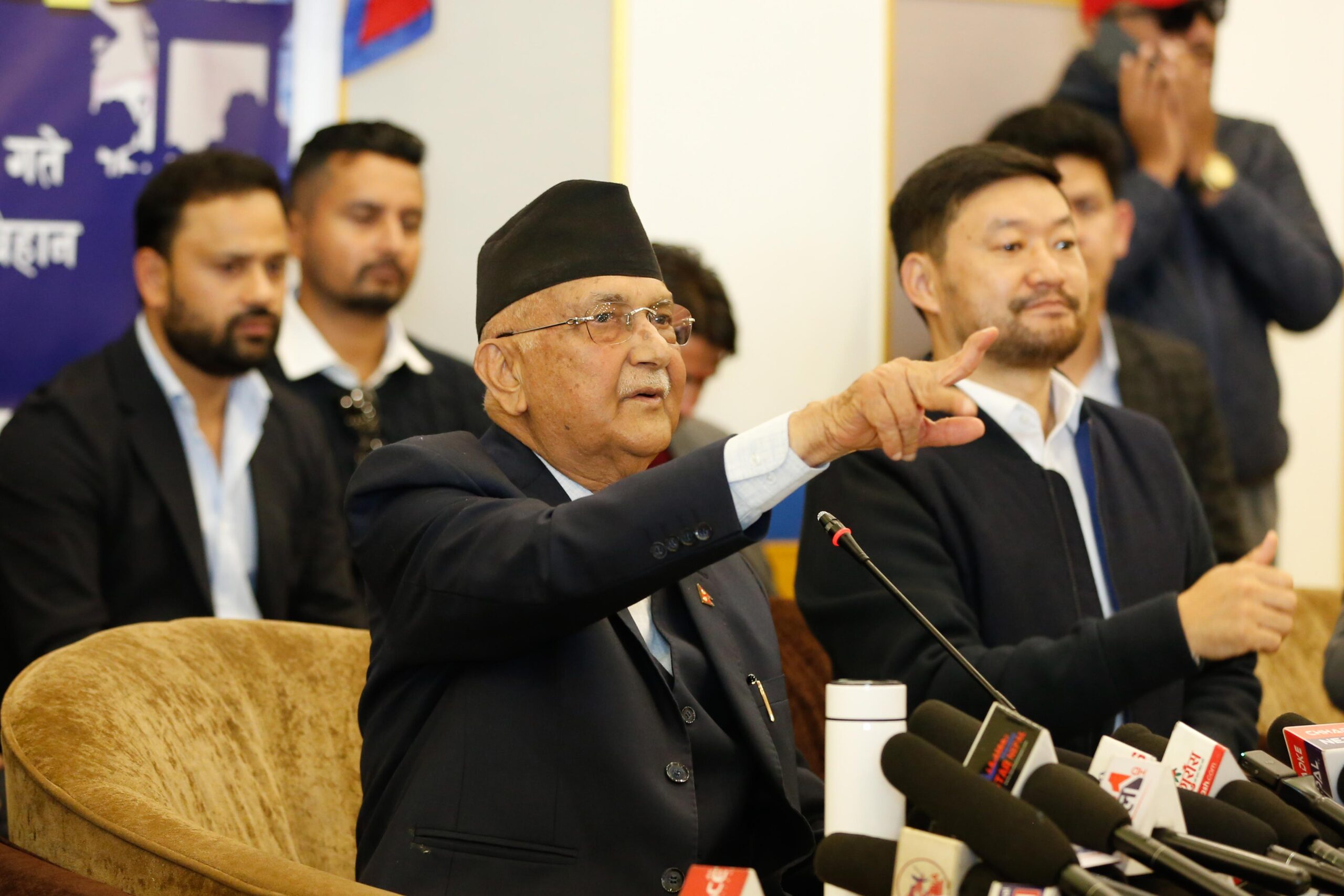
KATHMANDU: As the CPN-UML moves into the decisive phase of candidate selection for the upcoming House of Representatives election, internal criticism of party chair KP Sharma Oli has resurfaced sharply, with many leaders concluding that he has not changed one bit despite political upheavals, electoral setbacks and sustained pressure for reform.
The way candidates were finalized, critics say, reflects the same centralized, loyalty-driven and confrontational leadership style that has long defined Oli’s grip on the party.
At Saturday’s Secretariat meeting, the UML finalized candidates for most of the 165 constituencies while keeping several seats on hold. According to multiple leaders present at the meeting, Oli arrived with a pre-prepared list and treated the gathering largely as a formality.
General Secretary Shankar Pokhrel was asked to read out the names, which were then declared decisions, leaving little room for discussion or dissent. Objections raised by senior leaders were brushed aside, reinforcing the perception that collective decision-making has little space under Oli’s leadership.
The process triggered strong resentment among leaders associated with the Madhav Kumar Nepal and Ishwar Pokhrel factions, many of whom were denied tickets altogether or sidelined through hold decisions. Even leaders who had attempted to rebuild relations with Oli after internal rifts found themselves marginalized. “It feels as if past disagreements are being settled through ticket distribution,” said one senior UML leader, adding that the party is being run “like a private company, not a democratic organization”.
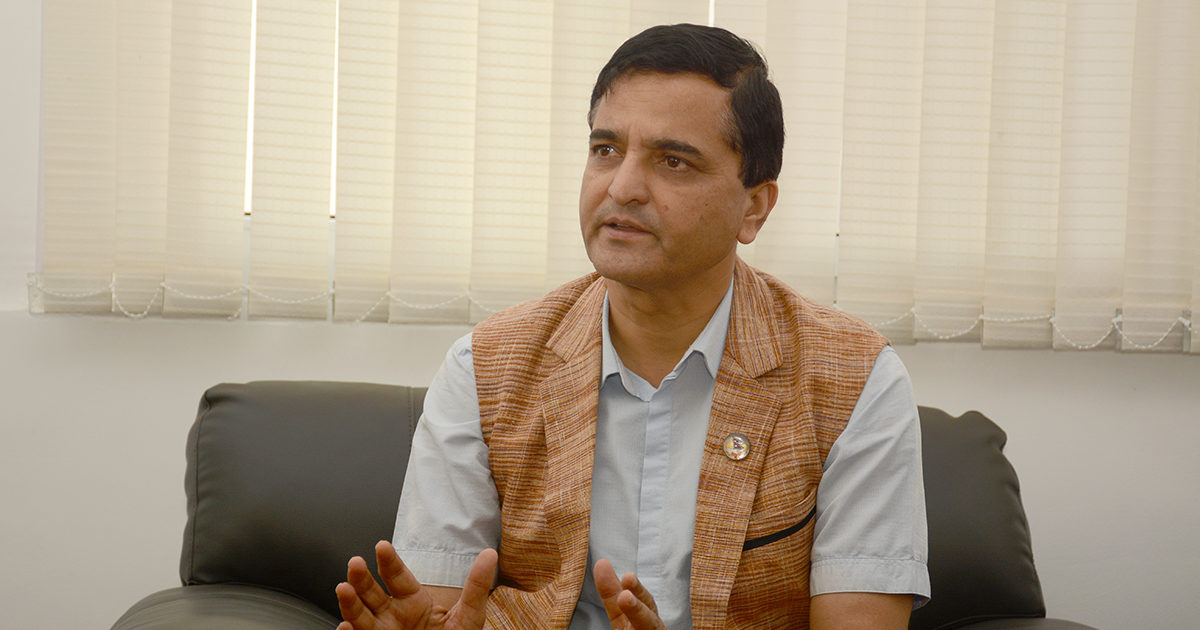
Tensions escalated further during a heated exchange between Oli and Deputy General Secretary Yogesh Bhattarai. When Bhattarai raised concerns about the exclusion of several senior leaders and questioned the criteria used for ticket allocation, Oli reportedly responded bluntly, telling him in the meeting that he was unlikely to win an election. The remark, which several leaders described as humiliating, has become a rallying point for those accusing Oli of fostering a culture of fear and personal insult rather than debate and consensus.
Discontent has also spilled onto social media, with leaders who were denied tickets or placed on hold openly expressing frustration. Former secretary Gokul Baskota questioned the logic behind ticket distribution, while others hinted at political vendetta rather than electoral strategy. The denial of tickets to experienced leaders such as Surendra Pandey, Raghuji Pant, Binda Pandey and others has fueled concerns that loyalty to Oli, rather than organizational strength or public appeal, remains the decisive factor.
Critics argue that Oli’s approach shows little learning from recent political developments. The Gen-Z movement, which shook the political establishment, and the subsequent collapse of the Oli-led government were widely interpreted as signals that the public was demanding accountability, humility and change in political behavior. However, UML leaders say those messages appear to have had little impact on Oli. “There was an expectation that after everything the country and the party went through, he would introspect. Instead, he has doubled down on the same methods,” a Secretariat member said.
Political analysts echo this assessment. Analyst Hari Rokka notes that Oli’s leadership style remains confrontational and centralized, ill-suited to a political environment that is increasingly intolerant of authoritarian tendencies.
“Oli still believes control and discipline alone can secure victory. He has not adapted to the post–Gen-Z political reality, where transparency, inclusion and internal democracy matter more than ever,” Rokka said. He warned that such an approach could weaken the UML’s organizational base and alienate undecided voters.
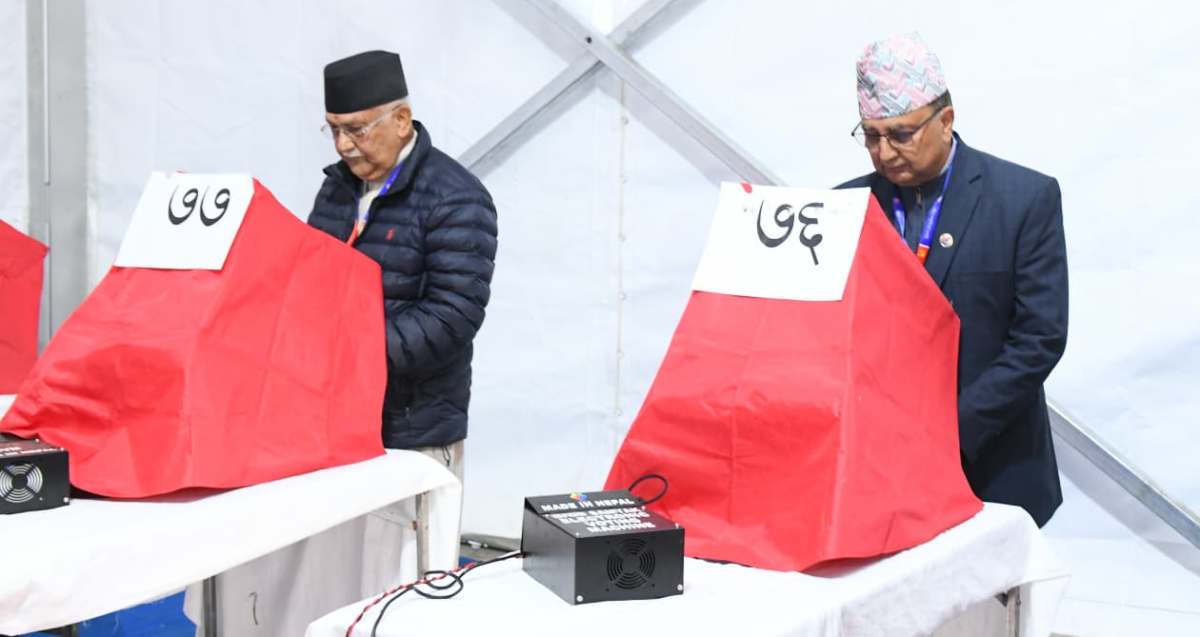
Within the party, there is also concern that sidelining prominent leaders may hurt UML’s electoral prospects in key constituencies. Several of those denied tickets have previously won difficult seats or maintained strong grassroots networks. Replacing them with less-tested candidates, critics argue, risks internal sabotage, low morale among cadres and reduced mobilization during the campaign.
Yet, Oli’s supporters defend his decisions as pragmatic, insisting that the party must prioritize winnability over internal appeasement. They argue that strong leadership and discipline are essential to counter what they describe as external conspiracies and internal disunity. “The chair is taking tough decisions because the stakes are high,” said one leader close to Oli. “Not everyone can be accommodated.”
Despite this defense, the dominant mood among dissenting leaders is one of disappointment rather than surprise. Many say the latest episode confirms long-held beliefs that Oli is unwilling or unable to change. While an immediate revolt appears unlikely ahead of the March 5 election, insiders predict that tensions will intensify once the polls are over, particularly if results fall short of expectations.
For now, the UML moves forward into the election with visible cracks beneath the surface. Whether Oli’s unchanged leadership style delivers electoral success or pushes the party further backwards remains an open question, but within his own ranks, the verdict from critics is already clear: the chair may have survived political storms, but he has emerged from them fundamentally the same.




Comment