




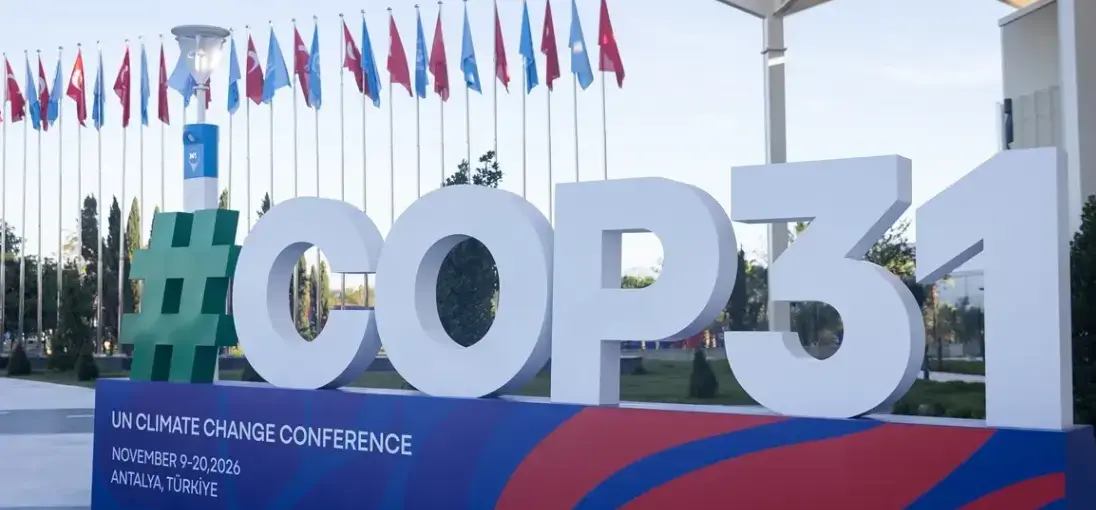
KATHMANDU: Nepal is preparing to put forward a three-point proposal in the draft decision of the 31st Conference of the Parties (COP-31), seeking to launch a dedicated programme on mountain regions and climate change from 2027, while clearly defining its scope, timeline and implementation mechanisms.
The draft decision, developed in consultation with the COP-31 Presidency, proposes establishing a separate mountain climate programme to address the growing climate-related risks facing mountain regions and communities dependent on glaciers.
Nepal has welcomed the proposed initiative but stressed the need for additional provisions to address uncertainties surrounding its implementation. The country plans to seek clarification on the programme’s starting timeline, scope and implementation arrangements, as well as the development of mountain-specific indicators for climate finance and adaptation.
According to Dr. Maheshwor Dhakal, Joint Secretary at the Ministry of Agriculture, Forest and Environment and Head of its Climate Change Management Division, Nepal will present a three-point proposal to strengthen these aspects and ensure the programme becomes operational from 2027.
Paragraph 31 of the draft decision proposes establishing a dedicated work programme on mountain regions and climate change. Its objectives include strengthening scientific understanding, advancing climate adaptation, building resilience and supporting communities living in mountain regions and areas dependent on glaciers.
The draft further proposes including mountain regions and climate change as a regular agenda item at the Conference of the Parties (COP), alongside organizing a high-level dialogue on the issue at COP-32.
Similarly, Paragraph 32 proposes holding discussions on mountain-related climate challenges during the 66th and 68th sessions of the subsidiary bodies, with provisions for continued engagement. It also encourages regular high-level dialogues to ensure that the priorities of mountain countries, Indigenous Peoples and local communities are reflected in global climate action.
The proposed provisions are being viewed as an important step towards institutionalizing mountain-related concerns within the United Nations climate negotiation process. However, Nepal’s position is that the draft has yet to incorporate all the issues jointly raised by Nepal and Bhutan on October 29.
Welcoming the progress, Abhishek Shrestha, advisor to Minister for Agriculture, Forest and Environment Geeta Chaudhary, said Nepal would continue its efforts to ensure that all the proposed issues are addressed in the final decision.
He said discussions were ongoing with concerned countries and negotiating groups, expressing optimism that Nepal’s outstanding concerns would be incorporated into the draft.
On October 29, Nepal and Bhutan jointly proposed placing the issue of limiting temperature rise in the Himalayan region to 1.5 degrees Celsius under a separate agenda at COP-31. The two countries sought to make the growing climate risks confronting the Himalayan region a central issue in international climate negotiations.
On behalf of both countries, Minister Chaudhary submitted the proposal under Rule 12 of the conference’s draft rules of procedure, calling for greater international attention to the vulnerability of the Himalayan ecosystem and the communities that depend on it.





Comment