




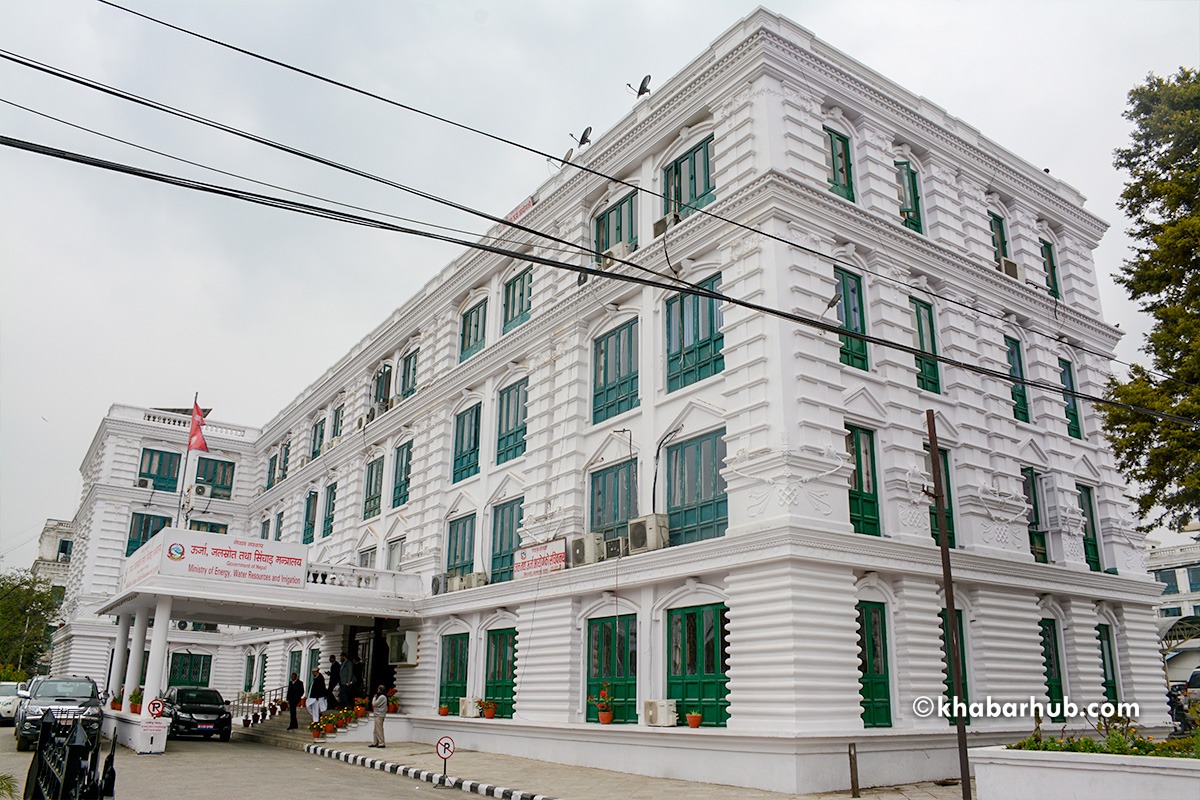
KATHMANDU: The government has introduced a strategy to phase out subsidies on LPG by fiscal year 2092/93 BS and replace them with subsidies for electric stoves.
In view of the rising cost of LPG imports, the government has made public the Energy Consumption Growth and Export Strategy, 2083. The strategy, issued by the Ministry of Energy, Water Resources and Irrigation, aims to gradually reduce the use of LPG in the country. To implement this plan, consumers will be provided subsidies on electric stoves while promoting clean energy consumption.
According to the Customs Department, LPG imports worth Rs 41.65 billion were recorded in the first nine months of the current fiscal year. During this period, 4.1 million metric tons of cooking gas were imported.
The expenditure on LPG reached an alarming Rs 62.58 billion in fiscal year 2081/82, when imports totaled 5.5 million metric tons. In fiscal year 2080/81, the country spent Rs 55 billion on LPG imports.
According to the Nepal Oil Corporation, the government authority responsible for importing, supplying, and regulating fuel, around 48,000 metric tons of cooking gas are imported every month in the current fiscal year. NOC has been incurring a loss of Rs 331.25 per cylinder, while LPG is currently sold at Rs 2,160 per cylinder.
At a time when a significant portion of remittance sent by Nepali workers employed abroad is spent on fuel imports, the situation has raised serious economic concerns.
To address this issue, the Ministry has introduced the strategy. The Ministry of Industry has been designated as the lead implementing agency, while the Ministry of Finance and the Ministry of Energy will coordinate to achieve the goals set for fiscal year 2092/93.
In this regard, the Nepal Electricity Authority (NEA) has already launched a campaign to promote the use of electric stoves for cooking. Local governments have also joined the initiative. The strategy highlights that promoting electric cooking is not only beneficial for public health but also economically advantageous for the country.
The NEA is strengthening transmission infrastructure, modernizing transformers, and upgrading distribution networks to ensure a reliable electricity supply and support wider adoption of electric cooking.
Minister for Energy, Water Resources and Irrigation Biraj Bhakta Shrestha has directed concerned agencies to make the strategy more objective and scientifically grounded to ensure effective implementation. According to the Ministry of Energy, Nepal’s total installed hydropower capacity has reached 4,296 megawatts and is expected to reach 4,500 megawatts by the end of the current fiscal year. Per capita electricity consumption has reached 450 kilowatt-hours.
At a time when Nepal is exporting around 2,918 GWh of electricity, the government is also focusing on increasing domestic consumption through electric cooking.
There is also a policy to promote electric vehicles and establish charging stations for public transport across the country. The Nepal Electricity Authority and the private sector will collaborate to expand this infrastructure nationwide.
The policy and supporting infrastructure are expected to significantly expand the use of electric vehicles in the country.
A further policy has been introduced to replace coal-fired boilers with electric alternatives. The government also plans to modernize the agricultural sector by offering discounted electricity tariffs to farmers and agro-entrepreneurs, a measure expected to encourage greater productivity and energy efficiency.



Comment